By James Damiano ’11, Arts & Entertainment Editor
The spotlight of Broadway is now focused on Julie Taymor’s new rock musical, “Spiderman: Turn Off the Dark.” Based on the original Marvel comic, “Spiderman” incorporates both music and lyrics composed by U2 members Bono and the Edge. Notably, the show holds the record for the most costly Broadway production in history, with expenses adding to a whopping $65 million. One would expect such a musical to be awe-inspiring and groundbreaking, yet critics seem to think otherwise.
After all the hype, “Spiderman” was poorly received by theater critics, to say the least. While the official opening date is scheduled for March 15, the Broadway show has had a lengthy preview period. Critics at major news outlets, despite procedure being to wait until the general opening of shows to begin reviews, wrote up their thoughts about the preview performances after the opening was delayed yet again.
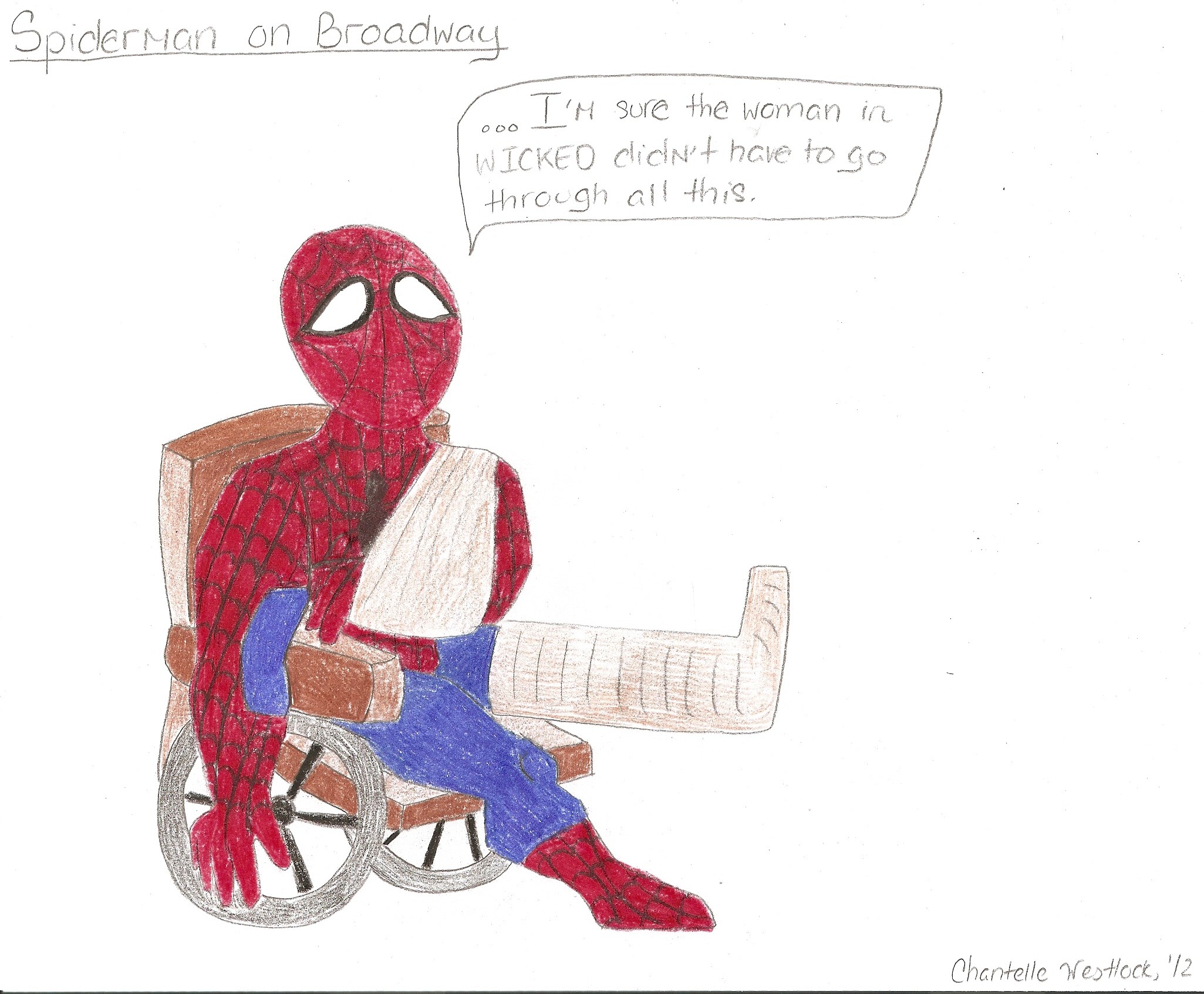
Critics generally agreed that the production wasted or misused its budget money. Ben Brantley of The New York Times wrote that the show “ranked among [Brodway’s] worst.” Brantley asking how “$65 million could possibly look so cheap on stage.” The highly physical stunts intended to astound the audience appeared forced and artificial in his opinion, noting that in several scenes, the harnesses were all too obvious. To make matters worse, the complexity of the stunts has led to numerous accidents and technical difficulties, sometimes interrupting preview performances or causing delays mid-performance.
Other sources of failure include the overall style of the show. Spiderman ambitiously tries to fuse elements of rock and roll, opera, and circus into one production. Combined with the convoluted plot and technicality of the stunts, these elements can disorient and overwhelm the viewer. The Washington Post noted this point, and reflected that the combination of so many diverse styles made the production seem pretentious.
The failure of “Spiderman” carries a significant message about arts and entertainment as a whole. First, it raises the question, “To what extent should actors or performers risk their health and safety for the sake of entertainment?” More importantly perhaps, the failure of “Spiderman” forces one to ask, “Is a massive budget truly necessary to stimulate the interest of the public or to create high quality art?” While most actors have decided to continue with the show, so far it seems that an unwieldy budget such as this one cannot always cause positive returns on the original investment.
Despite the negative reviews, the production could still be worth seeing, depending on the viewer’s preference for theater. It may not be close to the most probing or reflective show, nor perhaps as feel-good and uplifting as others, but as a spectacle in itself, it may be worth the trip. Just the stunts in themselves, cheesy harnesses aside, may be a draw (besides the morbid bonus of bragging to one of your friends if there is the added benefit of seeing a stunt go awry.) Jaxon Gruber ’11 saw “Spiderman” earlier this year when it was still in its original preview performances, and overall he says he did not enjoy the production. However he admits that there may be something redeeming in the stunts, which were in his opinion “very impressive.”
Leave a Reply
You must be logged in to post a comment.