By Shreya Srivastava ’13, Staff Writer
Facebook, Twitter, texting, and video chatting are all well known for their abilities to hook teenagers into the cyber world. Even for someone like me, a person rather hesitant to catch on to the Facebook movement, these communiqué methods have become such an integral part of life that I find myself checking Facebook as soon as I turn on my computer or constantly glancing at my phone in hopes that I’ve received a new message.
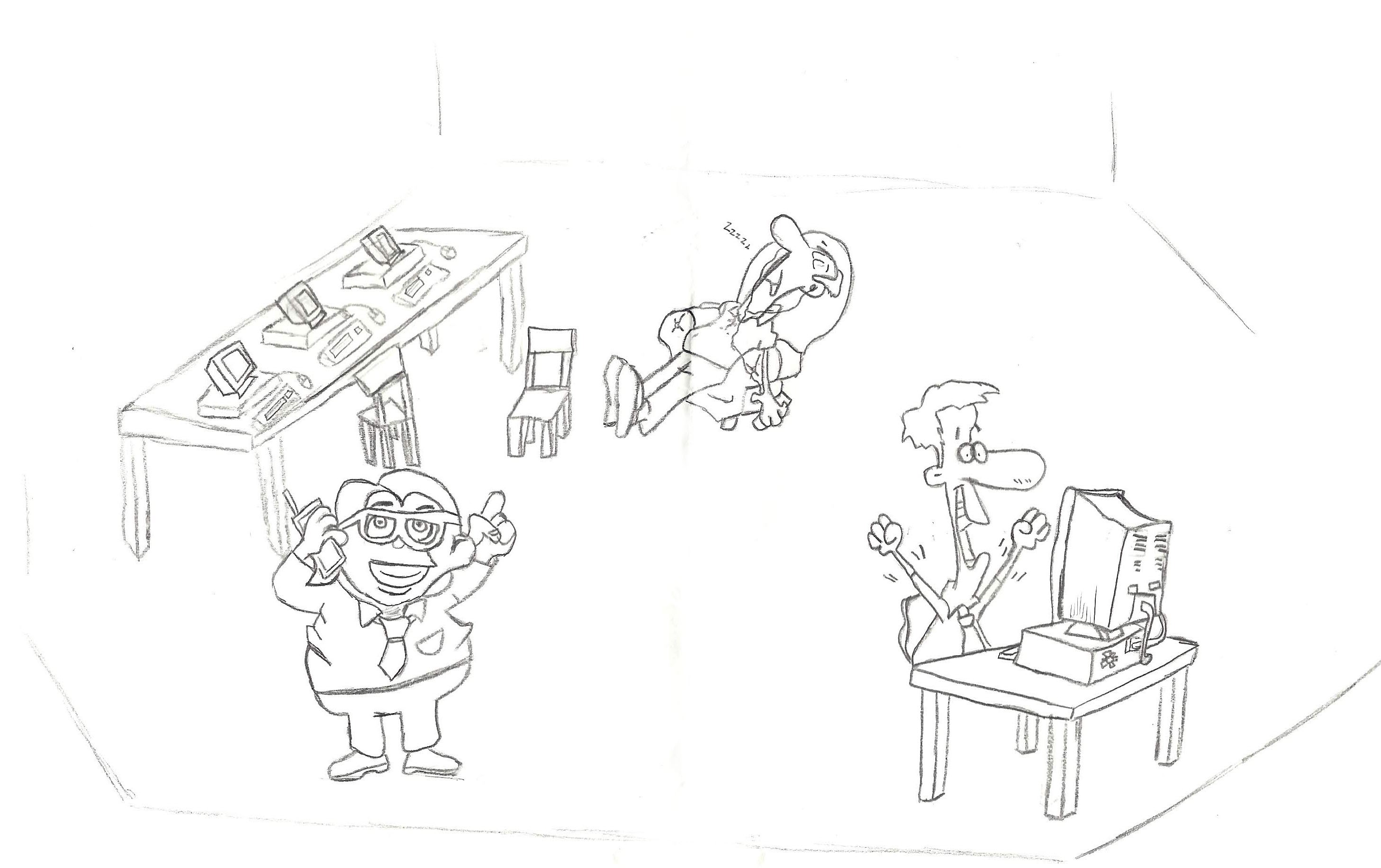
Aside from allowing us to keep in touch with our friends, another appeal of social technology is its knack for distracting us from doing our work. Alyssa McPherson ’13 notes, “If you don’t know how to manage your time well, Facebook can take up much of it.” Procrastination is inevitable for even the best of students, and although popular belief is that Facebook and Twitter have furthered the time wasting epidemic, it has really only become a part of it. Time spent talking on the phone or simply daydreaming a decade ago has been replaced by an interactive world that is addicting, yes, but no more minute-eating or distracting than other forms of procrastination.
Few will agree with what I stipulated in the preceeding paragraph, and most insist that social technology is taking over our lives, but many have stayed above the “cyber influence”. Halley Young ’13, claims she hasn’t “used Facebook since before ninth grade,” and agrees with Trishna Kumar ’12, that “living without social technology for a day wouldn’t be a problem at all.”
Carley Stein ’13 insists that “Facebook or my phone has never absolutely owned my life.” She believes that people who let technology keep them from handing in papers or studying for tests have more of a self control problem than anything. “Yes, tech is a large part of how I go about my day, but I think most N.A. students have the discipline to turn devices off when need be.”
Though there are many forms of online communication, it is no doubt that Facebook is by far the most popular, dominating the social networking sphere much to the chagrin of sites like Twitter. Why Facebook you ask? Perhaps it is because of the easy navigation around the blue bordered website or the riveting story behind the creation of the phenomenal obsession, as seen in The Social Network. Nathaniel Okun ’13 suggests, “The functions of Facebook are more useful than those of Twitter. The reason Twitter isn’t as successful is because no one really cares that you’re about to go to the bathroom or any other useless and irrelevant news.” Facebook provides an all inclusive experience, and although some enjoy it, Twitter loses much of its appeal in its simplicity.
Whether it’s Facebook, Twitter, or even Apple’s new “FaceTime” video chat, it is very easy to get caught up in the online world of communication. But as experts croon over the negative effects of such a tech-obsessed world adolescents live in, many N.A. students provide examples of the importance of discipline and self control when it comes to the use of social technology.
Leave a Reply
You must be logged in to post a comment.