By Zoe Huber-Weiss ’13, Staff Writer
Although unbeknownst to most of Newark Academy, and most of the country, National Banned Books Week occurred recently. From September 24th to October 1st, books that have been banned in the United States were recognized and celebrated. While this celebration puts a lighter note on the issue, book banning is a serious problem.
All across America, schools prohibit students from reading certain books because of their content. The criteria for material that falls under the knife can be puritanical; at one point, a school in Kansas banned the “Where’s Waldo” series because when Waldo visits France, a woman on the beach is topless. She is, of course, only one in a million figures on that one page, and that one page was only one in a whole book of tiny drawings, and there are seven books. But the whole series was banned based on that one small figure. Another popular series that has been banned is J.K. Rowling’s “Harry Potter” series because of concerns that it exposes students to the occult. Some banned books fall at the complete opposite side of the spectrum, as well; a school in California banned the Bible because it expressed a religious viewpoint.
While these examples may seem ridiculous in their absurdity, the banning of texts should be taken seriously. According to the American Library Association’s website, the most frequently banned books include F. Scott Fitzgerald’s “The Great Gatsby,” J.D. Salinger’s “The Catcher in the Rye,” and Harper Lee’s “To Kill A Mockingbird.” Newark Academy students read all of these books during their time at the school. These books are known for challenging social misconceptions, for encouraging free thought among students. The banning of these books in schools all across the country showcases is a very real problem.
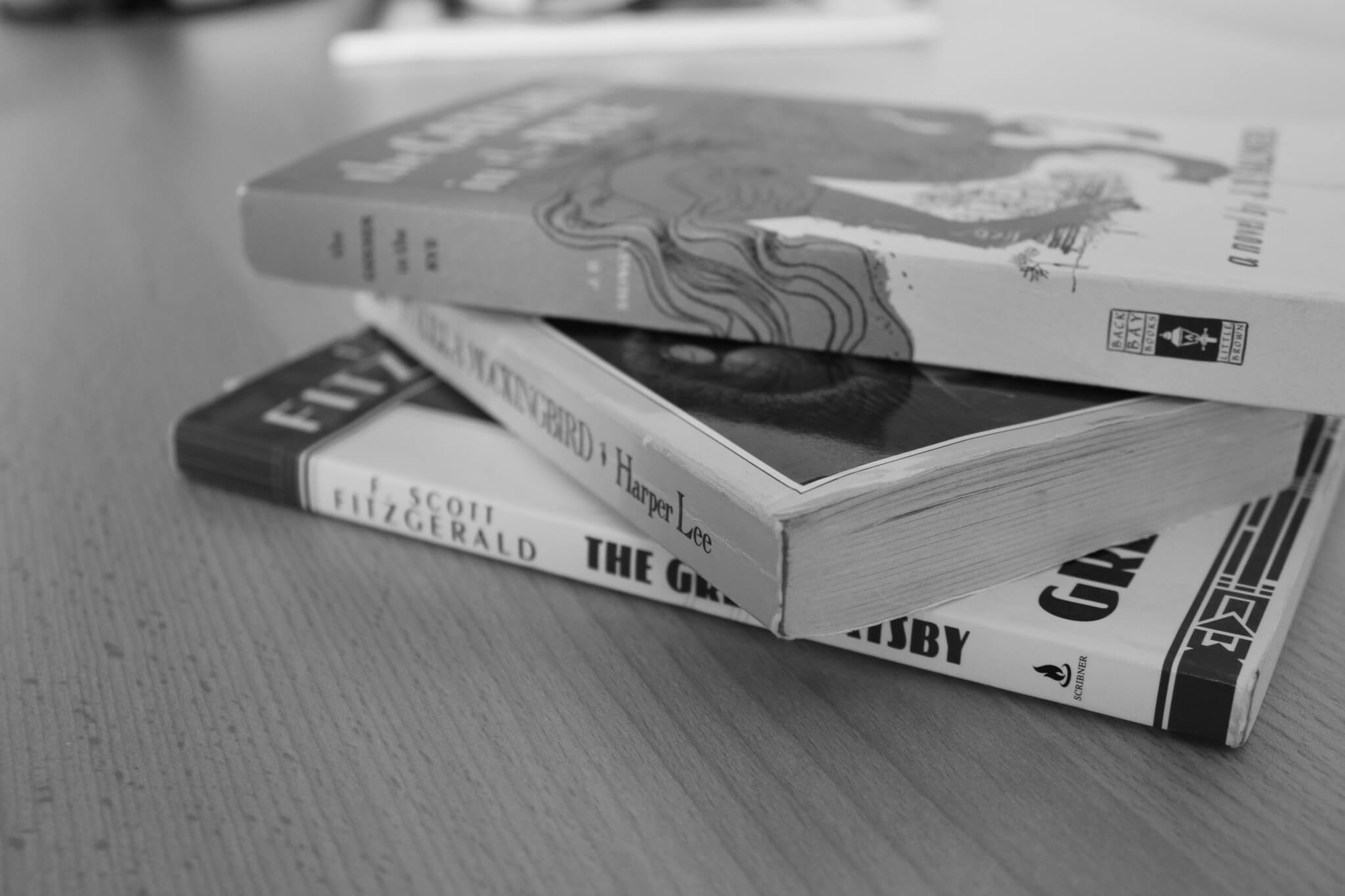
The controversy over book banning stems from arguments of censorship and the right to free speech. The banning of books like “Where’s Waldo” is simply ridiculous, but the banning of books that are meant to challenge and push the reader is a calamity. Every student has a right to explore different ideas and ways of thinking, as a method of learning. National Banned Books Week may seem slightly laughable on the outside, but in reality, it represents a dramatic blow to the quality of education in America.
Leave a Reply
You must be logged in to post a comment.