By Zoe Huber-Weiss ’13, Staff Writer
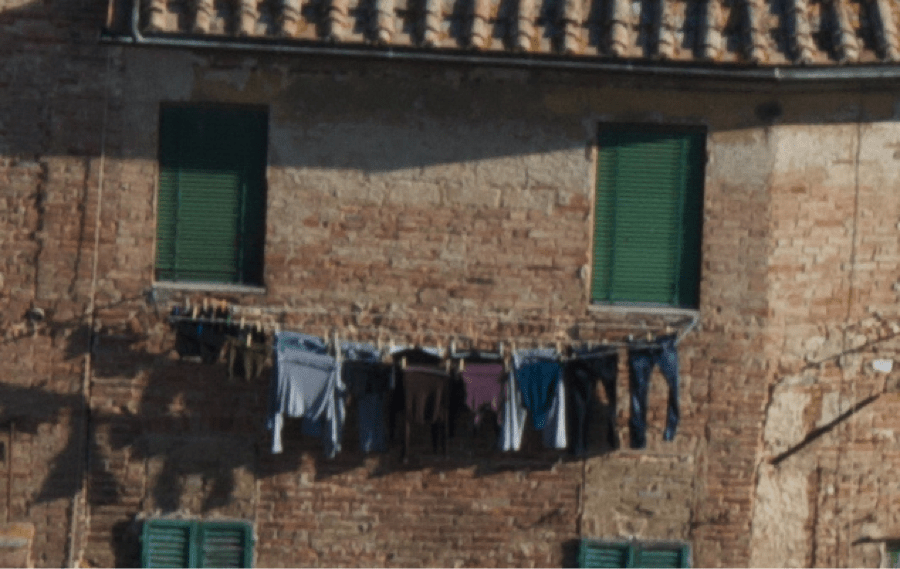
This Thanksgiving, I had the unique opportunity to visit Italy. While the beautiful landscapes, astounding structures, and funny accents were all pleasant surprises, what really shocked me was the way of life in Siena. Walking through the cobblestone streets, it is easy to imagine yourself in the eleventh century: laundry swings in the breeze and worn statues of the Madonna grace the small stone buildings. The families there have no dishwashers, no driers, and no washing machines. Often, the only form of heating is firewood, and if a family has a car at all, it is sure to be miniscule and old.
For the first portion of my visit to Italy, I felt pity for the Sienese people and secure in the knowledge of the technological superiority of my own country. However, as my time there went on, Italy’s pristine beauty and its bygone ways began to connect themselves in my mind. Without modern appliances, Italy’s carbon footprint is relatively tiny. According to NationMaster.com, the United States has only four times as many people as Italy, but more than twelve times the carbon emissions. In addition, although Italians live on a sumptuous diet of pasta, cheese, and meat, their habit of walking everywhere results in a healthier population. Italy has 63% fewer heart-related deaths per 100,000 people than the United States does. The Italian style of living may seem simplistic to us, but it sustains the health of both the people and the environment.
I am not suggesting that we get rid of our cars and driers. In the fast-paced American life, these appliances are gifts from the heavens. However, relying less heavily on them would be beneficial both to us and to the world as a whole. Even here at school, we could take a page out of the Italian book by reverting sometimes to the good old days.
Leave a Reply
You must be logged in to post a comment.