By Sydney Sheehan ’14, Staff Writer
Recently, a new exhibition opened up in the Metropolitan Museum of Art, one that everyone should have the chance to see. Regarding Warhol, Sixty Artists, Fifty Years, began on September 18th, making it one of the newest exhibits in the museum. It showcases the work of both Andy Warhol, the famed and controversial artist, as well as later artists who have been influenced by his ideas and techniques. This exhibition is broken up into five components,
titled: Daily News: From Banality to Disaster, Portraiture: Celebrity and Power, Queer Studies: Shifting Identities, Consuming Images: Appropriation, Abstraction, and Seriality, and No Boundaries: Business, Collaboration and Spectacle. Each of these sections regard different areas of study in which Warhol and artists alike have created beautiful, thought provoking pieces. Works from Jeff Koons, Cindy Sherman, Takashi Murakami, Ai Weiwei, and other similar artists can be viewed as well.
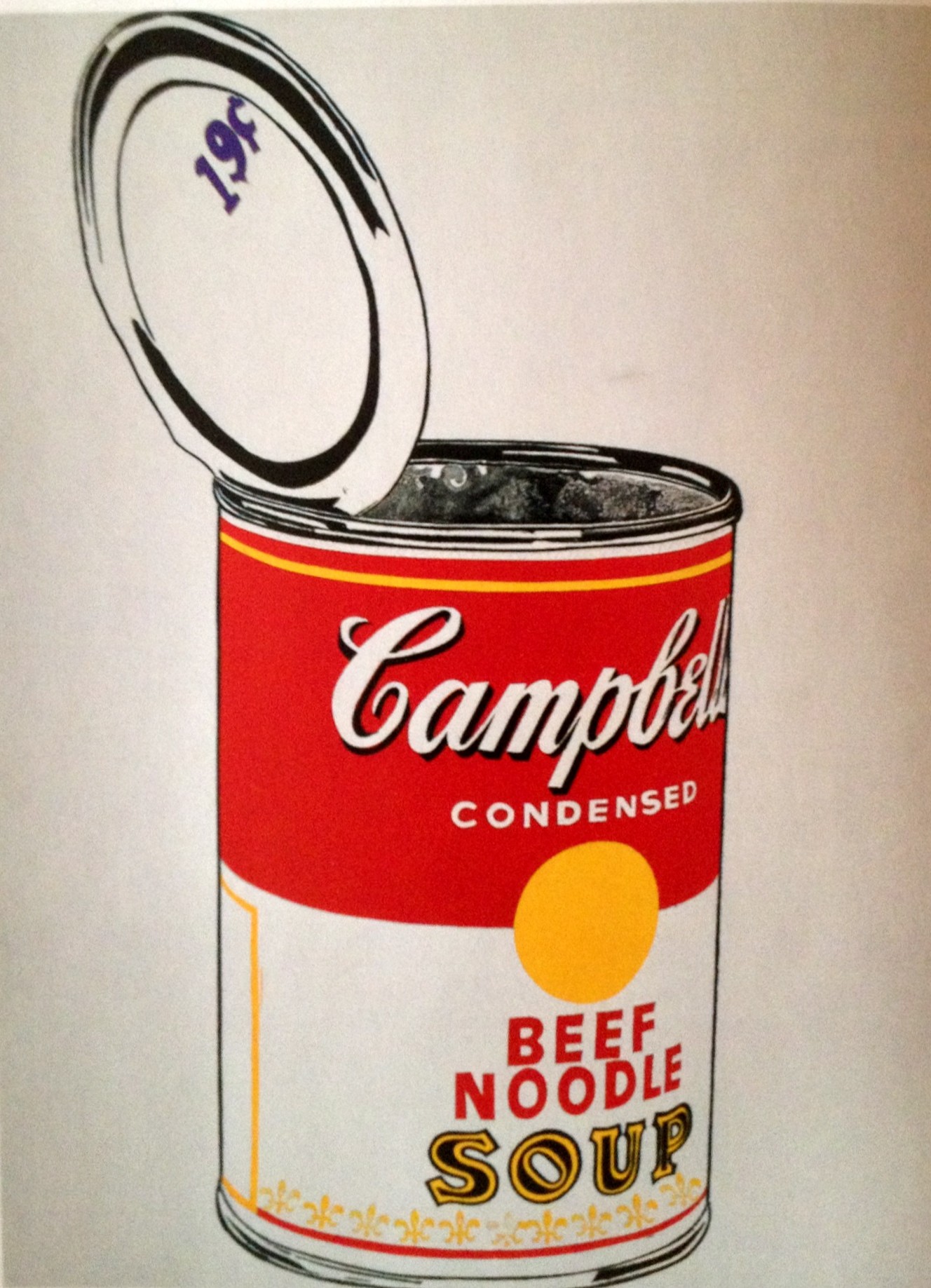
Stepping into the exhibit, the first thing a viewer sees is one of Andy Warhol’s Self Portraits. Two giant paintings, vivid in color and dynamic in sight, these Self Portraits begin the visual journey into the world of Warhol. Whether it be a giant painting of a Campbell’s soup can or a chainsaw made from plastic Chanel bags, this exhibit can appeal to every kind of art appreciator. Walking through this show was like walking through the minds of these different artists. From color to technique, each piece of art is different in nature but, at the same time, the collection is cohesive. There is no sensation similar to standing in front of a piece of art that has inspired so many.
The exhibit is based on the works of Andy Warhol, but its originality lies in its comparison of his work to later artists that he inspired. Warhol created art to explore the idea of consumerism and society’s obsession with tabloids and advertisements. His work has led countless artists to make art that questions and changes people’s perspectives.
Today, Andy Warhol’s paintings are intimately cherished not only for their aesthetic purposes, but also for their message. Warhol’s paintings are valuable because they exemplify a revolution in art: a reformation of thought and inquiry. “In my opinion, He is the father of digital art,” said Mrs. Dixler, Digital Photography teacher at Newark Academy, when I asked about his impact on artists of our generation. “He was responsible for the elevation of pop culture in America.”
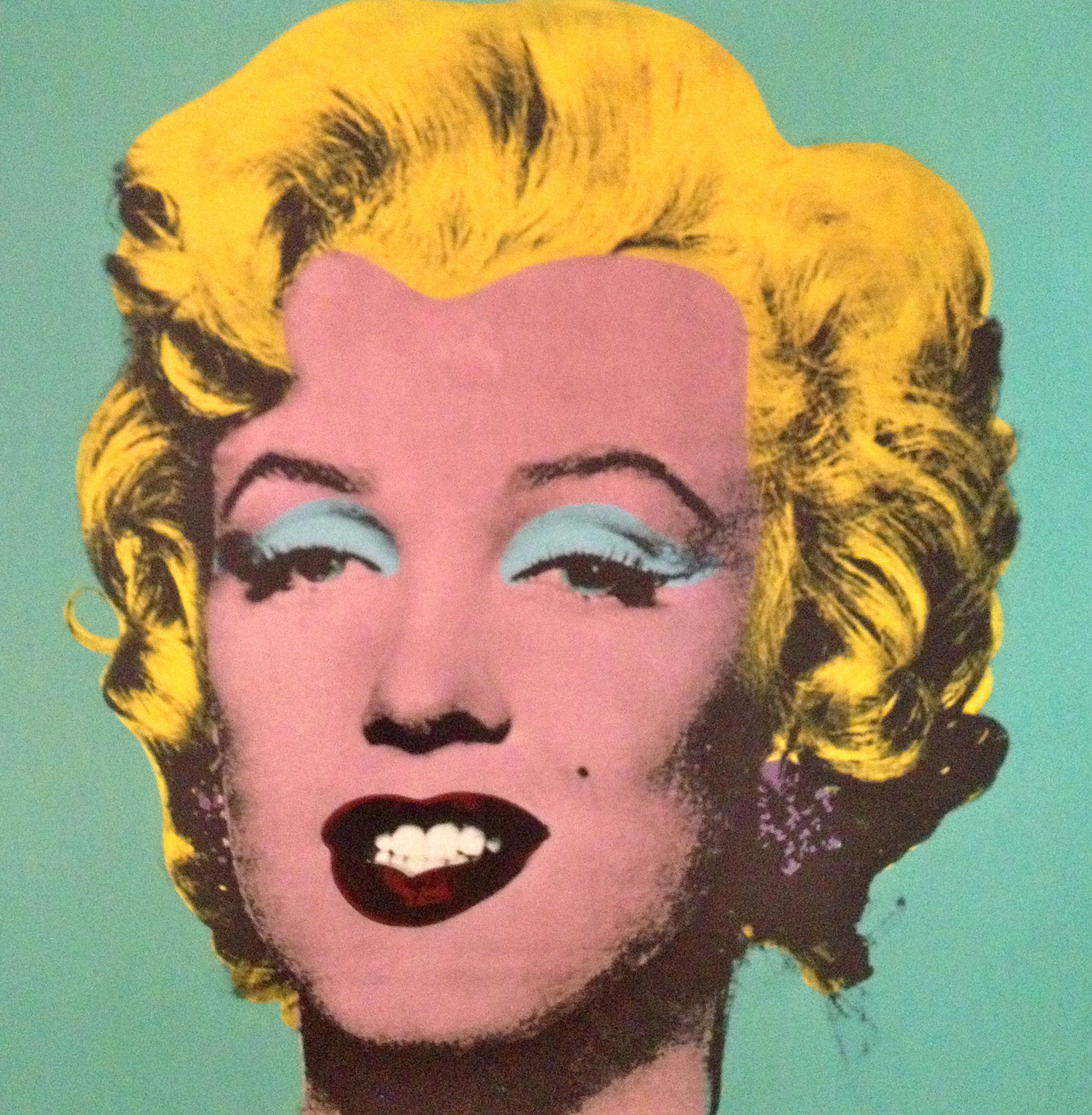
This exhibition really demonstrates the full extent of Warhol’s immense influence over modern art and gives the population a chance to see something that has changed the way many of us view the world and art today. This sensational display of art is open until December 31, 2012, giving the Newark Academy community plenty of time to check it out.
Leave a Reply
You must be logged in to post a comment.