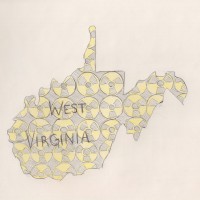

Photo Courtesy: Maia Yoshida ’14
Photo Courtesy: Maia Yoshida ’14
By Megha Poddar ’15, News Editor
On January 9th, a steel storage tank near Charleston, West Virginia containing crude 4-methylcyclohexane methanol (MCHM) began leaking through a one-inch hole. The chemical was soon seeping into the Elk River, a mile and a half upstream of a water treatment center. Since then, up to 300,000 West Virginia residents have been told not to drink or use tap water. However, hundreds of people in the area have sought medical treatment since the spill. The chemical spill not only calls into question the United States government’s regulations of chemicals, but it also prompts meaningful discussions regarding the short- and long-term effects of such spills on our environment.
With more than 84,000 industrial compounds in the United States, the current U.S. law on chemical safety, which is 37 years old, is hardly effective and is riddled with exceptions to benefit industry. In fact, Matt Thekkethala’15, Co-President of the Green Committee, explained, “What concerned me the most was that the tanks that held the chemical MCHM prior to the leak were not being regularly inspected by the government.” He added that, like many other chemicals being circulated around the country, very little information is known about MCHM or its health effects, which makes the situation “really quite scary” for residents of West Virginia. Mr. Erlandson, an IB Environmental Science teacher, believes, “More must be done to regulate these kinds of chemicals, regardless of what industrial companies want.” The Safe Chemicals Act, for instance, would require manufacturers to prove that chemicals are safe before they can be sold. Overall, future regulation could prevent disasters similar to that which occurred in West Virginia.
The chemical spill has also had harmful effects on the local environment. While the MCHM chemical is not lethal for humans, its effects on the inhabitants of the Elk River ecosystem are dangerous. For example, the Diamond-Darter fish, a native of the river, is now an endangered species as a direct result of the spill. In addition to its disruption of plants and animals in the area, the spill can also have adverse effects on humans who consume water and fish from the river. Nina Pusic ’15, Co-President of the Green Committee, highlights, “It is necessary to understand that the way we treat the environment is in turn how we are treating ourselves. Preservation of clean land and water is not solely important for the health of the earth but for the well-being of people.” Pusic, like other members of the Green Committee and respectively any group devoted to environmental preservation and awareness, sees the chemical spill as a prime example of what can happen when humans are not exceedingly careful with managing the ways in which our actions affect our environment. Mr. Erlandson points out that while the spill may seem irrelevant to the community, “This kind of spill could happen anywhere and affect anyone, even near our own Newark Academy community.”
For weeks to come, residents of nine West Virginian communities will continue to suffer from the effects of the hazardous chemical spill that plagued the state’s water supply. Around the Academy, however, the spill serves as a harsh reminder that when we neglect to respect how our actions may affect the natural world around us, we are not only neglecting the environment, but also our health.
[waiting on Media for picture]
Leave a Reply
You must be logged in to post a comment.