By Jocelyn Tolpin ’17, Commentary Editor
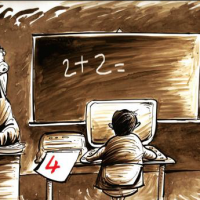
During Morning Meeting the other day, some of our fellow classmates discussed their science internships, and Mr. Bitler gave a presentation on why technology is a great possible future career option. However, he gave a statistic that was a little bit unsettling: nearly half of all US jobs will be replaced by robots in 20 years.
While the technological revolution will bring great things to this country, the immediate effect might be problematic. Continued amounts of people with a specific set of job skills will find themselves unemployed, and the jobs that will supposedly be replacing these jobs – in other words jobs that build and design robots – are very specialized, difficult, and require a certain kind of education. People who lose their jobs due to the implementation of machines will most likely not possess that kind of education, and therefore it will be difficult for them to find new jobs. It’s already difficult enough to find employment, but the increasing technological advancements will make it even more challenging for those who work in more remedial fields. Therefore, people who are stuck in poverty but are intent on working hard to get themselves out may not find the means to do so.
With this shift in the job market will come another shift in the wealth disparity in this country. Those who earn less will no longer have a place to receive any earnings whatsoever, while there will be a high demand, along with a high pay, for those who received a great education. Mr. Bitler described this transition when he was growing up, and said that he was advised: “Go into plastics, young Bitler,” so he could set himself up for a profitable career. However, with his enumerable opportunities came a more difficult period for those whose jobs were being replaced by machinery. With the further development of these technologies, an increasing number of jobs will be replaced, with only STEM occupations appearing.

In addition to the changing job market, the further development of certain technologies could be dangerous because it increases our dependency on technology and it has proven to be unsafe. The tragic events in Paris could have been avoided had technology not progressed to the point where encrypted coding systems were available for commercial purchase from technology companies. These encrypted codes were able to evade discovery from the FBI and other intelligence agencies. Though it could be argued that people deserve privacy, and therefore selling this encryption software is justified, it was incredibly harmful when it fell into the wrong hands and its continued existence is potentially dangerous.
I agree that technological advances are incredibly advantageous when they come in the form of medicine or new devices such as smart phones and holograms, but this inevitable transition of the job market from more primitive work to incredibly challenging occupations would lead to economic instability for a lot of hardworking individuals who have not had as extensive an education.
This article reflects the opinion of its writer, not The Minuteman as a whole. Click here to check out an alternative viewpoint, and be sure to comment below!

Leave a Reply
You must be logged in to post a comment.