By Meghna Padmanabhan ’17, Staff Writer
The average student sees college as the culmination of all his/her tough years in high school, struggling through AP classes, sleepless nights, and the horrors of standardized testing. However, there is more to college than just getting in. The beginning of a new chapter of one’s life in college is a liberating experience and one every teen looks forward to. The glamorous sororities/fraternities, endless freedom, and ability to choose our own classes make learning an exciting experience, which acts as a transition into the rest of our lives. However, the reality of the college lifestyle today involves fear and paranoia instilled into the minds of people of color and minority religions, often by peers they hoped they could trust.
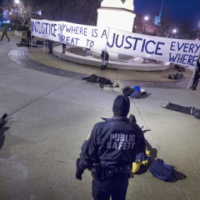
Racial slurs and threats have become a norm at many universities across America, despite our efforts to raise awareness about these issues and maintain a standard of racial acceptance within and beyond the education system. Recently, the stirrings of this unrest began at the University of Missouri in the beginning of the current school year with students and teachers alike being the victims of insults about their African-American heritage. A few weeks later, a Swastika was drawn on a residence hall building, and all of this was met with silence until students in a group called Concerned Student 1950 (created when the first black student was admitted into the university) protested in front of the President of the administration, Tim Wolfe. Wolfe was criticized for not taking more of a stand against the existence of racism at the school, and many students pushed for his resignation, which came shortly thereafter.
This demonstration of strength in numbers and community in times of difficulty and oppression inspired students in universities across the country to speak out about racism existing in their areas. The hashtag #IStandWithMizzou not only represents the nationwide support for students at these colleges, but it also unites people all over the world who feel this oppression and want to be a part of the solution. Ithaca College in New York, Smith College in Massachusetts, Claremont McKenna College in California, and many others have taken action and called for the resignation of leading figures in their communities who have done nothing to stop the spread of racism on and off campus. These actions, however insignificant they may seem, show positive steps in the right direction and allow those who are oppressed to retain the power that they deserve.
However, this problem is one that persists and pervades all aspects of society, including Newark Academy. Facebook has been a source of news about what is occurring on these campuses, and many alumni have been deeply affected by the threats present to and around them. In one instance, anonymous people posted threats on social media about their ideas to exterminate all African-Americans at Howard University, and it is painful to read about this and wonder about the safety of those with whom we once shared the halls at school. The writer of the post stated death threats against black students at the university due to the fact that they constantly “complained” about their situation and caused Tim Wolfe to lose his job in Missouri for not
acting out against the violence and racism.
The discussion and ethos of inclusion that exist inside our walls are shattered when we read about awful situations like these. A picture shared on Facebook by a student at MU suggests that even some teachers are not sympathetic to the dangers that minority students are facing every single day. In this email, the professor almost seems as if he does not care about the wellbeing of the student, and offers no possible solutions to help her take her exam at a different time.
Racial oppression and ignorance on university campuses detract from the experience one looks forward to when going to college. The NA community often holds discussions about the effects of racism on students at our school, yet the issue cannot be tucked away – it will follow us through college, and then through the rest of our lives. Self-awareness and the ability to speak up are the most important tools we can use to cope with these hurtful and difficult situations. The violence any one of us could face in the future is a threat that needs to be addressed immediately. College students should be looking at their notes to prepare for their next test, not looking over their shoulders.
Leave a Reply
You must be logged in to post a comment.