By Aman Patil ’17, Staff Writer
For

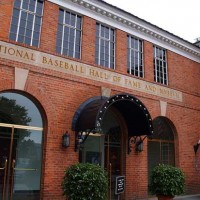
Baseball — a game that has existed since before the Civil War in 1839 and is still played today — is America’s pastime. Through all these years, baseball has captivated audiences domestically and internationally all the way from the Little League level to the MLB. In one year alone, over a billion people tune in to watch professional games on television, listen to them on the radio or attend the games physically. Baseball is a highly skill-based game that requires a combination of different abilities unlike any other sport. Because of this requirement, the MLB has had and has some of the greatest athletes and competitors on the planet. A game that has such talented participants needs a Hall of Fame, a place where the greatest players are honored for their on-field achievements to preserve their legacy for future generations of baseball lovers to cherish. This is exactly why the MLB Hall of Fame in Cooperstown, New York was founded in 1936.
However, in recent years the entry process into the Hall has changed. Today, players vying for a spot among Baseball’s immortals are also judged on a moral level and whether they were true to the game of baseball and the nature of sports itself. This change is due to the emergence of Performance Enhancing Drugs (PED) testing on players, a process that began in 2003 and now is carried out on all professional players. PED’s essentially make players stronger and ultimately let them hit the ball farther and throw faster. Today, many claim that the usage of PEDs tarnishes and stains the reputation and stature of a player no matter what his accomplishments were on the field. Because of this idea, many former and current players who are clearly eligible and deserving of recognition are in jeopardy of not reaching the Hall of Fame. However, many others still believe that the members of the Hall should only be judged on their value to baseball on the basis of their accomplishments on the field. The main arguments supporting the belief that PED users should still be allowed recognition in the Hall of Fame can be summarized in two points:
- Some already elected players in the HOF used PED’s or broke the supposed “moral code” in one way or another.

Barry Bonds hitting one of his 762 MLB-record home runs.
Major League Baseball only began testing for PED’s in 2003. Before that, it was quite easy to use them and get away with it unnoticed. For that reason, a surprisingly large percent of players in the MLB used PED’s and other banned substances. For example, 2016 Hall of Fame inductee Mike Piazza has publicly admitted to using the now-banned androstenedione which made his body swell and gave him more power. It was normal for players to use PED’s before 2003 and some of the players who have already been enshrined in the Hall admit to having used them. Furthermore, there is a number of Hall of Famers, including the renowned Mickey Mantle, who have questionable character and have violated the rules of the game. So why can’t the players who haven’t been admitted yet be seen in the same light as these players? Will Schwartz ’17 said it best: “Players who took PED’s and confessed about their usage should be admitted into the Hall of Fame; these players represent a part of baseball’s history and deserve to be included and represented in the Hall, too.”
- Baseball as a whole is losing out.

Alex Rodriguez signing baseballs and posing for pictures with young fans
It’s no secret: baseball is losing its popularity to other high-action sports like hockey, soccer, and football. Kids around the world are starting to idolize football players like Odell Beckham Jr. instead of ballplayers like David Ortiz. To combat this, the MLB needs to enshrine players that kids care about and represent the face of the MLB. For example, kids idolize Barry Bonds and Alex Rodriguez. Both players have the ability to hit the ball out of the park unlike any other to play the game. However, both have been caught using PED’s and their chances of getting into the Hall are slim to none as a result. Jack Szlosek ’18 agreed, commenting, ”It would be silly for the MLB not to enshrine someone who hit 762 homeruns [Bonds]. Kids want to hit like Bonds and A-Rod and it’s important for the game to enshrine players that kids want to be like. It’ll help baseball’s popularity in the long run.” It’s important to recognize that honoring players like Rodriguez and Bonds would bring tremendous popularity and media to the sport – media which is currently covering other sports instead of baseball. If baseball is to remain this nation’s pastime, the Hall of Fame needs to acknowledge the achievements of those who have made baseball such a prominent sport for this generation.
Baseball is an amazing game that has captivated audiences for generations. However, today baseball has come to a watershed moment in its history. This moment, or rather this decision, determines whether PED players will be allowed into the Hall of Fame. However, it represents something far larger. This decision holds a tremendous amount of weight not only for the players in contention for the Hall but also the game of baseball itself. In order for baseball to remain being one of the most popular games in the world, then it must take the moral code out of the Hall of Fame process.
Against
By Anthony Giachin ’17, Staff Writer
America’s pastime has taken some twists and turns, but none bigger than the transformation from an innocent, enjoyable game to a powerhouse competition of who can hit the ball farther. This drastic change is the result of the emergence of performance enhancing drugs (PED’s). When words like “steroids” and “baseball” are tossed around in the same sentence, a few names seem to come to mind almost immediately: Barry Bonds, Roger Clemens, Mark McGuire, Sammy Sosa, Alex Rodriguez, and many more. These names are tossed around most not because these players are the only ones to take PED’s, but because of their vast success. Looking at the statistics over the career of each one of these players, they should all be first ballot Hall of Famers. Alex Rodriguez is fourth on the all-time home run list, with three thousand hits, and one of only two players in the history of the game to hit two thousand RBI’s. Any one of these accolades alone should be sure reasons to allow Rodriguez into the Hall of Fame; however, it is important to note the manner in which Rodriguez and all other players who took PED’s achieved these accomplishments. By definition, these players cheated. They had an unfair advantage over other players, and because of this advantage, they were able to be more successful. There was not an even playing field in the league, as players were soon faced with the choice to take these drugs and cheat or to not take the drugs and be left in the dust by the powerhouses taking over the league.

This argument is not an attack on the raw talent of any of these players, as the drugs do not improve the skill of each player; they simply increase strength and enable players to hit the ball farther or throw the ball harder. There is no way to know whether these players would have been Hall of Fame material without the steroids, as they are all clearly special players with copious amounts of talent; what we do know — that these players cheated the system and defaced the sport — means that they do not deserve to receive the honor of being a part of baseball’s most prestigious club. To honor these players and place them next to the great names like Babe Ruth and Ty Cobb would tarnish and undermine the accomplishments these previous players worked so hard to achieve without the help of PED’s. Even if these players were accepted into the Hall of Fame, there would always be an asterisk next to their name. Their reputation will forever be tarnished.

Some people fail to remember the effect these players’ actions have on the youth of this nation. The players on the field become the icons and role models for this youth. Children look up to these players, and to see them perform such a disdainful action negatively affects the youth’s view of the game. Michael Connolly ’17 is a die-hard Yankees fan who used to be a huge supporter of Alex Rodriguez. When asked about how he felt when he heard Rodriguez took performance-enhancing drugs, Michael said, “I was shocked by the news. A-Rod was one of my favorite players and someone I always looked up to and to see him cheat and do something so disrespectful to the game was unnerving. I lost faith in my role model and it made me rethink my love for Alex.” As you can see, these players have a significant effect on the youth of this country, as baseball is such a prominent sport. To allow these players into the Hall of Fame would condone their actions and allow their cheating and wrongdoing to go unpunished. What kind of message would that send to the youth? When asked if players who used PED’s should be allowed in the Hall of Fame, Connolly responded with, “No, the reputation and prestige of the Hall of Fame would be tarnished and would send a negative message to the public. It would undermine and underappreciate the players that worked hard to achieve this accomplishment fairly.”
To be admitted into the Hall of Fame is the greatest honor one can receive. Hall of Fame players are expected to live up to this honor not only through their exceptional performance on the field, but also through their respect and appreciation for the game. The players that took PED’s and cheated by all means have sufficient talent and statistics to be admitted into the Hall of Fame, but they lack the respect necessary to qualify them for such an honor. Keri Nachtman ’18 said it best: “If I were caught cheating on a test in Newark Academy, would the 100 I received on that test still count? Obviously not. Then why should these players be rewarded for cheating? They shouldn’t.” It’s as simple as that. These players should not be allowed to enter the Hall of Fame, as they did not fairly achieve their accomplishments. Yes, they changed the face of the game – but not in a good way.
Leave a Reply
You must be logged in to post a comment.