By Meghna Padmanabhan ’17, Commentary Editor
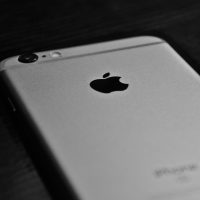
We’ve been told millions of times that anything we say or do on the Internet is public. Yet it came as a surprise to many of us when we found out that information we believe to be kept private, like text messages and photos, was at the brink of being revealed. Ever since terrorist Syed Rizwan Farook killed 14 and injured 22 people in San Bernardino in what was known as the deadliest terrorist attack to emerge since 9/11, the FBI had been trying to gain access to his phone records by requesting that Apple remove the software guarding them from investigating his phone. Other than private messages, there was no preliminary evidence that Farook had been involved in planning the attack; as a result, the FBI insisted that Apple give them access, which would not only allow them to breach that one iPhone, but give them the ability to bypass the security of any other iPhone as well. They essentially asked Apple to create a backdoor to their own most secure security. Apple, however, has taken the side of its customers, and refused to allow the government to infringe on their personal information, thus adhering to their own policy and maintain trusting relationships with their loyal customers.
Admirable? Yes. Practical? Hard to tell.

For those of us who read 1984, we know that allowing the government access into our personal lives can lead to oppression and paranoia, but is all of that really at stake here? The FBI told Apple multiple times that they only wanted to access specific information in the phone, and then would retract and destroy the software they used. This information would allow them to figure out Farook’s resources, allies, and motives, and aid them in identifying other terrorists. Despite a search warrant and a federal judge’s order, Apple believes that allowing them to breach their security affects the sincerity of their promises to their customers and, if the new software were to fall in the wrong hands, it would be “the equivalent of a master key, capable of opening hundreds of millions of locks”, according to CEO Tim Cook. Once created, it would be dangerously easy to manipulate.
A huge fear that Apple and its consumers have is that the new software could potentially fall into the hands of another terrorist group with the ability to hack into the phones of anyone within the United States and pursue the almost inescapable cyber terrorism. If this front were to be breached, there would be no way of knowing who was safe and who was not, and access to secure government files and even NUCLEAR CODES could be gained. The world would be an entirely different place if this code compromised the security of iPhones.
On Monday, March 28, the FBI announced that they managed to unlock an iPhone 5c that belonged to the San Bernardino shooters without any help from Apple! They do not seem willing to share the methods they used to hack the phone, meaning Apple has lost whatever control they had over this entire situation. If they had accepted the FBI’s terms and allowed them to examine the phone and then return the software to Apple, they would have had more of a say and been a part of the entire operation. To make things worse, this exposes a vulnerability that exists in their security that allowed the government to hack the phone. Without knowledge of how the iPhone was hacked, the device is susceptible to other hackers, which largely defeats the purpose of Apple’s refusal to allow access to the FBI.

Now that the situation is out of their hands and solely in possession of the FBI, who knows how willing they will be to respect our privacy? This situation raises the issue of government control over private enterprise and rejuvenates the debate about whether or not Apple should have just complied in the first place. Furthermore, the fact that the FBI refuses to disclose how they did it makes the general public even more uncomfortable, creating an atmosphere of distrust. Nonetheless, this situation reveals how, despite the protective security Apple has put into place, it is still possible for someone to break into the phone. Apple refers to this as an “arms race” between them and the people trying to exploit bugs in its software, and it looks like Apple has lost the upperhand. This battle should remind all of us that any information we hold electronically is vulnerable and can be revealed in a heartbeat.
Though this happened over a month ago, many are still questioning whether or not the FBI should allow the method used to hack the iPhone to stay anonymous so no one else knows how to do it or to tell Apple what it was so they can address the problem. Either way, the “battle” between the two organizations extends to iPhones of other criminals as well, and is now following the path that Apple had wanted to avoid all along.
In this case, Apple, you should have quit while you were ahead.
Leave a Reply
You must be logged in to post a comment.