By Zachary Burd ’19, News Editor
Obesity is expensive.
Besides the hundreds of billions of dollars a year spent on weight-related health care expenses, obesity costs many Americans in subtler ways, such as increased job absenteeism and even decreased fuel efficiency.
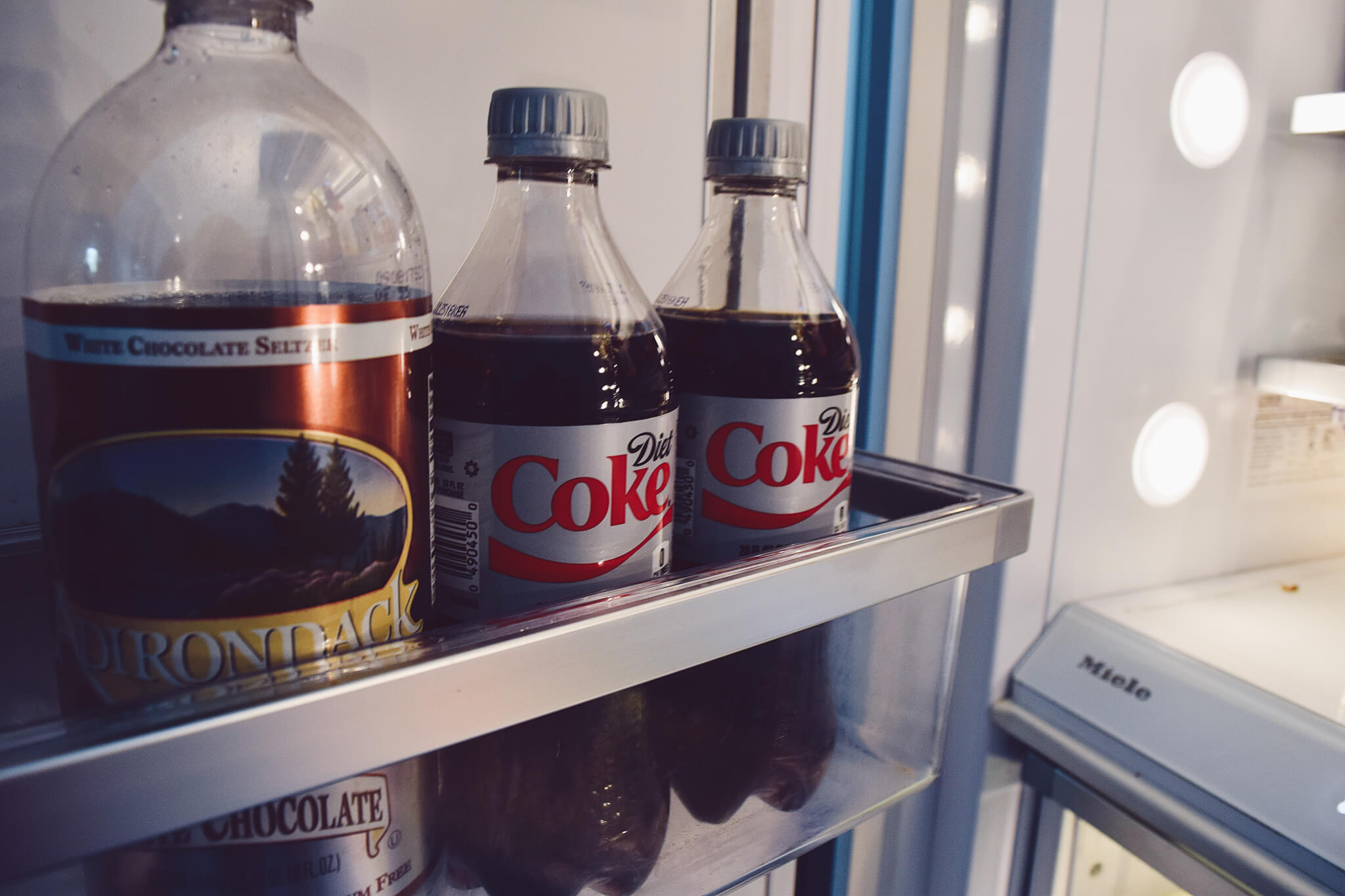
One popular solution to this problem is a tax on sugary beverages, which include sodas, sweetened teas, fruit juice concentrates, and energy drinks. Cities across the country have begun to experiment with this alternative, both to discourage consumption and to collect revenue. In June 2016, Philadelphia became the first major American city to institute a soda tax, designating its proceeds towards paying for a universal preschool system. Berkeley, California had also introduced a similar measure in 2014, and the results were immediate. According to a recent American Public Health Association report, sugary drink consumption dropped by 21 percent and water consumption increased 63 percent in just four months.
Critics of the tax cite the disproportionate effect on the lower classes and people of color, as well as characterizing it as a blatant example of government overreach. Philadelphia’s one-and-a-half cent per ounce tax is one of the highest in the country. It could increase the cost of a 12-pack of soda by as much as 35 percent, making it too expensive for many. And due to the sudden decline of soft drink purchases, grocery stores in the area have had to lay off hundreds of workers.
The issue attracted national attention when Democratic presidential candidate Hillary Clinton publicly endorsed the tax, and debated its effects on the lower income brackets with her opponent Bernie Sanders. Ms. Clinton defended the tax by emphasizing that it is a way to fight poverty in Philadelphia, with some additional public health benefits, as soda consumption has been consistently linked with obesity, diabetes, and tooth decay.
Newark Academy students have also been outspoken on the issue.
Although Gillian Cohen ’19 discourages soda drinking, she questions the efficacy of the tax. “It depends on how much people are willing to pay,” she said. “In poorer communities, they’re going to buy the soda anyway, so increasing the price will just unnecessarily hurt people [economically].”
Brady Sheaffer ’18 recalled Global Speaker Dr. Antwi Akom’s presentation on the lack of grocery stores in impoverished neighborhoods such as Oakland. He said, “People simply can’t get access to healthy foods. They’re forced to buy chips and soda from corner stores, so this tax would severely disadvantage poorer communities.”
Other more conservative critics protested the apparent government intrusion into the private consumption choices of citizens. Science teacher Mr. Bitler characterized the tax as theft. “It’s stealing from someone to give to somebody else,” he said. “America is a free country, so people should be able to buy whatever they want. It’s not the government’s business to decide who is rich and who is poor.” Zach Kessel ’19 echoed this sentiment, saying, “If a soda tax is meant to discourage buying soda, what is an income tax meant to do?”
The soda tax controversy has evolved into a broader dispute over race, the condition of people in poverty, and the proper role of government in the economy, as well as prompting fierce backlash from both parties. Despite vigorous opposition, however, the initiative has swelled in popularity. San Francisco, Oakland, and Chicago are among the major cities with soda taxes coming into effect in the next few years, and Seattle’s mayor proposed a two-cent tax per ounce in February.
Yet it is unlikely to come to New Jersey anytime soon. At seven percent, our sales tax is tied with Tennessee, Mississippi, Rhode Island, and Indiana for the highest rate in the country, although this exempts essential goods like food and clothing. And with the recent increase of the gas tax from 14.5 to 37.5 cents per gallon, any further hikes seem increasingly unlikely.
Nevertheless, we might see it on a ballot in the next few years, as the issue becomes increasingly polarized. On one hand, Britain introduced a soda tax in 2016, and companies have drastically reduced the amount of sugar in their products. However, on the other, the initiative was rejected in Santa Fe last week and in New York City as recently as 2013.
So keep an eye out for the soda tax−it might be coming soon to a city near you.
Leave a Reply
You must be logged in to post a comment.