by Sophie Gilbert ’19, News Editor
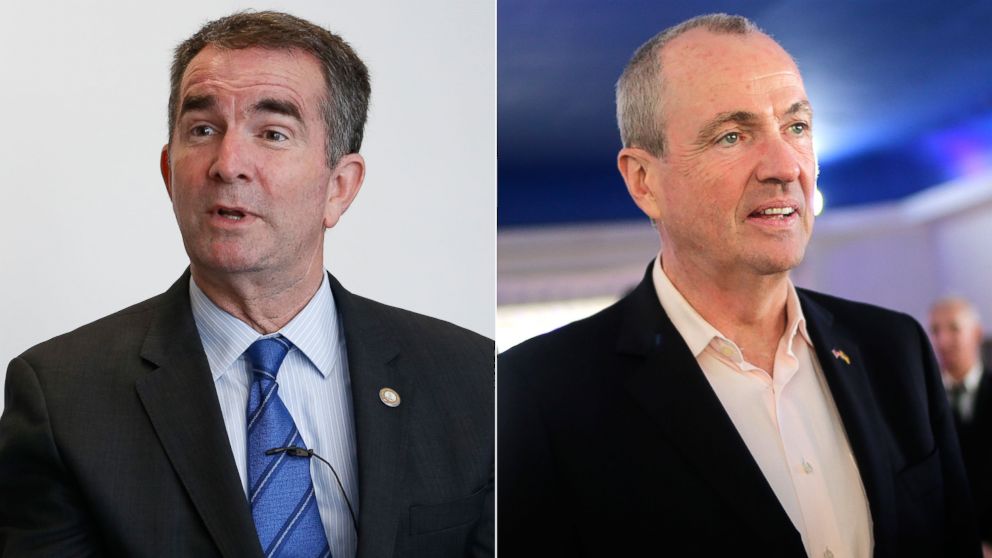
On November 7th, Election Day, both New Jersey and Virginia elected new governors. Phil Murphy was elected by New Jersey and Ralph Northam by Virginia. Both are Democrats, and Murphy is coming into office after Republican governor Chris Christie, while Northam is replacing Democrat Terry McAuliffe. Beyond the gubernatorial election, this Election Day had other historical highlights. Danica Roem became Virginia’s first openly transgender elected official, one of the first in the nation. This victory was particularly notable given that her opponent, Robert Marshall, was notoriously homophobic and had introduced Virginia’s “bathroom bill” earlier that year. Other significant elected officials included Sheila Oliver, who became New Jersey’s first black female lieutenant governor, as well as Chris Hurst. Hurst, whose girlfriend was the Virginia reporter shot and killed on air in 2015, was elected to the Virginia House of Delegates. Additionally, New York City Mayor Bill DeBlasio was reelected for a second term by a large majority.
Phil Murphy, the New Jersey governor-elect, had significant prior experience in politics. Before running for governor, Murphy was a New Jersey Benefits Task Force chair in 2005 and a United States ambassador to Germany from 2009-2013. He grew up in a working-class family, which helped add to his appeal for many voters. Murphy is a Democrat, and some of his significant beliefs include gun control reform, protection of immigrant rights, $15 minimum wage, and marijuana legalization. Murphy’s opponent was Kim Guadagno, the lieutenant governor to Chris Christie. They had many opposing beliefs; while the central focus of Guadagno’s campaign was lowering the property tax, Murphy had a goal of raising taxes on the wealthy. However, Guadagno did draw controversy over a political campaign ad against Murphy about illegal immigration that some found to be much more far-right than Guadagno’s typical middle-of-the-road Republican politics.
Overall, Murphy’s eventual victory was due to the many campaign promises that he had made. Murphy vowed to fully fund schools and pensions, to end the PARCC standardized test as a graduation requirement, to restore the millionaires tax, to mandate earned sick leave, and to revamp the NJ economy and transit. While these promises garnered Murphy a large amount of support for their progressiveness, there were also those who did not support him. Some believe that Murphy’s beliefs are cliche-ridden and ineffective, and many others disagree with his more controversial and left-leaning beliefs such as marijuana legalization and gun control reform. However, Murphy did win the governor-elect’s seat with a 55.7% majority, showing that most New Jersey residents seemed to agree strongly with his message.
Ralph Northam is the Virginian governor-elect, and his beliefs are overall similar to Murphy’s, as they are both Democrats with a strong focus on social issues. Northam is an Army veteran and a former pediatric neurologist, and additionally had political experience as the current Virginian lieutenant governor and a member of the Virginia senate from 2008-2014. Northam’s experience in the army influences some of his causes, as he focuses on working to end veteran homelessness and improve veterans’ access to healthcare. Some of Northam’s other political stances include improving women’s access to affordable healthcare, tighter gun control reform including universal background checks, cutting the costs of public colleges, and working to ensure clean energy job growth. Northam’s opponent, Republican Ed Gillespie, focused on creating jobs and cutting taxes. Gillespie, as well as many Virginian voters, criticized Northam for missing various board and commission meetings. However, in the end, Northam was victorious over Gillespie, earning 53.9% of the votes.
But how will people actually be affected by this election? In New Jersey, Murphy’s proposed $1.3 billion tax hike would primarily affect the wealthiest people in the state. Additionally, marijuana, once legalized, would be taxed as well to contribute to the tax hike. Besides raises in taxes, New Jersey residents will also begin to see improvements in infrastructure. In his first major speech since the election, Murphy promised to make New Jersey “the comeback story of the nation.” The 2017 election sets the stage for the 2018 midterms, in which Democrats hope to get rid of the Republicans’ 24-seat House majority, and Republicans wish to increase their two-seat advantage in the Senate.
The results of the 2017 Election Day reveal much about our current political climate. On the election of Phil Murphy, James Blume ‘19 says, “I think it was less about him and more about his party…Christie and Trump had both had very low approval ratings, so it’s no wonder that New Jersey voted for Murphy. I think that New Jersey could have chosen any Democratic candidate and they still would have won.” Regardless of political beliefs, it is clear that the results of the 2017 election have been greatly affected by the political climate that has been prevalent since the election of 2016. We can only look to the future to see whether these trends will continue, as Phil Murphy, Ralph Northam, and all of the newly elected officials prepare to take office.
Leave a Reply
You must be logged in to post a comment.