By Alena Zhang ‘18, Commentary Editor
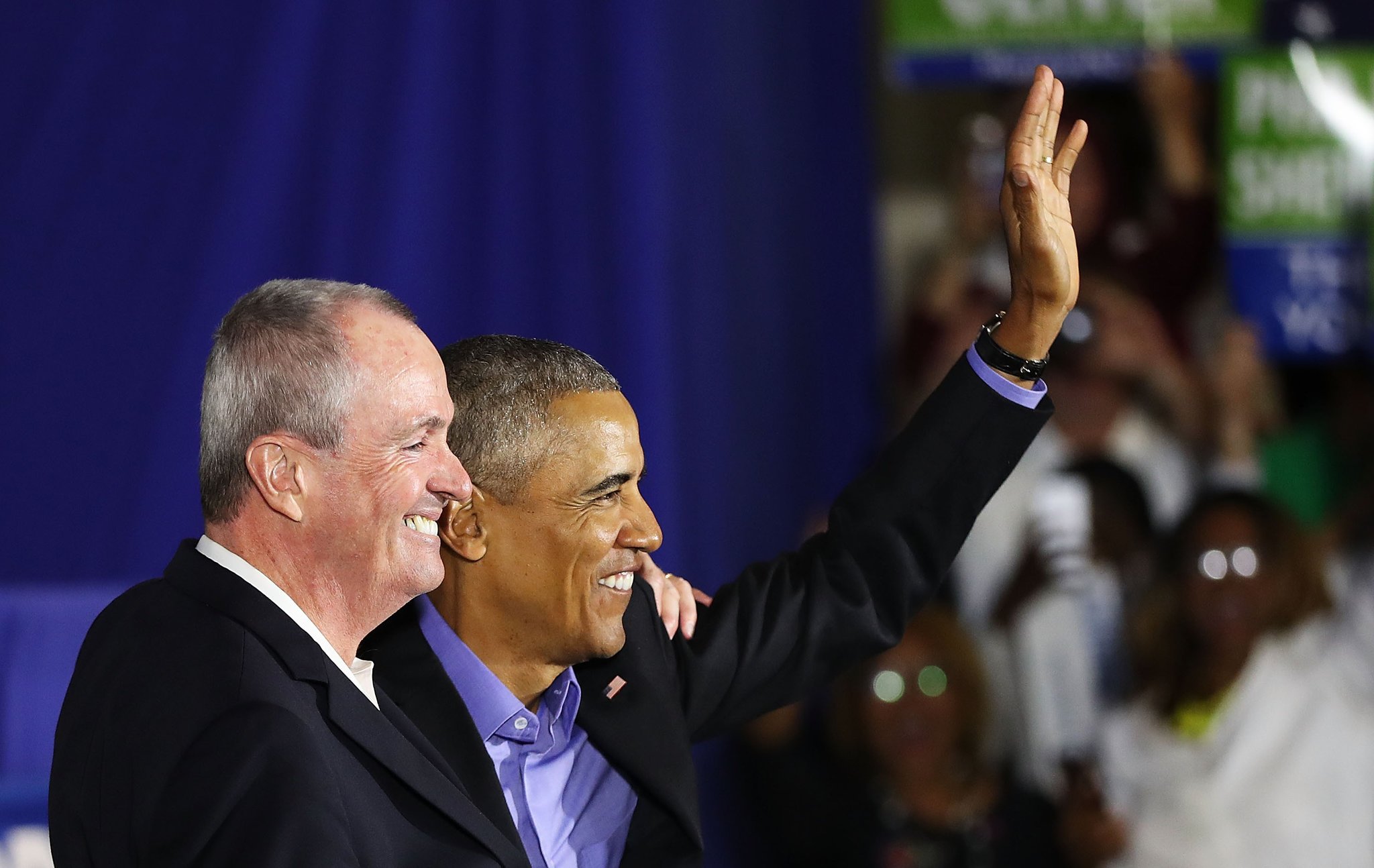
On November 7, 2017, NJ voters chose Phil Murphy—retired Goldman Sachs executive, U.S Ambassador to Germany, and finance chairman for the Democratic National Committee—as their next governor. Murphy defeated Republican opponent Kim Guadagno with over 55% of the vote. Guadagno was Chris Christie’s Lieutenant Governor, holding the second-highest political office in the state. In early October, Guadagno rolled out an anti-immigrant advertisement which aimed to energize Trump supporters, saying Murphy would support the “backs of deranged murderers” and “child rapists.” This move was a hard right turn considering her campaign’s previous focus on lowering property taxes.
Phil Murphy, however, chose to focus on honoring public worker pensions, reforming NJ Transit, raising the minimum wage to $15, and in a welcome surprise for many millennials, legalizing marijuana. The first three problems listed here can largely be attributed to Chris Christie’s funding cuts over the past eight years, and it was difficult for Guadagno to escape the 15% approval ratings of her closely-linked superior. Although Phil Murphy has never held political office, most voters envisioned him as a better governor than a Christie repeat. Rebecca Slater ‘18 said that she “got mail every day leading up to the election” saying not to vote for Chris Christie’s other half.
Now that he has been voted into office, Murphy’s task is to convince us that he is more than his resume—which primarily paints him as a wealthy political donor rather than someone who genuinely cares about his constituents. In fact, as one of the most populated states in the country, New Jersey deserves someone with more political experience. Considering the mess that Christie has left behind, though, nearly any governor will be an improvement to the state. Madeleine Levinsohn ‘19, a leader of NA’s Young Democrats, said that Murphy “has a great balance between fiscal and social causes to fight for. Although he has never held political office, he has a long history of working to fight inequality and economic disparities. His background with the NAACP and his New Jersey initiatives like The New Start Career Network and the New Way for New Jersey, as well as his work with President Obama leads me to believe that he is a positive change for New Jersey.”
One of the most contentious topics of the gubernatorial election was New Jersey’s exorbitantly high property taxes. Murphy proposed to “make New Jersey more affordable” by ensuring that school districts are fully funded by the state, reducing local property taxes. In fact, he accused Christie of underfunding schools by $9 billion, which is simply unacceptable in a state with nearly 25% of its population under the age of 18. He has also spoken about raising a “millionaires tax” and closing corporate tax loopholes, forcing the wealthy to pay more taxes to the state.
Mr. Murphy favors the legalization and taxation of marijuana, including for recreational use. His campaign claims that this change could yield $300 million in revenue. Murphy wants to eliminate low-level drug offenses—which waste most people’s time and money—and reduce the number of people in prison. Across all of America, more people are arrested for marijuana use than for all violent crimes combined. Criminalization drives underground drug use and has serious drawbacks for public safety; police could be addressing more significant public safety issues instead. In fact, mass incarceration faces clear diminishing returns for crime control and imposes high costs on low-income communities. Rebecca Slater ‘18 commented, “Some think that there are very few people using marijuana now, and when it’s legalized, a ton of people will suddenly start smoking—I don’t think that’s the case.” It may take several years before Murphy’s plans to legalize marijuana are fully realized, but he seems determined.
Murphy also plans to restore money to Planned Parenthood, and ensure that NJ rejoins a regional greenhouse gas pact to combat climate change.Although it may be difficult to see how new taxes will pay for his lofty promises, Guadagno’s campaign platforms weren’t any better. She promised to cover costs through annual revenue growth, but Moody’s Investors Service estimates that NJ will only see $972 million in new revenue based on a $34.2 billion budget(1). For those who doubt Murphy, he received endorsements from several prominent Democrats, including Barack Obama, the Clintons, Joe Biden, and Al Gore.
Democrats enjoyed two crucial wins throughout the nation; Rebecca noted that “Election day, not only for NJ but also for Virginia, was a big day for Democrats.” There, Lieutenant Governor Ralph Northam defeated Republican Ed Gillespie and won a key governor’s race. For America as a whole, the election of these two governors symbolizes a reaction to the troubling Republican presidency; Murphy himself said that “We will…push back against the mean winds blowing at us from Washington… This is the first major election since Donald Trump was elected. Tonight, New Jersey sent an unmistakable message to the entire nation — we are better than this.” Murphy won with a strong turnout from northern NJ, which elevates chances that incumbent Republican congressmen can be defeated. As the new governor-elect, Murphy represents a new hope for NJ and a repudiation of the hard-right sentiments that have emerged under Trump’s administration.
(1) http://www.nj.com/politics/index.ssf/2017/10/nj_governor_tax_plans_add_up.html
Leave a Reply
You must be logged in to post a comment.