by Sophie Gilbert ’19, News Editor
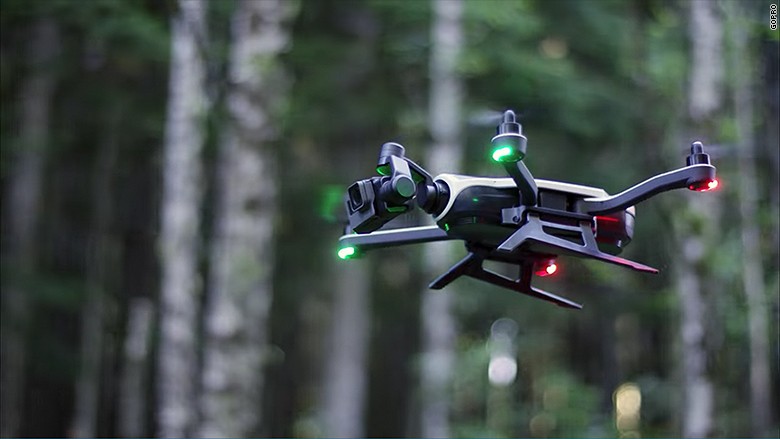
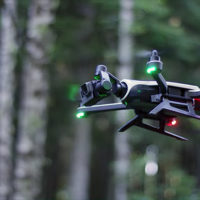
In 1910, the first state law banning drunk driving was implemented. Since then, it has become practically second nature to ensure that drivers are always sober behind the wheel. Now, the skies are going to be watched as closely as the roads; a New Jersey law has been signed into effect banning “drunk droning.”
The law, which took effect on January 15th, states that operating a drone while under the influence of alcohol is now illegal. “Under the influence” is classified as a blood alcohol content level of 0.08%, the same BAC level that constitutes drunk driving. The law namely focuses on personally-owned drones, since individuals are more likely to commit droning misdemeanors, but the law applies to corporations who are using drones as well. The punishment for breaking the “drunk droning” law is a $1000 fine or up to six months in prison. Besides droning while inebriated, the law bans additional types of drone use, such as flying a drone near a prison, in pursuit of wildlife, or in interference with first responders. The bill, which was unanimously approved, was one of 109 that former Gov. Chris Christie passed on his last day in office.
The new law has come about as a result of the booming sales of consumer drones over the past few years. According to the Consumer Technology Association, 3.1 million drones have been sold in the past year, a 28 percent increase from the year before. Personal drones have a variety of uses, such as aerial photography or video, or simply recreational flying. Besides the booming industrial growth of personal drones, companies have begun to incorporate drone use. Delivery companies like UPS or Amazon are testing out the use of drones to deliver packages quickly to people’s homes. BT, a telecommunication company, is experimenting with using drones to provide internet access to hard-to-reach areas like warzones or natural disaster locations. Even the Japanese sushi chain Yo!Sushi experimented with a drone waiter prototype that delivered food while wirelessly controlled from a smartphone in the kitchen.
The rapid growth of drones’ popularity has naturally led to many accidents involving drones. One of the most famous was in 2015, when an intoxicated intelligence worker crashed a drone into the White House grounds. Besides this, there have been many instances in which a drone flew too close to bystanders at an event, obstructed other aircrafts, or interfered with wildlife. It is no wonder that these incidents have been followed with regulations restricting where you can fly your drones and how alert you must be. 17 states have passed drone regulations in the past year, and many other states are looking towards implementing them in the future.
Mr. Bitler, the faculty advisor of Robotics Club, has had significant experience with drones. He believes that the new law is very important because “[drones] can cause huge problems if they are operated in a bad way.” Addressing the growing popularity of drones, he said, “Many people are involved in building drones and flying them…we have a drone group in our robotics club [at NA.] But drones can cause problems, they can interfere with airplanes…they can injure people…they do have to be regulated.”
Overall, the beginning of sweeping drone regulations seems to point to a future in which drones become as ordinary as any other vehicle. As companies continue to adopt drones into their practices, drones are becoming increasingly common, but more and more safely regulated. One can only guess how many more ways drones will be implemented in the world as we know it.
Leave a Reply
You must be logged in to post a comment.