by Spencer Glassman ‘19, Staff Writer
The ratification of the American Constitution in 1788 established a system of governance that has been one of the most successful in the history of the world. This founding ordinance only went so far as to establish a government; it was followed by a similarly important document—the Bill of Rights. The ten amendments that were passed, four years after the Constitution was written, ceded huge amounts of liberties to the states and the citizens. Even in the genesis of the new republic, the extent to how strictly the documents should be interpreted was eristic. After agreeing on increasingly broader understandings of the Constitution over time, the question has morphed from “How should we listen to it?” to “Should we even listen at all?”
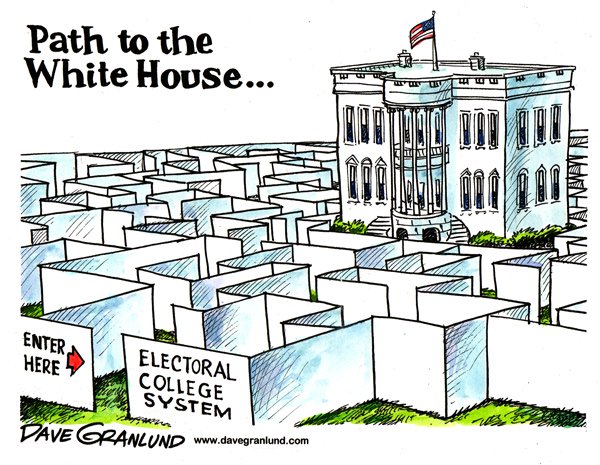
The Constitution and the Bill of Rights are too complex to be fully discussed in a single article. Following the Parkland shooting, gun control protests raise questions about whether Constitution is outdated. However, I would like to discuss another point of controversy: following the election of Donald Trump, a debate about the legitimacy of the electoral college ensued. Critics of the voting system claimed that it was undemocratic, with many instead proposing a method of pure popular vote. James Blume ‘19 excoriated this electoral method, calling it “the appendix of the colonial era,” continuing that “it is undemocratic in its nature and should be done away with.” Did our founding fathers fail at creating a functioning democracy? In a blunt sense, yes. James is completely right: the electoral college is fundamentally antithetical to the idea of pure democracy. In the most recent election, President Trump received two million fewer votes than Hillary Clinton, yet he still won.
However, the central framer of the Constitution, James Madison, had no intention of creating a democracy—instead, he envisioned a republic. Plato regarded democracy as the second worst regime, and America’s founders, being influenced by the Classics, shared similar concerns. Tyranny of the majority was among Thomas Jefferson’s most serious worries. If fifty-one percent of the population holds complete power, they are as able to oppress the other forty-nine percent as any dictator or tyrant.
There would be tangible impacts to having a popular vote for the United States presidency. Zachary Kessel ‘19 notes that “Only Americans on either coast would have any political power whatsoever.” Despite the shortcomings of a popular vote, the electoral college is clearly imperfect. Zachary conceded that some aspects of the system could be fixed: “The college itself may need to move to a proportional method of tallying votes.” Other concerns include faithless electors who could betray the will of the people. These corrigible issues should not lead us to admonish the whole document. The United States was founded upon certain principles that were specifically designed to promote individual liberty and consent, and we can identify the ways it comes up short in those goals, but we shouldn’t reprove them.
Leave a Reply
You must be logged in to post a comment.