
Sophia Chen ‘22, Feature Writer
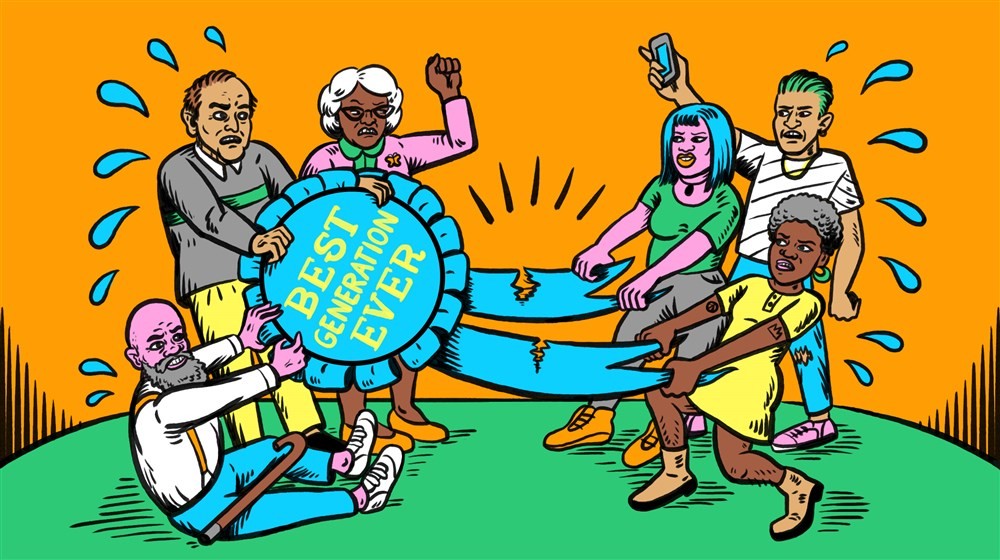
Created to show Gen Z’s frustration towards older people who just don’t get it, “Ok Boomer” is a phrase that represents the younger generation’s voice on issues such as gun violence, climate change, gender and racial equality that affect the present and future. The sentiments behind the phrase aren’t revolutionary; in fact, this desire for a better future and resentment towards and older generation was felt by Baby Boomers themselves in the 1960s. In some instances, “Ok Boomer” seems to be a mark of the end of friendly generational relations because of the comical yet derogatory way it is used — the way it was popularized on TikTok. However, it is more frequently used as a symbol for those of Gen Z who feel their opinions are not being heard.
Many Boomers fought for the kind of change today’s Gen Z desires. The civil rights movement was an important issue that lasted through the 1960s. At the time, many high school and college students organized and participated in protests, acting to make their voices heard. For example, four black students protested for their rights during the famous Greensboro Sit-In, and Berkeley’s Free Speech Movement was created by young radicals who wanted their voices to be heard. Jack Weinberg, a leader of the Free Speech Movement, said, “Don’t trust anyone over 30.” Like members of Gen Z today, Baby Boomers were student activists who supported issues such as civil rights and felt frustrated towards a previous generation. They protested against decisions made by older politicians; for instance, Boomers led the opposition against the Vietnam War. Furthermore, the Baby Boomer generation was known to have pushed social conventions — many surrounding gender roles — such as acceptable ways to dress and women’s roles in the workplace. Yet today, the phrase “Ok Boomer” portrays the boomers as conservative and unable to accept change. Boomers experienced the same frustration and urge to stand up that is felt by members of Gen Z today. In both cases, a younger generation resents and fights to reform the decisions made by an older generation. Today’s issues of gun control, climate change, and continued efforts for gender and racial equality were also yesterday’s issues of climate change and civil rights.
However, “Ok Boomer” can still sound like an attack towards the older generation. It blames those who aren’t avocado-toast enthusiasts for the pressing issues that have not been addressed. However, “Ok Boomer” is not an attack on all baby boomers, but rather more like a rallying cry for the new generation across the world. It represents a younger generation finding the voice to speak up about issues that are important to a better future. As more and more students begin to find their voice, whether on the streets protesting, or even firing back witty remarks on TikTok, “Ok Boomer” is a phrase that epitomizes Gen Z’s determination to make change through action.
Leave a Reply
You must be logged in to post a comment.