
By Navyaa Jain ‘23, Commentary Writer
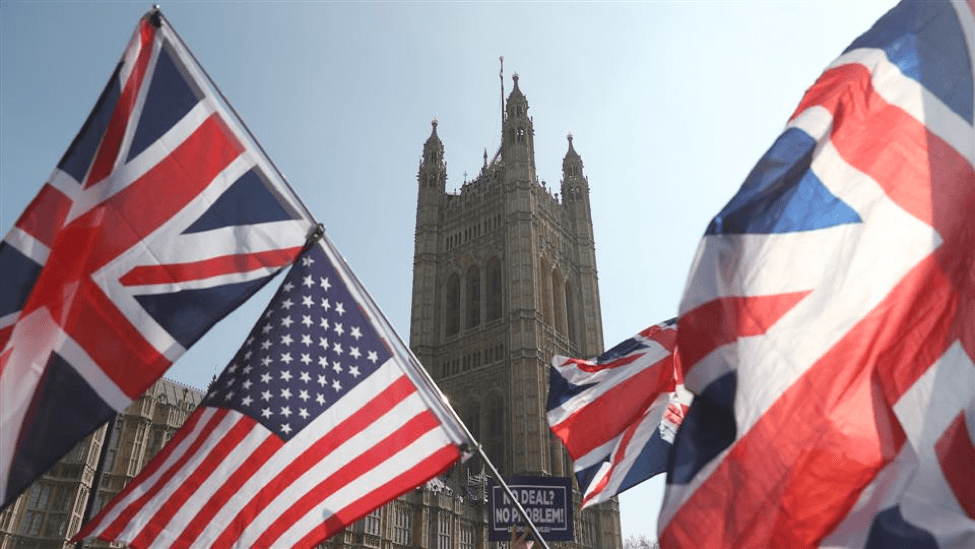
On June 23, 2016, the process of Brexit began. Brexit, short for “British Exit,” refers to when the United Kingdom voted to remove itself from the European Union, an association it had been part of since 1973. While the process continued to be discussed, it became clear that Brexit was bound to happen after Boris Johnson became the new British Prime Minister, replacing Theresa May. After Johnson claimed that he would “rather be dead in a ditch” than have the Brexit vote delayed, the United Kingdom officially left the EU on January 31, 2020.
But what does the US have to do with something across the sea, and why should we care? It’s no secret that the UK and the US have been powerful allies for a long time. This alliance gave the US an ally in the EU that often would support its positions. This was especially important after President Trump upset the bloc with his decisions to pull out of the Paris climate accord and the Iranian nuclear deal. Now, without the UK being in the EU, we lose an important source of support and will have to work harder to push our ideas.
It’s not only international relations that the US has to worry about, as businesses and the economy also face risks. Many US-based companies previously had their European headquarters in the UK, but as a result of Brexit, many of these companies have had to move their headquarters to other countries in the EU. While the process might not have been monumental, it still puts jobs at risk. These companies also invested up to $758 billion in the UK, which is in danger because of the risk that Brexit will inhibit business growth.
Besides the effects on business, our currency has also been affected. The day after Britain left the European Union, the pound fell 8% to $1.36 and the euro fell 2% to $1.11. While having a strong dollar might be beneficial to the US in some scenarios, it makes American shares more expensive for foreign investors and reduces their appeal. The weak pound also hurts exports from the US to the UK. As the US’s fifth-largest export partner, the UK has an $18.9 billion trade deficit with the US. In 2018 the US exported $141 billion to the UK while importing $122 billion. Due to the weak pound, imports from the UK could become less expensive and exports to the UK could become more expensive, making the US lose its trade surplus.
Often, people have the habit of not following news or events that do not directly involve America. In a recent poll done by Business Insider, only 1 in 9 Americans claim they can properly explain what Brexit is. While it might not affect the US as greatly it does the UK or EU, it is important to understand the consequences of events outside our country. A decision made by another country three years ago has the power to hurt our political alliances, businesses, and economy.
Leave a Reply
You must be logged in to post a comment.