By Andrew Rovit ‘22, Sports Writer

Worldwide, COVID-19 has shut down the sports world indefinitely for the first time with the postponement or cancellation of big events including the Masters, March Madness, and the Olympics. Not only have professional leagues been cancelled, but the impact of this virus on collegiate and high school athletes globally is still not fully known. For now, all these seasons have been postponed, but the real question is: what’s next?
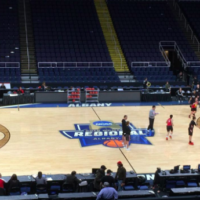
The National Collegiate Athletic Association (NCAA) made its first action on March 12th by cancelling its winter and spring seasons across the country. These actions were not well received by the public, yet now looking back on the decision, the NCAA made the right call. Many fans of March Madness were upset that they could not spend their quarantine enjoying one of the biggest events of the year until they realized the magnitude of COVID-19.
About 59% of NCAA Division I athletes are under some sort of scholarship that allows them to forgo paying their college tuition in exchange for their participation on the college’s athletic team. On March 31st, the NCAA granted all spring athletes an extra year of eligibility to play for their team whether or not they were on scholarship. This was big news for spring athletes. However, the NCAA ruled that the winter athletes, whose year ended early, will not be given an extra year of eligibility.
Fewer than 2% of NCAA athletes go pro, but this number will be reduced after this outbreak. College seniors who were relying on big events like the NCAA championships to become known in their sport will not have these same opportunities anymore. This makes it extremely difficult for lesser-known athletes to get recognized, and the cancellations of these events lowers their chances to play professionally and make money. After this outbreak ends, the discussion regarding whether or not college athletes should be paid will be brought up again for this exact reason.
In addition to granting extra eligibility, the NCAA rearranged some of its recruiting rules as a way of allowing teams to offer more financial aid and scholarships to people who cannot afford college due to the financial consequences of the coronavirus outbreak. Meanwhile, the NCAA strictly cancelled all in-person recruitment indefinitely. Obviously the NCAA made the right choice, but now high school athletes need to make future decisions based on phone calls and virtual tours.
All across the country, high school sports are on hiatus indefinitely, and some states in the US including California, Iowa, Utah, Missouri, Vermont, and Virginia have cancelled all spring sports. In regards to recruitment, spring athletes are already at a disadvantage because they only have three seasons to play before commitment, and with the likely cancellation of this season, it is getting harder and harder for high school athletes to get recognized by colleges. More importantly, many athletes rely on getting scholarships and professional contracts to pay for college and maybe food and housing, so this virus could damage their futures.
Sports bring society together. Whether it is the 60,000 fans screaming their hearts out at the Super Bowl or the 19.6 million fans who watched March Madness last year, a big part of our culture is sports. The cancellation of sports affects so many people including athletes, TV companies, fans, and other low-paid workers. Sports provide millions of jobs, so that is why President Trump wants to stimulate the economy through the rejuvenation of professional and collegiate sports. There are so many people, not just high school and collegiate athletes, being affected by this pandemic. The sooner we can beat COVID-19, the sooner sports can resume.
Leave a Reply
You must be logged in to post a comment.