
By Kaya Patel ‘22, Arts and Entertainment Editor
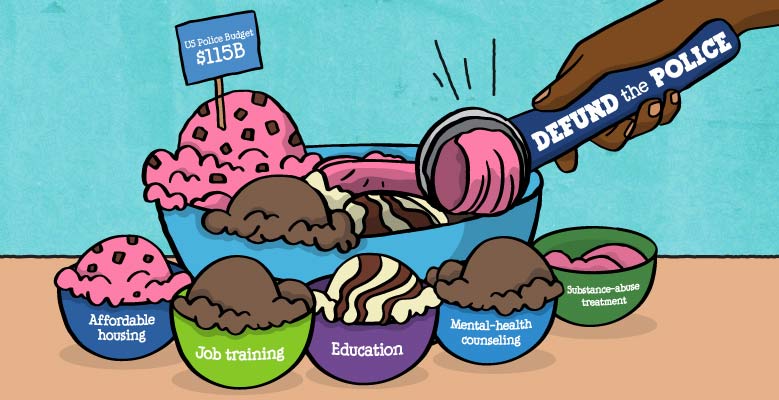
If you are active on any social media platform, you have likely noticed a major shift in its culture and emphasis on social justice in the past few months. While platforms such as Twitter and Facebook have highlighted and amplified political or social justice movements in the past, the shift, specifically on Instagram, from a generally apolitical environment to a tool for widespread social justice education has changed how we get our information and present ourselves online.
The Black Lives Matter movement is not new, but after the death of George Floyd, many people turned to social media to express their outrage and desire for action against systemic racism and police brutality. For many Americans, it was not until people witnessed the tragic and brutal killing of George Floyd on video that they began to take action and recognize our oppressive institutions. In an interview with the New York Times, Omar Wasow, a professor at Princeton University, said that social media allows us “to see a reality that has been entirely visible to some people and invisible to others.” Professor Wasow also compares the video of George Floyd’s murder to the pictures of Bloody Sunday at Selma, the beating of Rodney King, and the horrific murder of Emmett Till during the Civil Rights Era, and connects the previous importance of media in the fight for social justice to the social movements of today. Now, social media has not only amplified the Black Lives Matter movement, but it has allowed for networking and community organizing, thus changing the way that social movements gather support for change. Through sharing educational resources, petitions, places to donate money, flyers for rallies and protests, and even templates to contact politicians, social media broadcasts some of the many ways that people can get involved in the movement in the context of a pandemic. Furthermore, the steps that have been taken to combat police brutality and racism such as reduced police budgets, changes to schools and workplaces, and several new police reform bills, show how social media has influenced policy. These widespread changes are occurring faster now than ever before, and social media’s influence has reinvented the possibilities for social justice movements.
Because Instagram is a place for sharing pictures and videos rather than lengthy text, many people have turned to posts known as “Powerpoint Activism.” With eye-catching graphics and detailed information about each topic they present, these posts have allowed thousands of people to learn about important issues and concepts ranging from white fragility to the history of Juneteenth. While Instagram activism arose in response to the murder of George Floyd, you can now find simplified information about many complex social issues in the form of power-point posts.
Social media can also hold us accountable by ingraining social justice education into our daily feeds. However, individuals are not the only ones who are sharing resources; companies have become increasingly dedicated to expressing their morals in light of the recent protests. CHNGE, an ethical and sustainable streetwear brand, is one of these companies that is taking a stand by posting about allyship, defunding the police, climate change, and other issues. Additionally, the ice cream company Ben and Jerry’s has devoted themselves to raising awareness about key issues and defining their morals as a company. On June 2, the company posted a statement saying “We Must Dismantle White Supremacy: Silence Is NOT An Option.” Powerful statements like these showed customers that large corporations would fight alongside them and further social justice education with their influence. Both CHNGE and Ben and Jerry’s continue to show their support for the BLM movement, the fight against climate change, and other movements through their informational posts, which circulate through thousands of people and perpetuate the change that we need to see from both companies and individuals.
Although social media has increased support for many social justice movements, many argue that social media activism does not translate into real action. Instead, performative activism, a term used to describe people who care about social issues for the attention or approval of others, turns social justice into a trend rather than a true commitment to action. While the “BlackoutTuesday” hashtag was launched to support the BLM movement, it bombarded the “Black Lives Matter” hashtag with plain black boxes instead of meaningful information about protests and resources. Furthermore, in response to the lack of persecution for Breonna Taylor’s killers, people called for their arrest through memes, which distracted people from the real action that the posts demanded. Social media is a helpful tool for social justice, and its contributions to today’s movements are undeniable. However, we cannot rely on it to do the work for us. This is not just a trend, and we must recognize that to make real change in our communities and our nation, we must go beyond the reposting.
Leave a Reply
You must be logged in to post a comment.