By Trisha Bala ’22, News Editor
America’s National Parks are some of the country’s most prized possessions. Parks receive visitors from all over the world, and unfortunately the numbers just seem to be growing. Instead of experiencing wildlife, breathtaking lookout spots, and a chance for an escape, visitors face traffic jams, long lines, and crumbling roads. Conrad Wirth, a Park Service Director, expressed his concern that the parks would face danger of being “loved to death.” The slow deterioration of our beloved national Parks is in part due to humans. In 2016 and 2017, parks saw 330.9 million visitors, a number almost as great as the population of this country.
Across America, parks are facing the crisis of popularity. The increased volume of visitors has clogged backcountry trails, crowded mountain roads with traffic, and filled picturesque lookouts with people looking for photo-ops. Dan Wenk, a former superintendent of Yellowstone, said, “Our own species is having the greatest impact on the park and the quality of the experience is becoming a casualty.” Writers dispatched to examine the effects of overcrowding at Yellowstone saw two-mile long “bison jams” and small towns overrun by too many visitors. Yosemite National Park warns of possible 2-3 hours delays while driving into the park due to the sheer number of people visiting. The issues facing our national parks can no longer be ignored. Can our parks allow an unlimited number of visitors while still maintaining the vision Americans had for them over a hundred years ago?
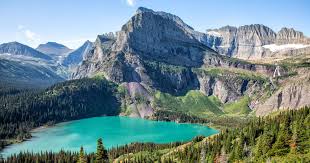
Environmental concerns are rapidly growing as research has shown that parks bear the brunt of global warming. At Joshua Tree National Park, located in California, warming temperatures are reducing the number of distinctive trees for which the park was named. As if matters couldn’t seem any worse, it is believed that mountain glaciers could disappear from Glacier National Park, located in northern Montana, by 2030.
Not only do National Parks face the consequences of technological transformation, but so do the landscapes surrounding the parks. Maschelle Zia, who works for the Glen Canyon National Recreation Area, said that social media is the number one driver for visitors. Kanarraville Falls, located one hour outside of Zion National Park, was once a hidden gem, but is now featured in countless Instagram posts. Rescue teams are constantly dispatched to find injured hikers and stream banks are filled with trash.
Kanarraville, in an attempt to maintain their landscape and the town itself, has begun charging a $9 fee per hiker. This fee has not helped reduce the amount of visitors, however, and the site is considering enforcing a daily limit on the amount of visitors permitted entrance. Kanarraville is only one town among many where tourism has taken its toll. Other parks are considering charging entrance fees and putting limits on the amount of visitors simply because maintenance is unable to keep up. There are some pros of charging higher fees as fees would alleviate crowding and allow for more funding for maintenance. However, there are also cons to charging. One argument against charging is that visitors feel as if they are being taxed twice since they are already paying for parks in income taxes. We need a more viable solution to protect the parks, not only to preserve the landscapes, but to safeguard wildlife and their habitats.
Newark Academy’s Month of Action is taking place from mid-January to mid-February. Many clubs are organizing meetings, letter writings, creating videos, and much more in order to spread awareness and take action on really important environmental issues including opposing the pipeline being built over indigenous land in Canada and Montana. While the activities that clubs are taking part in may not directly correlate with National Parks, it is important to remember that preserving the parks is a part of environmental conservation that needs attention too.
Leave a Reply
You must be logged in to post a comment.