By Nitya Gupta ‘23, Social Justice Writer
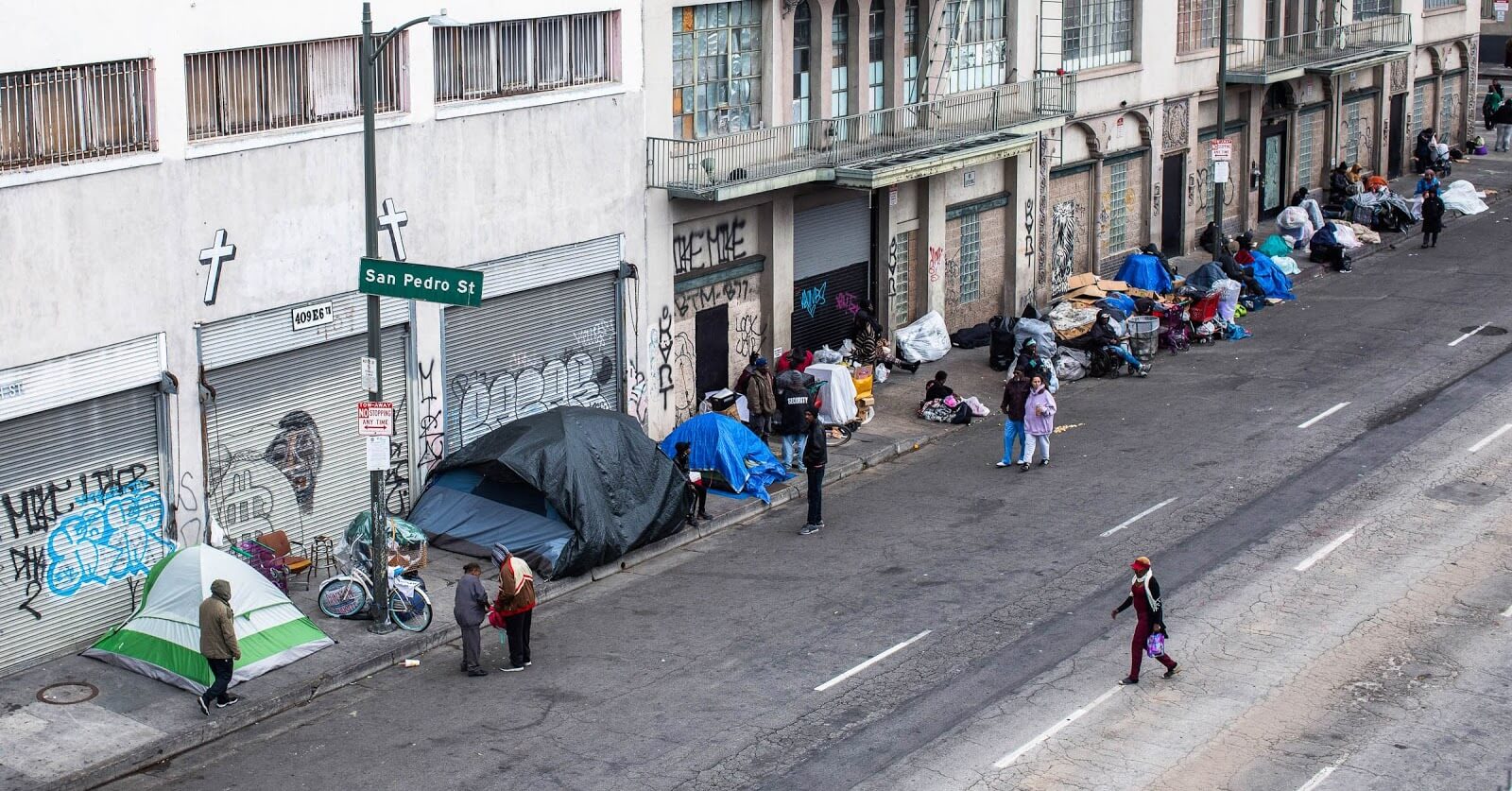
Since the beginning of the COVID-19 pandemic, stay-at-home and lockdown orders have been issued across the country in order to maintain social distancing and help people avoid close contact with others. However, staying inside poses a considerable challenge for the large populations of homeless people living on the streets with no place to go. People who are homeless are in some of the most vulnerable positions right now; however, they have been largely disregarded by local, state, and federal governments. At the start of the pandemic, researchers warned that out of the country’s estimated 568,000 homeless people, mostly racial minorities, at least 1,700 could eventually die from COVID-19. About a year later, the data gathered on this is limited, and the casualties have been massively undercounted, with the national count showing only 373 homeless deaths from COVID-19 reported from 18 cities/counties. The massive gap between expected and actual deaths leads experts to believe that there has been a large error in accounting for these deaths by government organizations and that the fatality count might be higher than projected.
What researchers do know is that homeless deaths tripled in San Francisco this spring compared to last year and rose 32% in Los Angeles and 54% in Washington D.C this year. New York City, the place with the highest population of homeless people in the country, set a new all-time record with 613 homeless people dying in 2020, a 52% increase from the prior year. Homeless individuals infected by COVID-19 are twice as likely to be hospitalized, two to four times as likely to require critical care, and two to three times more likely to die than the general population. These numbers, paired with the fact that shelters have closed or restricted capacity due to outbreaks, mean that the danger continues to grow for these people. The pandemic has also led to a decrease in social services and many have lost access to government programs that supplied them with food, water, and basic amenities. Now, researchers estimate that up to ten percent of the homeless community, nearly 56,800 people, will be hospitalized due to COVID-19.
Communities of color are overrepresented in the homeless population, with nearly 40% of people experiencing homelessness identifying as Black, 22 percent as Latinx, three percent as Native American, and two percent as Pacific Islander. In Chicago, Black residents make up 60% of the deaths due to COVID-19, while making up only 29% of the city’s population. In addition, African American and Latino children are more likely to live in households with high housing cost burdens and housing insecurity, leaving limited resources for families to address other necessities such as food, health care, and financial stability. The combination of all these factors is having a devastating effect on people of color, showing the necessity to dismantle the racist structures that allow these disparities to happen.
Racial justice activists and advocates for the homeless have been fighting to protect these vulnerable populations for years. They are calling for a temporary ban on sweeping encampments, seizing tents, and enforcing laws prohibiting sheltering in public space. Furthermore, rent relief and a ban on evictions need to be put into place so that the number of people losing their homes during the pandemic does not increase. Giselle Routhier, the Policy Director of the Coalition for the Homeless, released a statement that said: “We renew our plea: All homeless individuals should be offered a single-occupancy hotel room for the duration of the pandemic so that they can protect themselves from the increasingly infectious strains of the novel coronavirus that causes COVID-19. Moreover, the City, State, and Federal governments must recognize that housing is health care and provide the funding needed to reverse this devastating toll.” Some cities and towns have been proactive in tackling the current housing and public health crises. For example, San Diego opened its convention center as an emergency shelter, testing site, and meal distribution hub early in the year and sheltered about 2,780 homeless people. San Diego, and places like it, have shown that it is possible to address the needs of homeless people in this country. The rest of the nation needs to follow in their footsteps and ensure the safety of these people.
Leave a Reply
You must be logged in to post a comment.