By Kaya Patel ‘22, Arts and Entertainment Editor
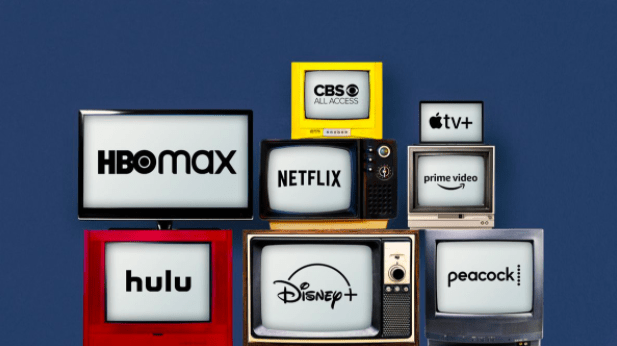
With more time at home in the past year than ever before, many of us resorted to TV to mitigate our boredom and escape our monotonous routine. The rise in streaming subscriptions over the past year accurately reflects this. In the past few months, several streaming companies surpassed key milestones, with Netflix exceeding 200 million subscribers and Disney Plus reaching 100 million subscribers after just a year and a half after its launch. Although streaming subscriptions and TV viewership are on the rise, the same cannot be said for traditional cable television. At the beginning of 2021, 27% of U.S households decided to abandon their cable service, which is almost double the 15% rate of cancellation experienced in 2020. This trend, which has been called “cord-cutting,” was exacerbated by the pandemic, and in 2020, only 28% of TV watched by Americans was on cable.
Generally, the biggest factor driving consumers away from cable companies is the cost. Chris Long, former DirectTV and AT&T Audience Network programming chief and current producer, notes, “At some point, people will make that decision of ‘I can get everything I want [in streaming]’. I no longer need to have 180 channels that I only watch 12 of.” Even with the average American household subscribing to three streaming services, which is triple what most households had just a few years ago, they only pay an average of $37 per month. To contrast, according to the Leichtman Research Group, the average U.S household pays a notably higher price of $107 per month for their cable. This year, many realized that they can get more for their money in streaming rather than cable. But this trend isn’t completely new. From 2010, the number of cable-owning households, known as pay-TV households, has dropped from 105 million to 82.9 million, and studies predict that by 2023, this number could be less than 72.7 million.
However, it’s important to note that not all stations are experiencing this pandemic decline in viewership. Food Network Channel and HGTV, for example, experienced major spikes in viewership since the start of the pandemic. From April 2019 to April 2020, Food Network’s ratings went up by 25%, and HGTV’s increased 22%. This may lead many cable services towards “unbundling” their channels. Instead of paying for hundreds of unused channels, many customers are calling for the opportunity to select specific channels that they want to create a cheaper hybrid version between cable and streaming. Some say that within the next ten years, cable providers will even convert to subscription services, allowing customers to pay based on the number and selection of channels they receive.
On the other hand, it’s possible that streaming services might pick up the rights for niche entertainment, including sports and home improvement channels, eliminating the need for cable altogether. The new Disney bundle is a great option for sports fans who want to abandon their cable because it includes Disney+, ESPN+ and Hulu all in one cost of $14 per month. Since cable brands now recognize that their best chance of survival is through streaming partnerships, many of them are placing their programs on established platforms, such as FX on Hulu and National Geographic on Disney Plus. Soon enough, it will be possible that everything you can get on cable television will be available on streaming platforms.
Unfortunately, the rights to specific content remains a significant challenge for streaming platforms. For example, Netflix lost the rights to one of its most popular shows, The Office, which will now be exclusively streaming on the NBC Universal service, Peacock. Thus, many services could follow NBC’s lead and hold onto the rights for their popular content. However, this hasn’t been entirely bad for streaming services who are focusing their efforts towards creating original content. In 2019, Netflix used 85% of its total spending, approximately $15 billion, to create original content. Additionally, Apple TV+ allocated $6 billion prior to the creation of its service and Disney Plus dedicated $1 billion to original content this past year as well. So while the future of cable as we know it will likely change, streaming services are bound to change as well as they focus their models on original content. While trends like “cord-cutting” and “unbundling” are gaining traction, especially during the pandemic, the future of TV and streaming is still unknown. We’re just in the beginning of a huge transformation within the TV industry. In order for traditional cable television to survive the transformation, it will need to find its place in this new era of streaming.
Leave a Reply
You must be logged in to post a comment.