By Ava Cole ‘22, News Editor
https://www.wsj.com/articles/migrants-mass-at-u-s-mexico-border-pinning-hopes-on-biden-11615978801
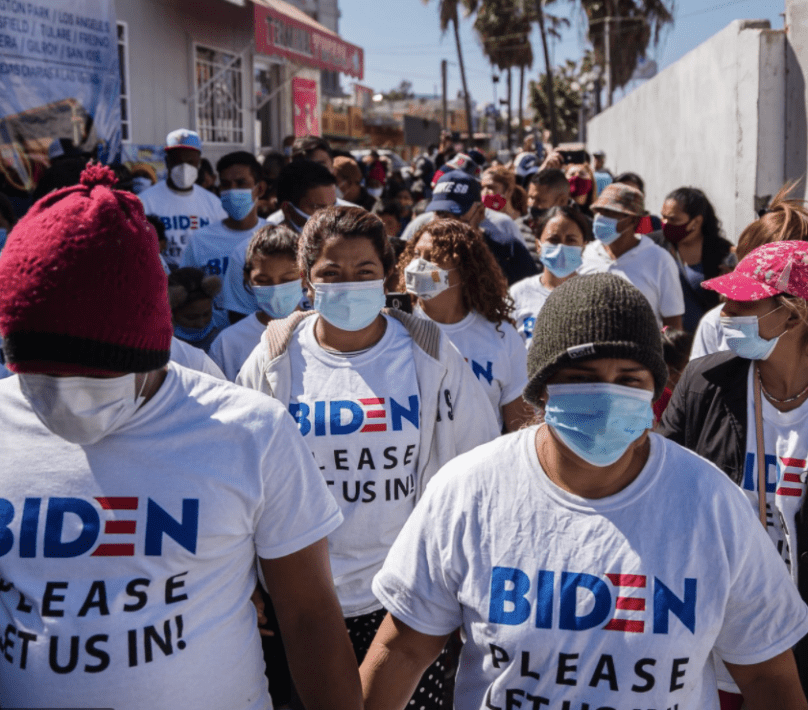
The United States is facing one of the biggest surges of migrants at the U.S-Mexico border in 20 years. According to data from U.S. Customs and Border Protection, U.S agents have arrested 171,000 migrants in the month of March alone, including more than 18,800 unaccompanied minors. But the Biden Administration is not the only administration to face a surge in mass migration to the U.S. In 2019, during Trump’s presidency, the number of migrants reached more than 144,000 in just the month of May, which many Americans also deemed a crisis. In 2009, during the Obama Administration, U.S. agents arrested more than 500,000 migrants. If the U.S. wants a long term solution to this border crisis, they must find an effective solution to the many critical issues in Central America that drive families from their homes.
A majority of migrants attempting to cross the border come from what is known as the Northern Triangle: Honduras, Guatemala, and El Salvador. With these countries facing challenges of gang violence, government corruption, transnational criminal organizations, and mass poverty, many of their citizens seek refuge and new opportunities in the U.S.. President Biden has acknowledged these issues as the root cause of the ongoing border crisis, but the necessary steps to combat them remain unclear.
Many believe Biden’s plan to contribute four billion dollars to the Northern Triangle region will empower corrupt government systems rather than fix them. These concerns stem from previous efforts to develop Central America; in the 1960s, the Alliance for Progress, initiated by John F. Kennedy, spent billions of dollars over the course of ten years in an attempt to bring democracy and economic stability to the Americas. These grants provided by the U.S. fell into the hands of powerful Latin American elites and did little to help the majority of its citizens. A similar alliance was created in 2014, known as the Alliance for Prosperity, that committed an initial 750 million dollars against violence and economic instability in Central America. Failing to address the complexities of law enforcement corruption and violence committed by local youth gangs, the creation of the Alliance for Prosperity saw a 160% increase in migrants at the border over the next five years.
So what’s different about Biden’s plan and, more importantly, will it work? Past efforts have shown that throwing money at the problem fails to create any lasting change, yet Biden’s four billion dollar proposal to aid Central America seems to be repeating history. But Biden has made it clear that problems like poverty and corruption do not simply disappear overnight–his plan will take time and, hopefully, yield results.
Leave a Reply
You must be logged in to post a comment.