
By Navyaa Jain ’23, Social Justice Editor
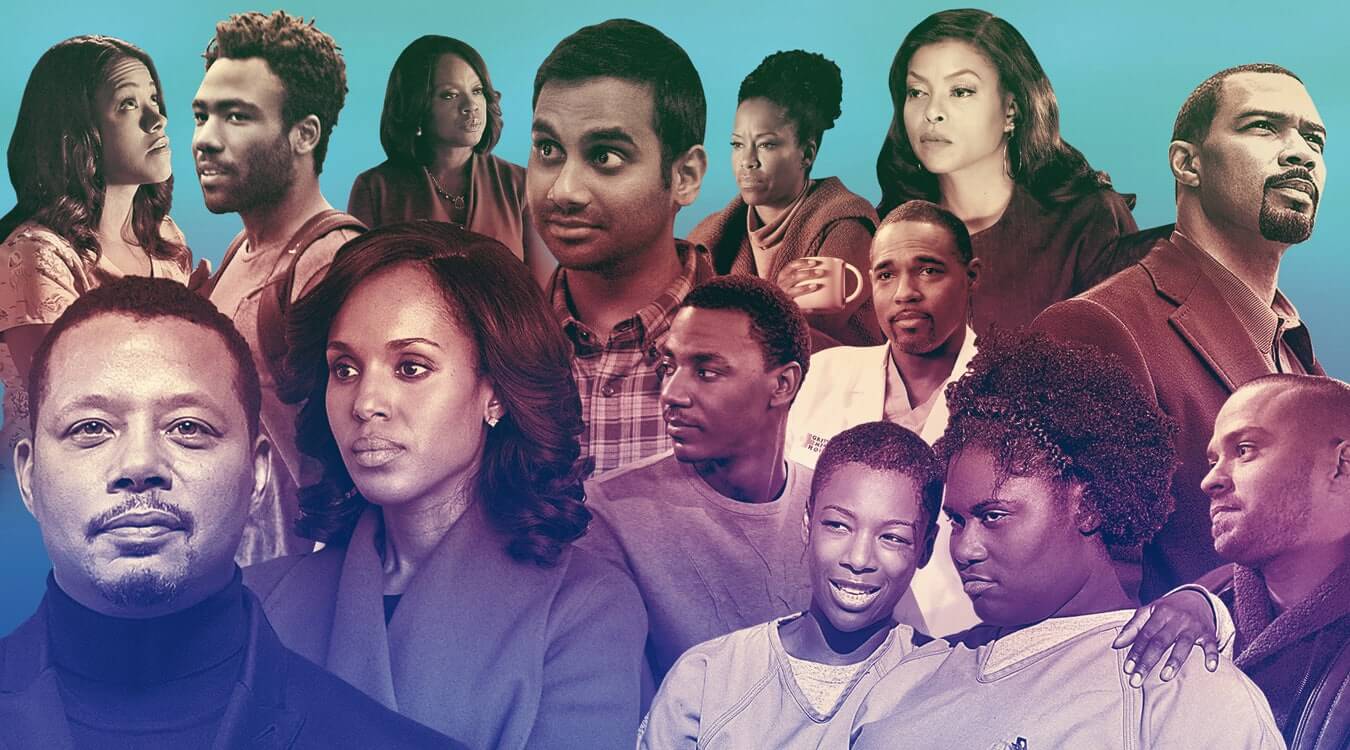
There is no question that diversity in media has been a contentious topic for years. Since the debate began in the 70s, Hollywood has seen significant improvements in the representation of diverse perspectives in media. However, as institutions within the industry continue to disproportionately place white and male characters as the central figures of television and film, it is obvious that there is still much more change needed. As Hollywood executives refuse to accept that current inclusivity improvements are not sufficient, there remains an overarching question: why does diversity in media, specifically TV shows, matter?
First, it is important to establish what diverse media means. Hollywood can look to TV shows, which have done significantly better than movies at representing the demographics of its viewers. TV has moved past the narrative that inclusivity means more racially, sexually, and religiously diverse characters supporting a white male lead. Shows like “Black-ish,” “Jane the Virgin,” and “Never Have I Ever,” are examples of shows that put unique and diverse characters at the front of the plot, making minorities the main focus rather than the “token diversity character.” Additionally, the characters’ stories do not center around being Black, Asian, or Latinx. In “Never Have I Ever,” being Indian is simply a part of the main character’s identity. Devi is put in situations that every other teenager faces in school, and being Indian is only a part of the background that shapes her unique perspective on the world. TV recognizes that diversity creates unique and exciting stories that move past the trite tropes and plotlines of the “average American family.” Out of the Top 300 most-watched programs, 92% feature a more diverse cast with stories highlighting women, LGBTQ+, POC, and more.
As children, our engagement with media is the driving argument for why diversity is crucial on screen. With children growing up in a more diverse America than ever before, it is important that they are exposed to content that represents the world they will interact with. Onnie Rogers, a researcher from Northwestern University, says that “media has a profound influence on how we see, understand, and treat people, especially those within and different from our own race or ethnicity. And this is no different for kids.” Diverse media teaches kids to be more culturally aware and open-minded from a young age about topics like race, gender, and representation. A study by Common Sense Media found that almost 6 in 10 parents say that their children have had conversations about diversity which were prompted by the media they consumed.
Because of the tremendous influence that diversity has on viewers, it is important that representation is not just prevalent, but also accurate. Even with increased representation, many diverse characters are not written by writers of the same background and perpetuate stereotypes. African American voice actors, for example, have spoken up about auditions where they are asked to sound more “urban,” a stereotypical black descriptor. Currently, characters of color in children’s TV shows are more likely to be depicted as violent and women are more likely to be sexualized. And although other shows have been able to develop characters who are separate from their race and sexuality, a majority of characters are whitewashed or continue to be defined by their “minority status,” preventing them from developing as their own characters. The need to end stereotyping in media emphasizes that inclusivity does not stop with actors, as proper diversity comes from writers and directors who are producing stories about their own experiences as women, minorities, etc.
Diversity benefits everyone, but executives have yet to learn that. They must understand that increasing diversity in media is not the end of white people on TV or the rise of “woke culture.” With new movies like Marvel Studios’ “Eternals,” which was slammed before its box office release for featuring a cast that was “too diverse,” it is overwhelmingly clear that sentiment against diversity in the media remains. Supporting diverse casts, watching media that showcases different perspectives, and engaging in discourse about representation is the only way to move past pop culture that relies on the white protagonist to run the story. More media, especially films, must break the mold and give us entertainment that matches the world we live in.
Leave a Reply
You must be logged in to post a comment.