By Penelope Jennings ‘22, Sports Writer
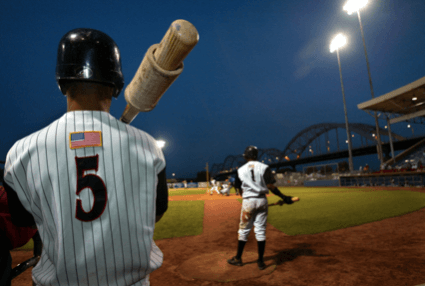
Image Courtesy of Judy Griesedieck/Star Tribune via Getty Images
Now that the World Series has ended and the Atlanta Braves’ celebrations have died down, the baseball world’s focus has shifted to the expiring CBA (Collective Bargaining Agreement) between MLB players and front offices. The CBA includes every rule relating to MLB gameplay, team operations, and player wages. Some examples of big issues for the current CBA negotiations are potential penalties for intentionally losing (tanking), expanded playoffs, and salary raises. If a new CBA is not agreed to by December 1, MLB will enter a lockout.
Though MiLB (Minor League Baseball) players are not included in the MLB CBA or in the MLB players union, discussion around increased salary and benefits for MLB players has helped bring MiLB rights issues into the spotlight.
MLB relies on extensive developmental minor league teams that help improve the skills of players so that they can advance to the major league. Between the 30 MLB teams, there are 120 total teams throughout different levels of the minor leagues and those players are not currently being paid living wages. Minor league players are paid weekly during the season (about five months of the year) and receive no pay in the offseason. So for a full minor league season, players in Triple A make a minimum of $14,700, Double A players make a minimum of $12,600, and Single A players make a minimum of $10,500. This is not nearly enough money for a full-year salary, especially considering that teams only give players a small amount of money to pay for meals, and they only get that money for away games. The poverty line for individuals in 2021 is set at $12,880, which means Double and Single A players making the minimum salary fall below the poverty line, and Triple A players barely clear it.
In contrast, the minimum salary in the AHL (American Hockey League), the NHL equivalent of Triple A, is $52,000 for the 2021-2022 season, and the G League, the NBA minor league, has a minimum salary of $35,000, which is significantly lower than that of the AHL, but is still more than double the Triple A salary minimum. AHL players also have their own CBA and are protected in the same union as NHL players, and G League players have their own CBA and union.
When MiLB players can’t support themselves on a career in baseball alone, they’re forced to pick up other jobs or face housing and food insecurity. Major League teams will be required to provide housing in the form of either stipends or set lodging for minor leaguers starting in the 2022 season, but this only alleviates some of the worry. Teams can afford to pay minor leaguers appropriate wages — they simply don’t care to. It is estimated that it will cost a major league club less than a million dollars to provide housing for all its minor leaguers for a whole season, and each minor league team is worth more than a billion dollars. Money is evidently not the issue.
MLB has actively worked against fair wages for minor leaguers. The league spent roughly $2.6 million over two years lobbying for the Save America’s Pastime Act, which exempts baseball players from the federal minimum wage. MLB is also the only major American sports league that has an antitrust exemption. Antitrust laws exist to prevent the monopolization of industries, and MLB’s exemption has allowed it to operate as the only professional baseball league in the country, leaving American minor leaguers with no other domestic options.
This is an issue that impacts nearly every professional baseball player in America, and those who hope to one day. Sure the stars of the game make millions of dollars a year, but essentially every single one of them was once a kid earning poverty wages in the minors; only 23 players ever have gone on a major league roster directly after being drafted, and most players spend at least two or three years playing in the minor leagues. Athletes are workers too, and these workers must unionize and show their collective power to the billionaire owners, as the owners have demonstrated for over a century that they won’t make changes unless forced to.
Leave a Reply
You must be logged in to post a comment.