Alyssa Rubin ‘23, Commentary Editor

Have you ever wondered why there is a corny genre title for the types of films that women, specifically teenage girls, enjoy but not an equally kitschy label for movies advertised to teenage boys? This lack of a term does not come from the absence of movies that garner a male-dominated audience; films like “Superbad,” “American Pie,” and “Project X” seem to be the male equivalent of chick flicks, yet they have no category to be sorted into. These films, although not praised for their quality or thought-provoking storylines, are not met with the same stereotypical reaction, “Ugh, I don’t want to watch a girly chick flick!” If both genders seem to have films marketed specifically toward them, why does society minimize the value of films advertised to teenage girls and women?
The general dismissal of chick flicks can be, in part, attributed to teenage girls holding little to no cultural capital in our society. Cultural capital is a sociological concept that characterizes a certain group or individual’s social assets and importance in a society or community. It’s hard to think of even one thing that, stereotypically, teenage girls enjoy and are not mocked for. Boy bands, TikTok dances, pop culture figures (e.g., Harry Styles and Taylor Swift), and shopping are only some of what society frowns upon as “things teenage girls like.” Society equates the activities and people that teenage girls enjoy with frivolity and unimportance, and unfortunately, chick flicks fall into that category. In contrast, products stereotypically marketed towards men, like superheroes, rap music, and sports, are considered “cool” and “in good taste.” When male critics review movies marketed toward women in an overly negative way due to the classification of a chick flick, the critics often drag down the public’s general opinion of the films as a whole. Nico Lang writes, “When the mass of male critics rate movies for women lower than women do, it has a powerful overall effect on how these films are received by the public, bringing down the average Tomatometer (ranking) of movies aimed at women by nearly six percent.” A large contrast between society’s perception of stereotypically feminine and masculine things often leads people to judge feminine pop culture artists, makeup, fashion, and chick flicks as superficial, mindless, and basic.
The problem with this mindset, however, is that chick flicks are, in fact, valuable. They often revolve around a single woman or group of female characters to promote empowerment and sisterhood. More often than not, the female leads are flawed, personable, and have realistic character traits and story arcs. Rather than rejecting femininity and stereotypically feminine things, these films embrace and take femininity in stride, playing into the pinkness, romance, and camaraderie of it all. For example, in “Legally Blonde” Elle Woods uses her femininity and kindness to her advantage when pursuing her law degree at Harvard, “The Devil Wears Prada’s” Andy learns the value of hard work while adopting the fashion industry and understanding that success and ruthlessness do not have to be synonymous, and “Mamma Mia” emphasizes the strength of female friendship and fun over decades. The light-hearted nature of these films is refreshing, and the stories praise women for their imperfections and femininity, rather than tear them down.
While many chick flicks are loved by many, they do have room for improvement. The most noticeable shortcoming of many of these films, specifically those from the 90s or early 2000s, is their lack of racial, sexual, and gender diversity. Additionally, romantic plotlines can fall prey to stereotypical gender roles like the “damsel in distress” trope or the “two women cattily fighting over one man” trope. Although these issues can be improved in future chick flicks, people do not need to abandon these films from the past. Instead, everyone should watch them through a more socially and culturally aware lens.
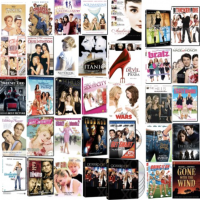
If you’re looking to grab some popcorn and sit down for a fun, lighthearted film, here are some of my favorite chick flicks: “Legally Blonde,” “How to Lose a Guy in 10 Days,” “10 Things I Hate About You,” “She’s the Man,” “Clueless,” “Mean Girls,” “Dirty Dancing,” “Pride and Prejudice,” “Easy A,” “The Devil Wears Prada,” “Princess Diaries” (1 & 2), “Freaky Friday,” “Bring It On,” “Crazy Rich Asians,” “Pitch Perfect,” “Parent Trap,” “Heathers,” and “Mamma Mia”. There are thousands of chick flicks to choose from so I suggest you give a few a try!
Leave a Reply
You must be logged in to post a comment.