By Zachary Gross ’14, Sports Editor
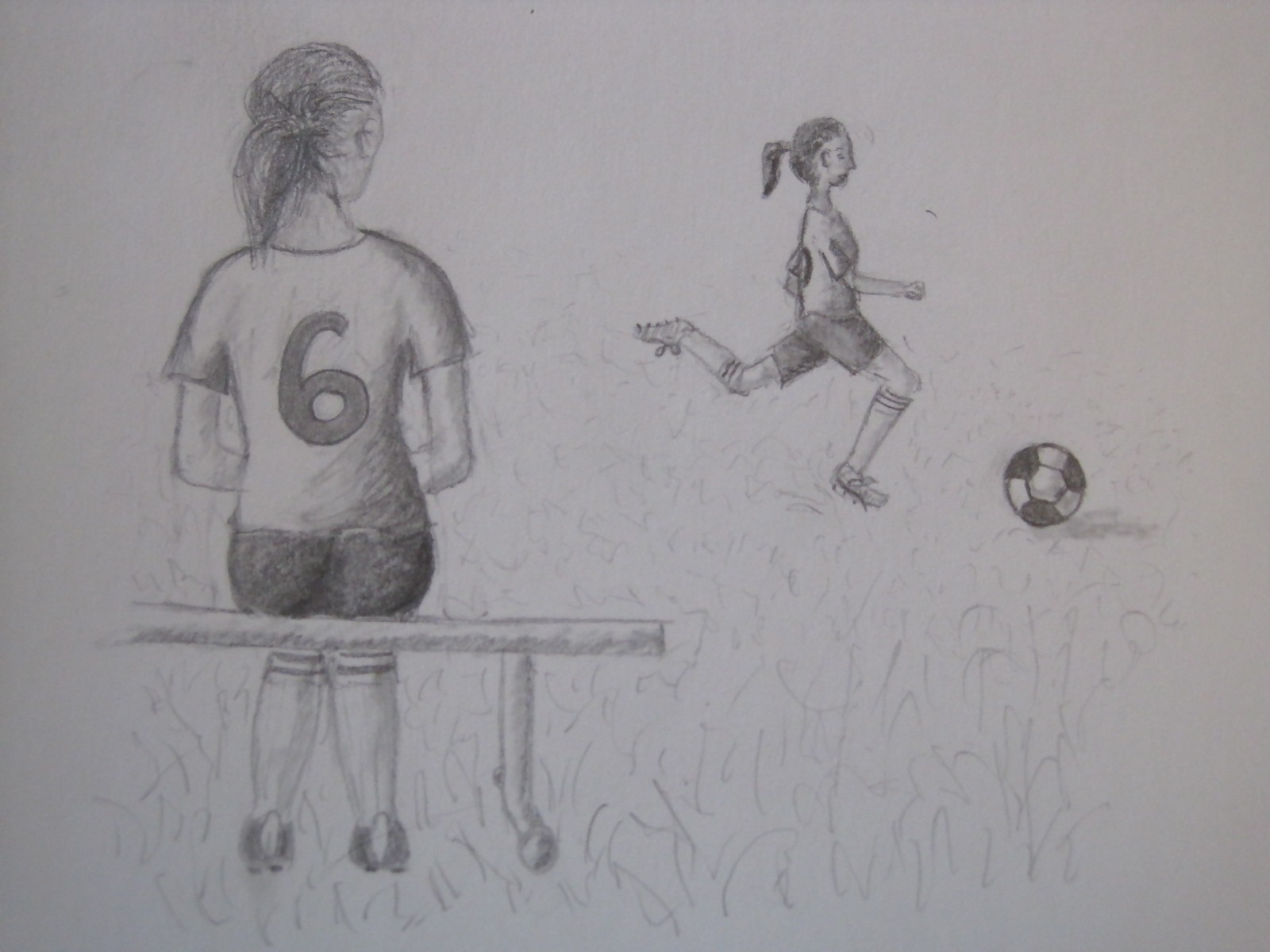
I am a Junior Varsity athlete in the truest sense of the word. I played two sports this year – soccer and baseball, both on JV. I am not the strongest, nor the fastest, but I still trot out there for practices and games day after day, week in and week out, much like my varsity counterparts. However, from my perspective as someone who has never played a second on varsity, the two teams have very different cultures.
JV teams are often more intimate than varsity. On JV baseball this year, we tend to run practice with around eight or nine guys, but it can fluctuate if someone has to go to band practice or a doctor’s appointment. That difference of one or two guys seems infinitely more noticeable on a squad of eight than a squad of twenty-two. If our first baseman is missing, for example, we might not be able to practice infield drills that day. Or if a midfielder goes down with an injury, half the team might have to try out a new position to make it work. In short, on JV, everybody makes a difference. This fosters a close bond of reliance on each one of your ten or twelve teammates that seems much more difficult to replicate at the varsity level.
Leadership at the JV level is significantly different than that at the varsity. Every varsity team has a set group of captains that set the culture, organize events, and keep the team together. Out of the two JV teams on which I have played, there haven’t been designated captains. Without a patch on their jersey, captains seem to arise more organically. Although juniors generally become the de facto leaders, it is not uncommon for sophomores or even freshmen to step up by keeping the team together and exhibiting leadership qualities. This balance is often complicated by the presence of “swing-players,” who play both JV and varsity games. In baseball, they practiced on varsity and played with JV. Since they were the best and most experienced players, we, often at our coach’s insistence, deferred to them as the leaders during our games. However, their leadership wasn’t the day in and day out constant that characterizes the JV season. Hence JV leadership comes from a variety of sources that have a variety of perspectives, much different from the singular voice of the captains on varsity.
Abraham Ratner ’15 who has played JV on both the soccer and baseball teams this year, agrees that the differences between the two levels are more subtle. He says, “the solidarity amongst the varsity team is easily matched by the brothers-in-victimization mentality that the JV exhibits.” Ratner agrees that leadership and culture on varsity are shaped more by the singular voice of the leaders; while on JV it is more so shaped from the team.
He also touches on a subtler note: varsity is a team, JV is a family.
Leave a Reply
You must be logged in to post a comment.