By Natalie Swanson ’13, Arts & Entertainment Editor
The door to the old photography room is locked and the bulletin boards sit bare. The middle school is expanding and as a result the dark room will be eliminated. This year a new digital photography class, taught by Ms. Dixler, has replaced the traditional film class.

Mr. Parlin’s class required a film camera and students learned how to develop their own photos with a step-by-step process in the dark room. In stark contrast to the film class, the new digital class uses modern technology like Adobe Lightroom Photoshop to develop photographs.
Mr. Parlin described the transition from traditional film photography to the modern age of digital cameras as a “tragedy,” and reminisced about the times when one used to buy a roll of film with maybe 10 photographs. Since the amount of photos you could take each day was limited, “You had to be selective and learn to frame pictures judiciously.”
“I like to see a greater aesthetic judgment in the initial taking of the photograph,” Mr. Parlin explained. “It disturbs me to see people with digital cameras shooting thousands of frames without considering what they see in the frame, looking at them quickly, and casually deleting.” Ms. Dixler is avoiding this issue by developing a “photographer’s eye” in each of her students.
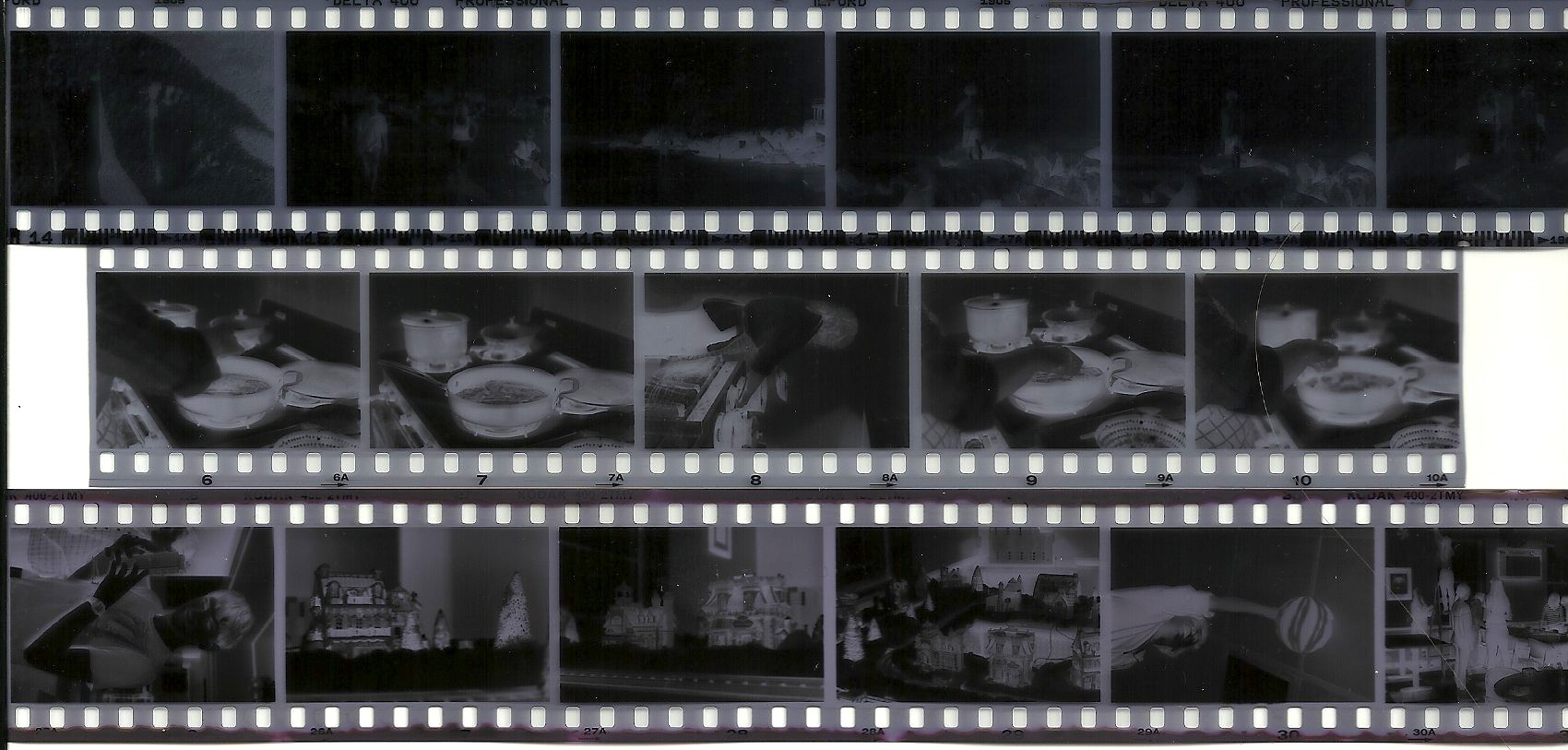
There is something unique about watching an image develop in the dark room that film photography veterans can attest to. Grace Thompson, a senior, took the photo film class last year. She reflected on her experience, saying, “When I watched a picture appear in front of my eyes in the dark room, it was almost magical. It was incredibly satisfying to see the end product knowing you worked hard to create the entire thing.”
David McGraw, a junior who also experienced Mr. Parlin’s class, gained an appreciation for the photographic image through the hands-on development process. He enthusiastically described the authenticity of the photos he took, and the film camera’s ability to make him carefully consider each of his photos. Mr. Parlin’s class influenced him to continue his photography beyond the film class. “I will continue to be in the dark room developing pictures until the day they take it down,” David proclaimed.
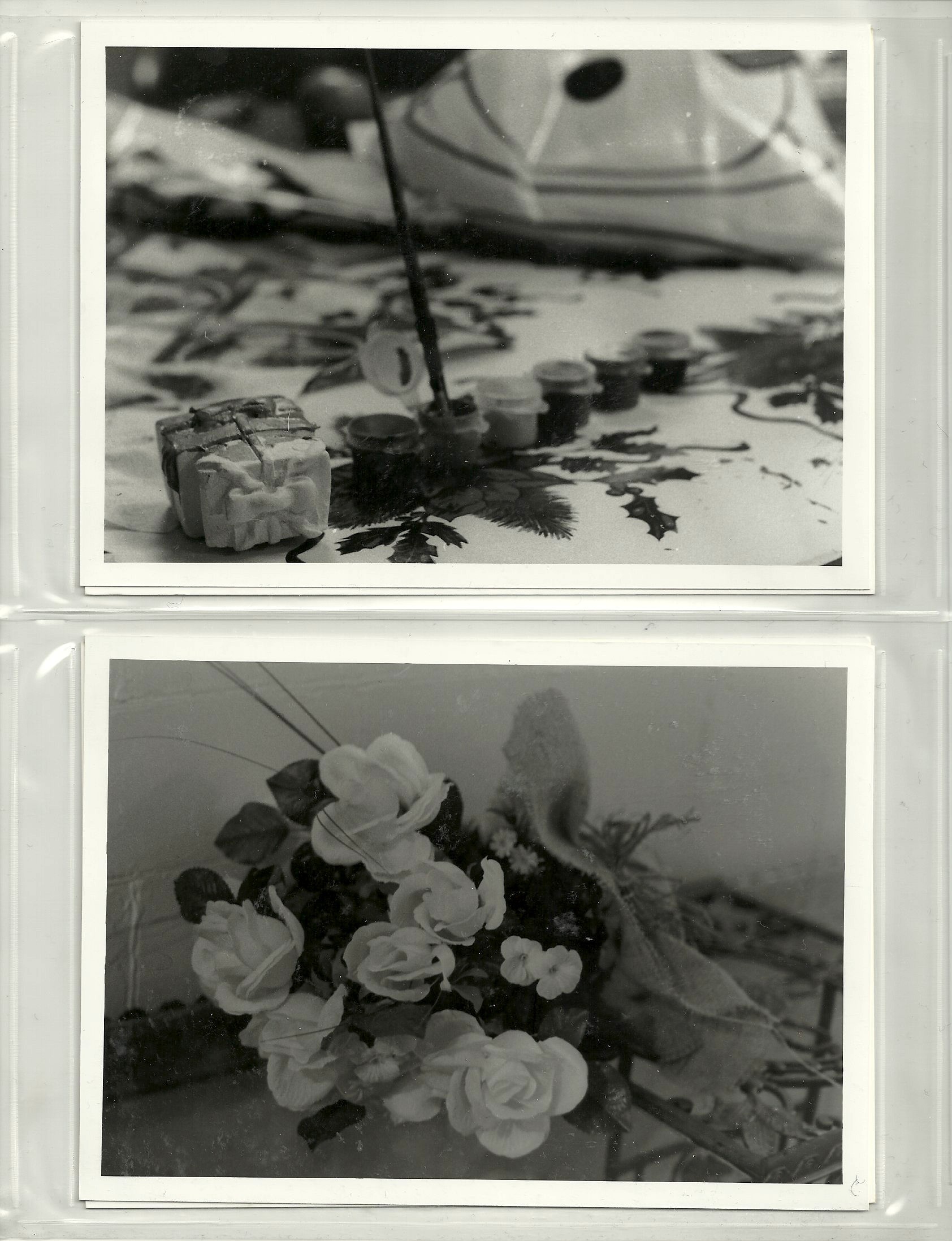
The striking black and white photos students produced were signature to the class. Black and white film is cost effective and the dark room was equipped only for this type of film. Mr. Parlin is most moved by powerful black and white photographs, as “one can be deceived by color.” Ms. Dixler agrees that black and white photos are very “pure”, and her students are learning to take digital photographs and convert them to grayscale. She has her students take the photos in color first so the “camera can’t make the choice” about which parts should be darker than others. The students manually convert the image to black and white with digital software, in which they can choose the tones from a wide range of colors.
The process of creating a photograph in the new digital class is similar to that of the film class. Ms. Dixler explained that the workflow in both “is pretty much the same. You have a vision, you have a concept, you have a task, and then you go out and take a picture of something that excites you”. She emphasized that she wants her students to slow down and think about the subjects of their work. Often, she assigns students to take 5 pictures of a certain object to focus on the quality of the images.
Recently, the digital photography students completed a project in which they shot 25 views of an object. The objects had to have a physical presence so that students could move around it to see it in different angles. Students were incredibly creative and took photos of socks, a skateboard, and even a pair of swimming goggles. Ms. Dixler plans to bring her students to the top of the school roof for their next photo shoot. “It’s all about learning from a new perspective!”
It is certainly exciting that Newark Academy is making the switch to the modern age of digital photography. Almost every Newark Academy student or teacher owns a digital camera, including Mr. Parlin. Regardless of the type of camera, Ms. Dixler pointed out that photography allows one to “see everyday things in new ways.”
Leave a Reply
You must be logged in to post a comment.