By Chris Paradis ‘16, Staff Writer

Pope Francis’ historic visit to the United States has sparked debate about the major social issues which he discussed. He had a strong focus on helping those in need. In New York City, he emphasized the need to support, “the foreigners, the children who go without schooling, those deprived of medical insurance, the homeless, the forgotten elderly. These people stand at the edges of our great avenues, in our streets, in deafening anonymity.” However, a controversy has arisen surrounding the logistics of the Pope’s travel. The Pope required extensive amounts of security within the three major U.S. cities that he visited: Washington D.C., New York City, and Philadelphia. He returned to Rome on September 27th, but the question that remains: who should pay for the extensive security required to protect the Pope?
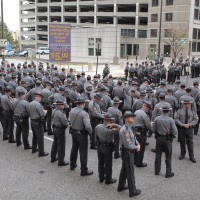
Prior to addressing some of the major arguments surrounding this question, it is helpful to understand the actual costs of the visit. Pope Francis first arrived in Washington D.C. on September 22nd.. His protection was a priority among the planners for this trip. Philadelphia estimated that it cost them nearly $12 million to provide security to the Pope during his time within the city. While D.C. and New York have not published a report of their full expenses, the $4.5 million that the government allocates annually to “national major holiday events” will clearly not suffice. The U.S. Government has not previously been transparent about the security expenses for hosting other prominent figures, such as the Dalai Lama and Israeli Prime Minister Benjamin Netanyahu. Questions arising around the cost of the Pope’s visit are relevant to other scenarios such as these, because American citizens do not know how much of their tax money is going towards security measures for political and religious figures that they might not support.
While fundraising may have been able to cut back on the deficit, it is clear that taxpayers will have to provide a large amount of the funding. In the opinion of Elias Neibart ’16, the direct use of taxpayer dollars to an event surrounding a specific religion is not necessarily fair. There is an amount designated by the federal government that ensures that the Secret Service keeps the world leaders who enter and leave the United States safe; however, the majority of the time that these visitors spend in the country becomes the responsibility of taxpayers. Some have suggested that instead, the Vatican should be charged to provide the majority of this funding. “I think the Catholic Church should step up and cover most, if not all, of the protection services associated with such,” says Mr. Bitler. This viewpoint supports the general argument that it is unfair for a disproportionate amount to pay for the Pope even though many either will not see the Pope, or do not affiliate themselves with Catholicism. On the other hand, many believe that covering the Pope’s security was a just means of government spending. The United States’ government provides security for diplomats and leaders visiting from around the world; would it have been just for the U.S. to back out simply because a leader was popular? Though most would agree that the Pope’s visit was a good thing, the question of who should bear its financial burden still remains highly debated.
Leave a Reply
You must be logged in to post a comment.