By Charles Pan ’18, Feature Editor
As February rolls in from around the corner, nearly twenty percent of the world’s population is already in the process of celebrating one of the most famous and historical traditions held annually: Chinese New Year. Falling at the end of the traditional lunisolar Chinese calendar, Chinese New Year, part of a larger celebration called the Spring Festival, spans 23 days and consists of activities ranging from red envelope-giving, firecrackers, parades, and dinners. The main two reasons for celebrating Chinese New Year is to commemorate a year of hard work and relax with family as well as to wish for a prosperous new year.

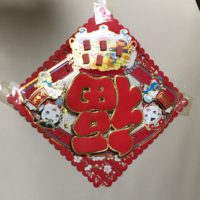
One of the most important features of the Chinese New Year is that each year is represented by a different animal, including a rat, ox, tiger, rabbit, dragon, snake, horse, goat, monkey, rooster, dog, and pig (the 2017 Lunar Year will be represented by the rooster). To celebrate the new year, many cultural activities are arranged. One of the most well-known traditions is decorating houses, streets, and buildings with the color red; the main color of the festival, red is an auspicious color in Chinese culture, leading for red lanterns, pictures, and decorations to be hung everywhere around China. In addition, like Christmas, those who celebrate Chinese New Year love to exchange gifts, the most common being the red envelope. Red envelopes, containing money, are given to children and retired seniors representing the gift of good luck to the recipient. Most important of all is the tradition of firecrackers, set off as soon as the New Year comes as a symbol of going out of the old year with a bang (quite literally) and going into the new year with a bang. The louder the firecrackers, the luckier the coming year will be for business and farming. There are also many other small superstitions followed by the Chinese, including no cleaning, no crying, no washing hair for the first few days as well as wearing red underwear (again, going back to the symbol of red).
Such a major holiday is not just celebrated by those in China but also the millions of Chinese around the world, especially the United States. In fact, many Newark Academy students of Chinese descent have grown up celebrating Chinese New Year every year. Some of these students have even called into question whether Newark Academy should give the day off to students on Chinese New Year, given the large number of people who celebrate. Lance Tan ’17, the president of Asian Diversity here at Newark Academy, commented, “While I get there’s a limited number of days in the school calendar, I know there’s a significant proportion of NA students who observe lunar new year, and having a holiday would be a really meaningful gesture. I live in Edison, and last year Edison public schools had a holiday on lunar new year so there are definitely communities in our area thinking about this.”
Lance’s opinion reflects the opinions of those with other backgrounds, too. Ryan Gajarawala ’18 reflects, “I think we should get days [like Chinese New Year and Diwali] off because they are important to our culture, as are other days we get off like Rosh Hashanah in other cultures.” Lance’s and Ryan’s sentiments are serious ones: the Newark Academy administration may want to seriously consider the proposal of giving students the day off on these major holidays.
Leave a Reply
You must be logged in to post a comment.