
by Jake McEvoy ’18 and Vicki Li ’18, Arts & Entertainment Editors
Cigarette usage has always been romanticized, particularly in the music industry. Smoking was seen as an imperative in creating a rebellious image for rock musicians. The addictive nature of smoking intertwined with the artistic process, providing a soothing act of relieving stress. Smoking, somehow, simultaneously relaxed and stimulated the mind. Even as the risks of lung cancer were exposed in later years, smoking retained its position in pop culture as “looking cool,” already too ingrained in media to properly extricate. However, today, we see a decline in smoking, but not a reduction in addiction. Vaping, juuling, and the use of e-cigarettes have emerged as a somewhat healthier alternative to using old-fashioned cigarettes. Customizable with sleek decals and exotically-flavored pods, despite their recent origination, Juuls have quickly entrenched themselves in social media. With the widespread publicization of vaping, its influence has rapidly trickled down into the youth demographic. Nevertheless, let’s delve more into the timeline of musicians who inadvertently started the vaping pandemic that we know today.
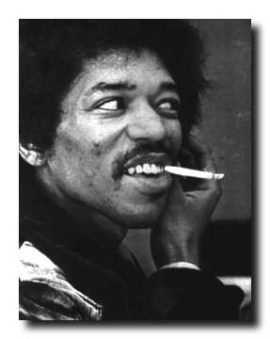
Whether people like it or not, since the 50’s, cigarettes have been a cultural staple of artists everywhere. The likes of John Lennon, Jimi Hendrix, and Jim Morrison iconized the cigarette in music, making it almost mandatory to be taking a drag while playing the guitar. According to the CDC, adult cigarette usage spiked in the ’60’s under this influence. Since then, there has been a general downward trend in adult cigarette dependence, as more and more artists came out to denounce smoking and the government imposed more regulations. While this adult trend may not come as a shock, teen usage of tobacco has remained uncertain.
In the late 90’s, with the popularization of grunge and alternative rock, cigarettes once again became almost mandatory for the “cool” musicians. Bands like Nirvana, Pearl Jam, Green Day and the Smashing Pumpkins entered the limelight and essentially picked up where Lennon, Hendrix, and Morrison had left off. While the adult smoking trend continued to steadily decline at 24%, teen usage skyrocketed and hit a high of 36% in the mid-90s. cigarette smoking once again became cool for these young people, and other than some types of gum, healthier alternatives weren’t very popular.
Since then, with the emergence of youth-targeted anti-smoking campaigns like Real Cost, cigarette usage among teens has declined. However, to the youth, tobacco has trended more like a fad, moving up and down often in tandem with pop culture’s indecisive infatuation with cigarettes.

Despite the rise in anti-smoking campaigns, we are seeing another – although smaller – resurgence of alternative music creeping its way into the mainstream ear. Much like Nirvana and Hendrix, popular artists like The 1975, Portugal. The Man and Brockhampton have appeared to continue to romanticize cigarettes, with multiple articles where the images include members of the band with cigarettes in hand. If you don’t believe us, look no further than Cage the Elephant’s popular song, Cigarette Daydreams. However, no other artist has brought as much prominence and romanticization to smoking than Mac Demarco. Demarco’s fame has climbed exponentially over the past few years, and cigarettes have remained one of the staples of his aesthetic. As they do in our modern times, memes have emerged to comment on this – a picture of a person shown smoking a cigarette dressed like Demarco is often captioned with “listens to Mac Demarco once.”
While history might point to an upward trend in cigarette usage as a result of this new wave of alternative rock that we haven’t seen since the 90’s, we don’t think we will. With the emergence and popularity of vaping and “juuling,” we think cigarette usage will only decline. Here’s our reasoning: As kids see their musical idols smoking cigarettes, they will inevitably – albeit less so than in the ’90’s – give smoking a try. After becoming hooked on the feeling, kids will take more notice of the anti-tobacco campaigns and almost certainly have second thoughts. With the availability of vaping products, it will now be easier than ever to put down the real cigarettes and pick up the electronic cigarette. Smoking is becoming cool again – but Juul is here to ease that.
A lightweight and stylish alternative, the Juul is compatible with the rapidly evolving electronic age of today. The question we must now answer is this: Will the Juul replace the cigarette not only in the addicted teen fan demographic, but also as a new icon of cool? Who’s to tell whether 10 years from now, we’ll be seeing the Juul, comfortably slotted between the lips of a suave rocker on the cover of Rolling Stone? But while the Juul may be looked at now as a supposedly healthier alternative to cigarettes, who’s to say, with more research, that nicotine vapor is even worse than cigarettes? We won’t know for sure until we really know. For right now however, to the nicotine-addicted music fans, the Juul is here to stay, and cigarettes may be on the way out.
Leave a Reply
You must be logged in to post a comment.