By Simon Gorbaty ‘19, News Editor
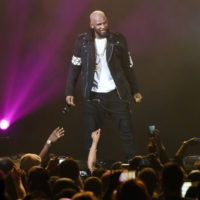
Following the conviction of Bill Cosby on three counts of indecent assault in late April, social media buzzed with excitement over who would be the next seemingly invincible celebrity to be taken down by the allegations of women speaking out. One name has stood out in recent weeks: R. Kelly.
The hit R&B singer typifies the notion of important cultural figures being bulletproof to accountability for misdemeanor, particularly sexual misconduct. R Kelly has settled lawsuits with accusers dating back to the 1990’s, and in 2008 was even acquitted of child pornography charges. More recently, a twenty-four-year-old woman reported in 2017 that she had had a sexual relationship with R Kelly while underage, which the latter has denied.
However, in recent weeks, the classical barricades of wealth, a dedicated team of employees, and an extremely loyal fan base seem to have come down for the singer in the face of pushback, largely spurred by the grassroots #MuteRKelly campaign. Having long since branched out of Hollywood, the larger #MeToo effect, which seeks to end the silence of victims to sexual assault, has now evidently penetrated into the music industry.
The Women of Color in Time’s Up – a group within the anti-sexual assault movement formed by Hollywood celebrities in January – posted an open letter on April 30th endorsing the #MuteRKelly campaign. They posted a letter that called for “appropriate investigations and inquiries into the allegations of R. Kelly’s abuse made by women of color and their families for over two decades now,” and insisted that corporations like Spotify and Apple with ties to R Kelly stand with the “safety and dignity of women of all kinds.”
Indeed, as of early May, Spotify has removed R Kelly’s music from its algorithmic recommendations, as part of the company’s new “Hate Content & Hateful Conduct” policy, and a scheduled R. Kelly performance in Chicago on May 5th had been cancelled. Protesters also demonstrated outside his show in Greensboro, North Carolina, on May 11th.
Nevertheless, Kelly still entertained audiences with a defiant performance in North Carolina. Earlier, his manager stated that “R. Kelly supports the pro-women goals of the Time’s Up movement,” and furthermore that “Mr. Kelly is the target of a greedy, conscious and malicious conspiracy to demean him, his family and the women with whom he spends his time.”
Despite this evidence of R. Kelly’s continued resistance, the protests, venue cancellations, and Spotify’s shifting policy that have followed the rise of #MuteRKelly are indicators of the virtual campaign’s influence on real actions to delegitimize R Kelly and expose his alleged sexually licentious actions against women throughout the years. As with Harvey Weinstein, there has as of yet been no fresh legal action taken against R Kelly. This common situation of the disreputed celebrities paints a stark depiction of the current societal trend: for better or for worse, accountability and repercussions are steadily moving away from being demanded on the legal stage of the courtroom to the social stage of virtual campaigning and ostracism.
Leave a Reply
You must be logged in to post a comment.