By Michael Pyo ’22, Staff Writer
Dressing up has been part of our culture for thousands of years. Whether dressing up for religious purposes, formal events, or orchestral concerts, people have followed a strict code and tradition that dictates what they wear. According to Business Insider, dressing up formally originated in Europe, with the valiant clothing of Kings and Queens. Decades after that, tuxedos were created in 1888 in Hudson Valley, NY. Tuxedos soon became clothing for the social elite, making it easy to distinguish between the social classes. Dresses soon came along, as well as bow ties and regular ties, all of which were used to show off status in society. Many people of higher wealth began to dress up formally and attend events such as the opera or orchestral concerts. The question we ask ourselves now is: In 2018, how have we changed our dress to align with society’s expectations? For instance, why do musicians still wear concert attire for performances, while many people at pop concerts dress casually?
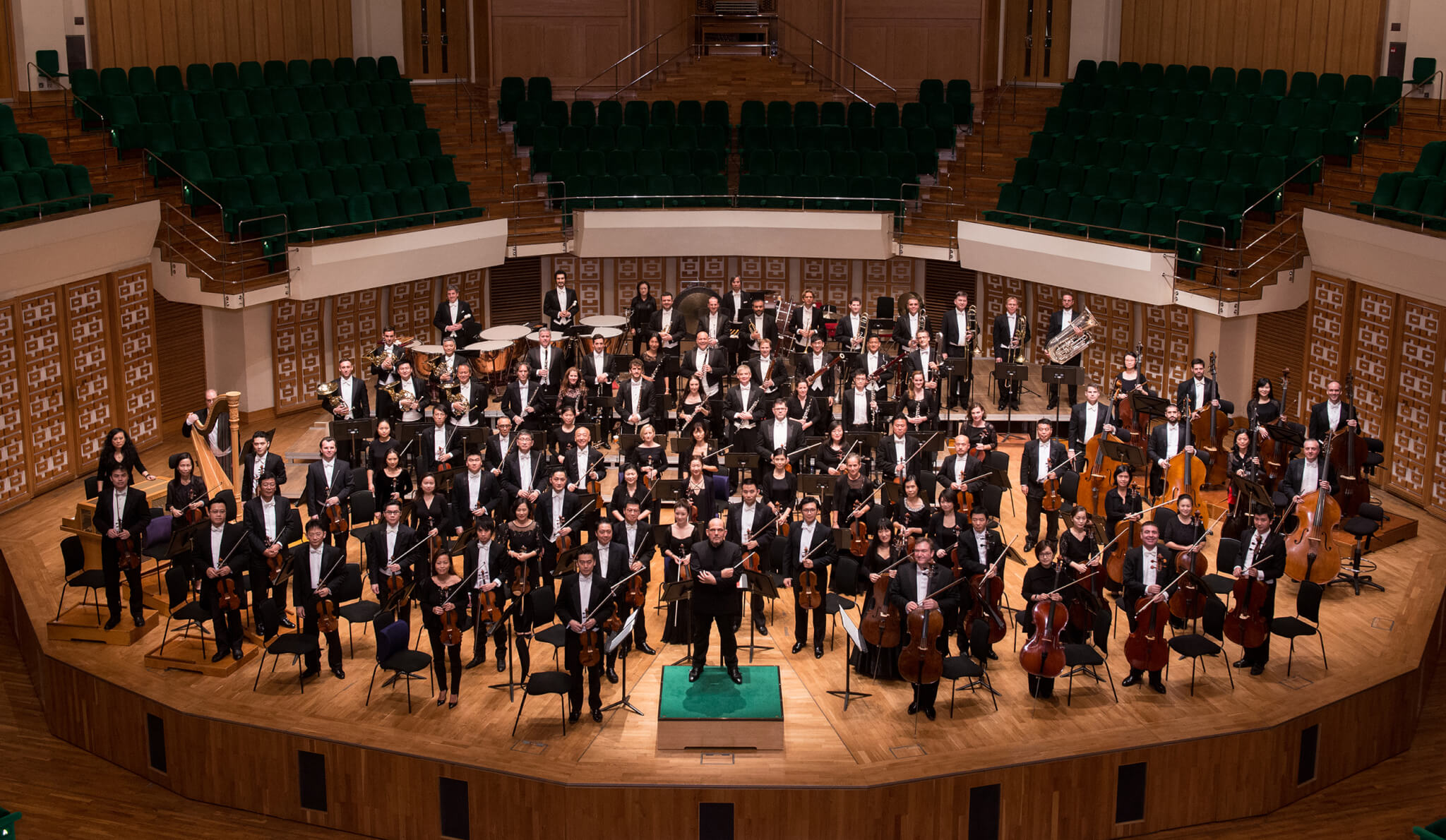
The dress code for orchestral concerts has not evolved significantly from its origin. According to Britannica, In the early days of orchestral concerts, going to orchestral concerts was not considered elegant or popular in society. Only peasants would end up watching performances because of the low status that those concerts brought to your name. Eventually, music was spread throughout Europe and became loved and cherished by many people of all statuses. The genre became so popular that people made fancier concert halls and stages for orchestras of all kinds to come and perform. As classical music became more and more popular, it became more restricted and privileged. This not only stopped peasants from watching performances, but also set higher standards for both the musicians and the audience.
As orchestral concerts have transitioned into the 21st century, more children are playing instruments due to the rise of popularity of classical music. I interviewed one of the best violinists at Newark Academy, Kristin Tsay ‘21, and asked her why she believes wearing concert attire is necessary for musicians performing in orchestral concerts. Kristin responded: “Other than that it is required, dressing up makes us look more professional and more uniform. In orchestra, you dress up to look the same and basically give the audience an aesthetically pleasing view during the concert.” As Kristen explained, conforming to the general dress of the orchestra allows everyone to feel uniform. Members of the orchestra feel more comfortable with other members wearing the same outfit as them. The audience also enjoys having a clean, fresh, unified look. This gives the audience a sense of professionalism due to the connotations of tuxedos and formal dresses. No successful person has been able to change the culture, which ultimately results in present and future orchestras continuing to follow the code. Personally, being a conductor’s son, I have experience from going to over 200 concerts in my 14-year lifespan. All of these experiences have exposed me to the strict culture and atmosphere that is connected to formal concerts.
In recent years, going to pop, rock, or alternative concerts has skyrocketed in popularity. According to Beats Media, these concerts have become more popular because of the revolutionary creation of rap/hip-hop music. Along with this, these large concerts can be tied to another popular event such as the Superbowl. Music Industry executives then saw the popularity of live performances, which then kick-started outdoor concerts such as Coachella or Panorama, two of the largest outdoor music festivals. Whether you’re going to watch Rich Brian or Lil Uzi Vert, the general impression screams casual. With these modern concerts, there is no negative stigma hanging around wearing casual clothing. Personally, I believe that being given the freedom to wear what you want results in wearing the clothes most comfortable for you. There is a huge difference between performing on a orchestral stage and being in the crowds of a Cardi B concert. There is no “dress to impress,” rather, the clothing is used for self-empowerment and confidence in who you are by rocking different types of clothing. In recent research conducted by TIME magazine, scientists have found a connection between what one wears and how they view themselves. For example, rolled up sleeves could suggest the person is a hard worker. These studies indicate how personal image can affect our daily lives, whether in music or in school.
We see how strong traditions can be, and how they affect the mindset of how people view themselves as musicians. With orchestral concerts, musicians use one another as a basis for feeling their best, when they are performing and creating and sharing music as a unit. With less formal concerts, the audience has the power to choose what they want to present to the public as they enjoy a simple night out. People can complain all they want about having to wear formal dress, but they conform with the group and perform in formal attire because at the end of the day, the music resonates louder than the dress.
Leave a Reply
You must be logged in to post a comment.