By Vikram Bala ‘20, News Editor
Reduce, reuse, recycle. You probably remember repeating these in elementary school, maybe having an assembly on the topic, or even spending a few classes on the subject of climate change. Warnings of the imminent destruction to Earth may have scared you, but after a few days there would be other, “more important” things.
On November 23nd (one day after Thanksgiving), the USGCRP (United States Global Change Research Program), a conglomerate program created by 13 U.S. agencies, published their latest report on the effects that climate change will have on the U.S.. However, this is not the first report the USGCRP has published. In fact, the USGCRP publishes multiple NCA’s (national climate assessments) every year, so why is the report published this past November so groundbreaking? It’s a matter of impact. News headlines around the country stated something along the lines of: “Climate change will shrink US economy and kill thousands, government report warns” (CNN). According to the New York TImes, NCA’s, which are mandated by Congress, deliver conclusions in a blunt and straightforward manner, and are known for their precision in calculation and prediction. This latest report describes a dire future in which crop production shrinks to levels observed in the 1980’s, heat waves cause a huge loss in labor hours, and mosquito and tick borne diseases increase in number. Need more evidence to understand the severity of the situation? Let’s look at the ways the report claims climate change will affect our future.
Health: The last thing we have when all material goods are gone is our health. According to CNN, climate change will cause higher temperatures, the report detailing that the midwest will see the largest increase in extreme temperature. More frequent heat waves will hurt many laborers, whose hours will have to be reduced in order to prevent major deterioration to their health. “Analyses of hospital admissions, emergency room visits, or emergency medical services calls show that hot days are associated with an increase in heat-related illnesses, including cardiovascular and respiratory complications, renal failure, electrolyte imbalance, kidney stones, negative impacts on fetal health, and preterm birth” (NCA 4, 2018, Ch 14, KM 1). However, an increase in temperature affects more than just our health.
Economy: Climate change has the ability to disrupt trade beyond the control of any trade treaty. With increased flooding, manufacturing infrastructure stands at risk, and if destroyed, could cost a company hundreds of millions of dollars in losses. WD’s (Western Digital, one of the largest producers of hard drives) manufacturing plant in Thailand sustained much damage due to extreme flooding in 2011. NYT explains that not only did the subsequent shortage in hard drives affect prices for individual drives, but it affected prices for computers from makers like Apple, Dell, and HP (NYT). In addition, “impacts on foreign-owned infrastructure, services, and resources can have indirect impacts on U.S. trade and businesses that rely on those assets and services, such as impacts on overseas energy and water utilities in places where U.S. international businesses are located” (NCA 4, 2018, Ch 16, KM 1).
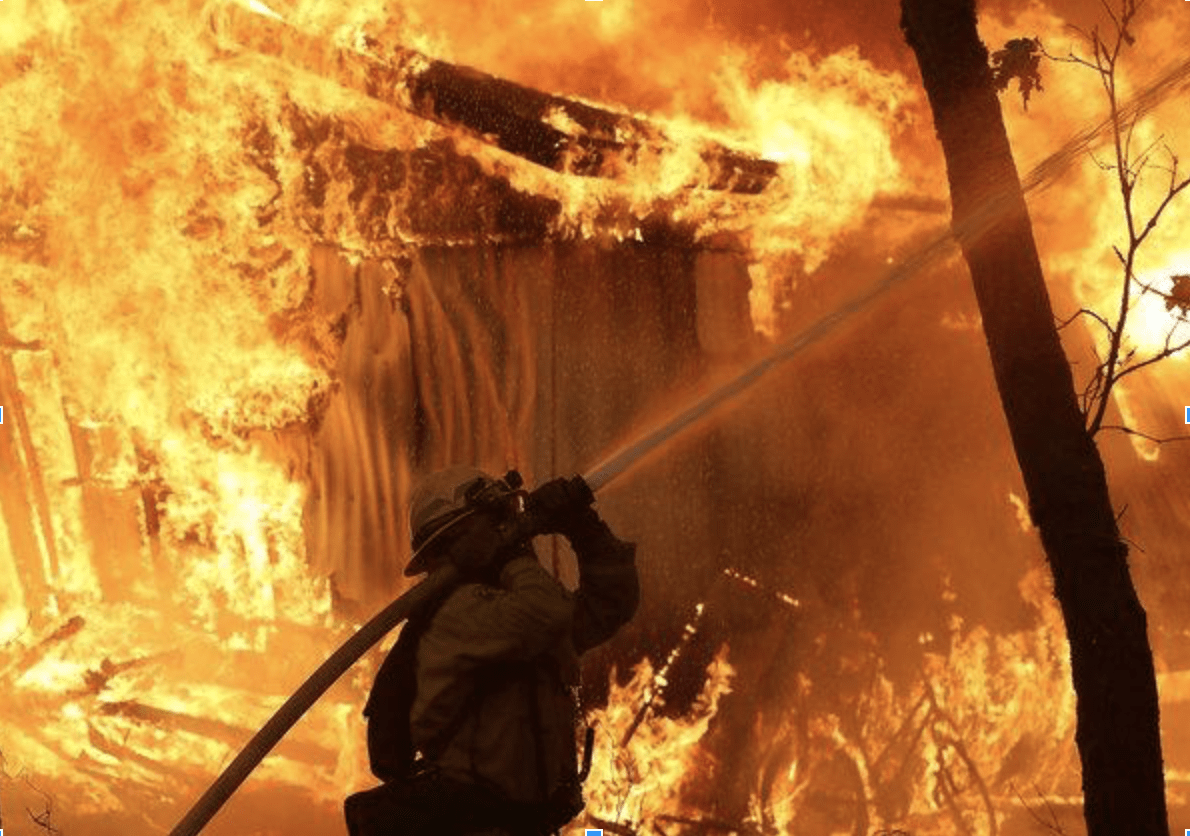
Agriculture: When temperatures rise,, droughts and wildfires will increase too, threatening the efficiency and productivity of American farmers (NYT). The health of livestock is in jeopardy too, not only because of drought or fire, but because of flooding and extreme downpour. Climate change is the normalization of extremes: taking what was once a rare occurrence, and making it more common. Rural communities often solely depend on their agricultural economy. Considering that many farming communities already struggle to make profit from the yearly harvest, climate change will only exacerbate their struggle. This could lead to population shifts and migrations from rural to urban areas at higher rates than what is currently being recorded (NCA 4, 2018, Ch 10, State of Sector).
It’s evident that climate change will affect our future, and is a burden that our generation will be responsible for resolving. Peter Swope ‘20 explains: “Failing to act on climate change would be blatantly ignorant of indisputable facts. Though it may already be too late, we must act now in an attempt to alter the trajectory we’ve set ourselves upon.” The USGCRP is doing their job by informing the public of the looming effects of climate change. However, it is up to us to act on these reports, rather than stand by.
Sources:
- https://www.globalchange.gov
- https://nca2018.globalchange.gov
- https://www.nytimes.com/2018/11/23/climate/us-climate-report.html?action=click&module=Top%20Stories&pgtype=Homepage
- https://www.usatoday.com/story/news/nation/2018/11/23/climate-change-intensifying-economy-impacted-federal-report-finds/2093291002/
- https://www.cnn.com/2018/11/23/health/climate-change-report-bn/index.html
Leave a Reply
You must be logged in to post a comment.