By Annika Inampudi ’21, Commentary Editor

Image courtesy of: https://numberworksnwords.com
Extracurriculars: they seem to be the bane of the high school student’s existence. I mean, outwardly, it feels counterintuitive that students would stay at school after their classes are over, but Newark Academy after 2:30 is filled with hundreds of students getting ready for sports practices, brainstorming fundraising ideas for their clubs, or rehearsing for a musical performance. According to the Census Bureau, 57% of students participate in some sort of extracurricular activity. For many, extracurricular activities are simply a fact of high school experience.
With so many students able to fill the entire “Activities” section of the Common Application, it’s hard to distinguish yourself. In the past year, the coronavirus pandemic has made this task exponentially more difficult, cutting sports practices and academic competitions alike. You can’t exactly play lacrosse virtually. But, high school students, if anything, are innovative. Over quarantine, I’ve been noticing a dramatic increase in entirely online youth organizations, run by teens, for teens. I mean, just search up “Gen Z” in your Instagram search bar.
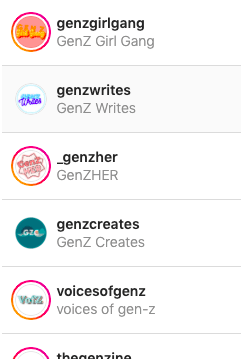
In a way, the Internet has greatly democratized the world of extracurriculars. There’s always been an “activity gap” between high and low income students. Clubs and activities are costly—Model Congress trips at Newark Academy cost $500 alone. Even disregarding the money, extracurriculars often require parents to invest significant time and energy, which low-income families are unable to do. However, creating an Instagram is free, and easy to do from the comfort of your own home. Simply through direct message, you can become the poetry editor for a literary magazine, the creative director of an activist collective, or the outreach ambassador of a charity.
But the Internet isn’t a blanket fix. Many regard these teen-led start-ups as shallow grabs at a decent college resume. Is another Instagram account with a swipe through graphic about cultural appropriation going to help “solve” racism? Furthermore, teens in search of leadership titles, opt to create their own non-profits instead of volunteering for an established NGO. Wouldn’t you make a bigger difference working for Amnesty International than Voices of Gen Z? The efficacy of these organizations call into question the motive of these teens. Some of these accounts and websites sit, created but defunct, like unfinished buildings crushed by the weight of their own ambition.
“On the surface, nonprofits that are truly effective and the ones that pad resumes seem similar to most. They might share similar goals, similar modes of action, even similar measures of impact,” Molly Cantillon ‘21, founder of Techshare, a teen led non-profit that introduces STEM into underprivileged areas, says, “But, the difference lies fundamentally in the people behind the organization. Are they truly passionate about creating change and furthering their movement? Do they gauge impact in a multitude of ways, always valuing the experiences and testimonials of those impacted, or is the focus simply on numbers?”
“I believe it all comes down to enjoyment of your work. For me, Techshare has always felt like a break from work and a place to feel good about helping others. If someone truly enjoys their work, it will shine through in their purpose, team, and success.”
And I think that’s all anybody truly asks of a good extracurricular. Why ask teenagers to spend hundreds of hours of their time in organizations that they don’t even like? High school is a time for experimentation, a place to find your own identity. If you love it, start that magazine, create that non-profit, begin that youth organization. But ask yourself what you want from it, and what you’re willing to do to help it become a success, because going online isn’t the easy way out.
Leave a Reply
You must be logged in to post a comment.