By Molly Lindstrom ‘21, A&E Editor

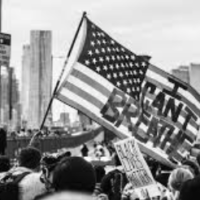
In response to the racial injustice that has surfaced in the United States, members of the arts and entertainment industries have taken initiative to combat the police brutality that caused the deaths of George Floyd, Breonna Taylor, Ahmaud Arbery, and others. As the nation mourns and protests these unjust losses, many have turned to popular corporations and celebrities to use their platforms for the amplification of our nation’s suppressed voices.
One of these widespread initiatives was known as #BlackOutTuesday, an attempt to express solidarity with Black voices on social media established by two Black women who work in the music industry. While many well-known artists and entertainment figures, including Oprah Winfrey and Jennifer Lopez, took part in this movement by posting black squares on their Instagrams, other celebrities publicly criticized the effort and its efficacy. Rapper Lil Nas X responded to the movement on Twitter, stating “What if we posted donation and petitions links on Instagram all at the same time instead of pitch black images.” This movement drove many to question the sincerity and empathy of large-scale names and corporations, including artist The Weeknd who urged large music labels to act, posting “No one profits off of Black music more than the labels and streaming services. It would mean the world to me and the community if you can join us on this.”
It appears that corporations have taken The Weeknd’s advice, as several record labels have begun to confront racial inequality by speaking out and through donations. Universal Music Group established its own “Task Force for Meaningful Change” which will split a fund of $25 million between aid/charitable giving, global initiatives, internal/institutional change, legislative/public policy, partners, and programming/curation. Sony Music Group and Warner Music Group have also become engaged in the fight, announcing that they will each launch $100 million funds towards supporting anti-racist initiatives. Sony Music additionally declared that they would institute company-wide unconscious-bias training for its employees. In this statement, Chairman Rob Stringer expressed, “Racial injustice is a global issue that affects our artists, songwriters, our people and of course society at large.” Music streaming services have followed suit in donating to organizations centered around ending racial injustice. YouTube took action by gathering influential figures and activists for musical performances and discussions on racial justice issues, known as “Bear Witness, Take Action”. Spotify and Apple Music also created a selection of playlists to commemorate Black artists. Additionally, Spotify added an eight minute and forty-six second moment of silence to the playlist to reflect the amount of time George Floyd was pinned down on his neck by a police officer, resulting in his death.
The television industry has begun to amplify Black perspectives as well. Netflix developed a special Black Lives Matter section of documentaries, films, and series in order to promote the education on racial injustice in America. Amazon established a similar section on Amazon Prime, called “Black History, Hardship & Hope.” In addition, television streaming services have discreeetly removed racially offensive shows and films, including Gone With the Wind, which was pulled by HBO Max because of what the streaming platform referred to as “racial depictions” that “were wrong then and are wrong today”. Hollywood has also undergone reflective change on the systemic racism that has been embedded in the entertainment industry for too long, paying more attention than ever to its Black representation. New guidelines have been established for Oscar nomination eligibility to ensure a more diverse representation of nominees, finally addressing the #OscarsSoWhite movement that flooded the media five years ago. Moving forward, a film nominated for an Oscar must meet certain diversity criteria in at least two of the following four areas: “On Screen Representation, Themes, and Narratives”, “Creative Leadership and Project Team”, “Industry Access and Opportunities”, and “Audience Development”.
Social media has been a place for Black actors and actresses to articulate their perspectives and experiences on the industry’s issue with diversity. One of these actresses is former “Glee” star Amber Riley, who exposed personal racist experiences on set and created a social media movement known as #unMUTEny. As Riley explained, “We need to address why the Black experience is diminished when it comes to telling you what happened, why we’re not believed, why we feel afraid for our jobs, why we feel disposable.” These words extend beyond the Black experience in Hollywood. Rather, they are relevant to every single Black experience in America.
While the donations and initiatives taken by members of the arts and entertainment industries are a step in the right direction, there is still so much work that must be done to achieve racial equality. In order to implement systemic change, all of the industries’ corporations must make an effort to equally compensate and hire more Black employees in positions of power, reimagine advertising to omit racist undertones, and offer opportunities for Black people to be seen and heard. Only then can we begin to invoke substantial change.
Leave a Reply
You must be logged in to post a comment.