By Lauren Siegel ‘23, Arts and Entertainment Staff Writer

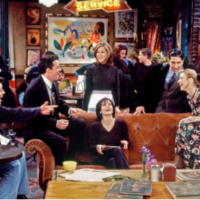
Image courtesy of vulture.com
If you take a look at comedy television throughout the last seven decades, the one aspect that has remained constant is the sound of laughter, regardless if it’s by the characters or the audience. When the television classic I Love Lucy became the first scripted show to include a live studio audience, the producer’s intention was to create the theatrical experience from home. Following the show’s massive success, other programs also started to adopt this live audience format. However, these programs soon realized that their audiences weren’t always producing the level of desired response. That’s where Charley Douglass’s invention of the Laff Box came in. His contraption used pre-existing programs to generate artificial laughter, and television producers soon started to use the Laff Box to enhance their own audience reactions.
As time went by and the Laff Box, whose output soon became known as the laugh track, became more popularly integrated into the sitcom landscape, comedy writers started to change the pacing of their own shows in order to leave space for the audience to react. As seen through smash-hit sitcoms like Cheers, Golden Girls, Seinfeld, and Friends, the laugh track created a new type of comedy that relied on produced laughter to heighten the impact of every joke, punchline, and pratfall. And, if ratings were any indication, this format proved to be wildly successful on its viewers. However, in the 1990s and 2000s, there was a shift in the public perception of this technique. People started to view the laugh track as unsophisticated and somewhat lazy, and a new age of comedy that rejected the laugh track format rose to prominence with programs like The Office, Curb Your Enthusiasm, and Arrested Development.
Comedy writers were, for the most part, pleased with this switch, claiming it freed them from the constricting rhythm of a traditional laugh track sitcom. Writers could now squeeze as many subtle jokes and details of character development into a scene as possible and not be bogged down by having to pause for laughter. Yet, other programs still persisted with the laugh track, and while some shows like Big Bang Theory have been criticized for their harmful overuse of this technique, other sitcoms like One Day at a Time and How I Met Your Mother have emerged successful.
With the always shifting comedy landscape, one important question remains: is the laugh track actually effective? Well, as Dartmouth College psychology professor Bill Kelley remarked during his study on the brain’s responses to humor: “We’re much more likely to laugh at something funny in the presence of other people.” Hearing others laugh in response to something you’re watching creates a communal experience for the viewers and encourages them to laugh along, or at least be more receptive to the jokes presented. Consistently high ratings indicate that laugh-track style programs are far from fading into obscurity. In fact, CBS is releasing a new laugh track sitcom, B Positive, this November. Even though non-laugh track comedies may allow for more complexity and clever humor then the average sitcom, we will always be compelled by the laugh track format for its communal experience and nostalgia.
Leave a Reply
You must be logged in to post a comment.