Gina Schreier ‘26, News Staff Writer

Image Courtesy of CBS 8
Checking your candy on Halloween night was more important this year than ever before.
Instead of the usual Halloween candy concerns, this year’s uneasiness was largely surrounding a drug called fentanyl. Fentanyl is a synthetic opioid that is 50-100 times stronger than morphine. It is used as a prescription drug for patients with severe and chronic pain, but is produced and distributed illegally. Fentanyl is highly addictive, and many drug dealers have recently begun to mix fentanyl with other drugs such as heroin, cocaine, and methamphetamine. Two milligrams of fentanyl, which is roughly the same amount as 10-15 grains of salt, is a potentially lethal dose.
In recent months, overdoses and deaths caused by fentanyl have risen rapidly. A study done by the CDC found that 67 percent of drug overdoses and poisonings in the United States in 2021 involved synthetic fentanyl. Other than the fact that fentanyl is highly addictive, there are many different reasons that it contributes to such a large number of these cases. Fentanyl is sold in many different forms and is often mixed with many other drugs, which makes it hard to recognize. In many cases of fentanyl-related overdose or death, the person who ingested the drug was not even aware that it contained fentanyl.
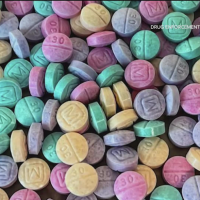
In the weeks surrounding Halloween, when much more candy was being purchased and consumed than usual, this situation was especially concerning. Fears were higher than normal around this time because drug cartels have found ways to make fentanyl look like candy. “Rainbow” fentanyl comes in many different shapes and colors, which causes people to mistake it for candy. Drug cartels have developed rainbow fentanyl primarily to target children and young adults.
However, most experts say that finding fentanyl in Halloween candy has not been a frequent concern. The real issue is young people ingesting rainbow fentanyl under the impression that it is candy or another type of drug. In both cases, kids and young adults are clearly being targeted with this deadly substance.
Ms. Neary, one of the nurses at NA, explained how kids are consuming fentanyl without even knowing it: “Fentanyl is being sold to our young looking like Skittles and Smarties. Parents and kids need to be aware to avoid an accidental overdose which is proving to be fatal for many young people.”
While this situation might seem alarming, there are things you can do to help yourself and those around you. Since fentanyl comes in many shapes and colors, it can be helpful to get familiar with what some of the common versions look like. The DEA urges anyone who comes into contact with fentanyl not to handle it and instead call 911.
Although Halloween has passed, the danger that young people face from fentanyl has not. If more people in our community are aware of this issue, then we can all do our best to look out for each other.
Leave a Reply
You must be logged in to post a comment.