By Jake Cohen ’14
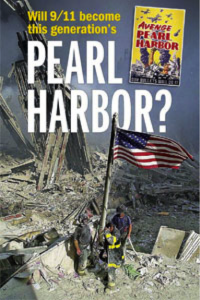
The attack on Pearl Harbor was the most devastating attack on American soil since the civil war. Over 2,000 Americans were killed in an event that would forever change the world. As we fast approach the 70th anniversary of this attack, it is important to not only mourn, not only remember, but to examine the legacy of this tremendous event.
FDR’s speech on December 8th epitomizes the American psyche at the time. It was impossible to find an American in the 1940’s that did not know the meaning of this “date that will live in infamy.” In World War II America, it was a date that every citizen remembered.
When somebody says “9/11” today, every American will know exactly what is meant. The terrorist attacks of that day in 2001 were the first acts of war on American soil since Pearl Harbor. In today’s society these attacks are recent, close to home, and affected the most fundamental aspects of our way of life. It seems impossible to envision a world where the date “9/11” may not be so important, so well known. Today, we are so close to the event that we cannot picture this alternate reality, just as the Americans of 1951 could not picture a world without the bombing at Pearl Harbor.
Now, only 70 years after one of the most important events in our history, we are forgetting that infamous date. In a survey conducted at NA asking 45 students “what happened on December 7th, 1941?” 2/3 of the students did not know. With a spectrum of answers that ranged from “your birthday?” to “World War One?” to “I could care less what happened then,” it is evident how “in-famous” this date has really become.
The importance of Pearl Harbor on world history through today is massive. Not only did the event prompt American involvement in a war that would shape the world and assert the United States’ role as the premier world superpower, but it also changed the domestic atmosphere of the country itself. World War II did not just revive America from the worst economic recession in history, but the post-war baby boom led to an economic surge, particularly in the housing market, that finally crashed during the recession that began in 2008.
Now, weighing all of these facts, one must look at the path that the September 11th attacks might take. Quite possibly, “9/11” will not be a household name in 70 years. This may seem far-fetched. I say, look at history. FDR did not think that we would forget, but look at where we are—one of the most prestigious private schools and barely 1/3 of students know December the 7th. Is it much of a step to believe that we will forget “9/11”?
The question still remains, will students ever respond to a 2081 Newark Academy survey on 9/11 with “I could care less what happened”? Will the date that has been stamped into the minds of early 21st century Americans fade away? There is no definite answer, but America will inevitably face more adversity, more attacks, and more dates to remember (or, better yet, dates to not forget).
In the words of the more contemporary leader of the United States, “America [is] a beacon for freedom and opportunity in the world. And nobody can keep that light from shining.” –George H.W. Bush, September 11th, 2001.
Leave a Reply
You must be logged in to post a comment.