By Michael Kaplan, ’13, Staff Writer
Football is arguably one of the most popular sports in America. Perhaps, to some, the only thing more thrilling than watching a pro football game is simulating one. This is the idea that Trip Hawkins, founder and CEO of Electronic Arts (EA) once proposed. From this idea spawned one of the most successful video games ever created: John Madden Football —nowadays, known colloquially as Madden. This game, over 85 million copies sold in the last 23 years since its creation in 1988, is popular among all ages and sexes alike, as it’s compatible with nearly every gaming platform known to man. But like any other video game, Madden required an attractive game cover. As such, the creators at EA select a new NFL player each year to represent the face of Madden. However, to echo the iconic words of our favorite web-slinging superhero, “with great power comes great responsibility.” Of particular note is the fact that each year, the players featured on the cover seem to underperform the subsequent year due injury and/or team issues. This phenomenon is known as the Madden Curse.
Is the curse real? Let’s take a look at some of the previous achievements of past cover stars:
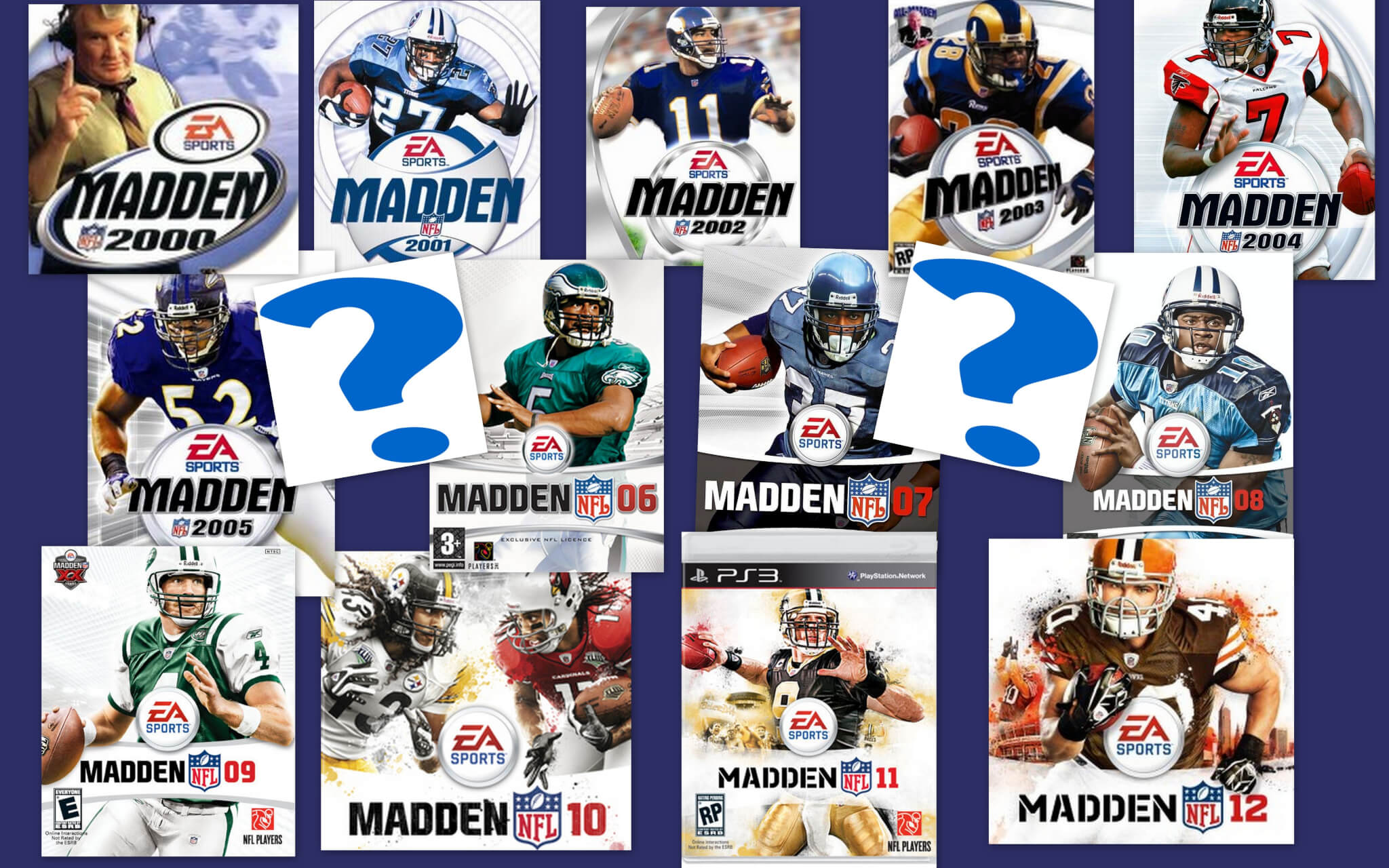
2012: Peyton Hillis, RB for the Cleveland Browns
Thanks to a pesky and persistent hamstring injury, Hillis has not seen the field in over three weeks, and most likely will not step out on the turf for awhile. His absence has left Browns struggling to survive in the AFC North.
2011: Drew Brees, QB of the New Orleans Saints
Drew had a strong season individually; yet, he and his Saints, favored going into the playoffs, were handedly taken down in the first round by the underdog Seahawks.
2010: Larry Fitzgerald (WR for Arizona Cardinals), Troy Polamolu (S for Pittsburgh Steelers)
While Fitzgerald put up staggering numbers in 2010, Polamolu struggled to stay healthy, playing only five games due to a recurring knee injury.
2009: Brett Favre, QB for New York Jets
After coming out of retirement, Favre had some early season success in New York. But ultimately, the Jets ended up folding, not even making the playoffs.
2008: Vince Young, QB for Tennessee Titans
Some off-field issues kept Young from taking his play to the next level, and he was eventually dismissed from the team a couple years after.
2007: Shaun Alexander, HB for Seattle Seahawks
A pesky foot injury forced former MVP Alexander to miss six games, and ultimately kept him from returning to his high-level of play.
2006: Donovan McNabb, QB for Philadelphia Eagles
McNabb’s rough season was characterized by a harsh fight against a sports hernia, keeping him out 7 games. This injury was then exacerbated by his feud with teammate Terrell Owens.
2005: Ray Lewis, MLB for Baltimore Ravens
A broken wrist slowed down Lewis’ rate of play in the 2005 season. This was his only season of his career to date without an interception.
2004: Atlanta Falcons quarterback Michael Vick.
Vick broke his leg in a pre-season game one day after the game was released and missed 11 games that season. He then had a few off-the-field issues in the years that followed.
2003: Marshall Faulk, RB for St. Louis Rams
Hampered by an ankle injury all season, Faulk was never able to return to his former caliber of play.
2002: Minnesota Vikings quarterback Daunte Culpepper
Culpepper struggled all season, and ultimately his season was cut short with knee surgery after 11 games.
2001: Tennessee Titans running back Eddie George
George had a great season, but fumbled at a clutch point in the playoffs, which led to the top-seeded Titans losing to the Baltimore Ravens in the first round.
2000: Detroit running back Barry Sanders
Saunders unexpectedly retired one week before training; he notified his team via fax.
The highly heralded honor of being on the Madden cover appears a bad omen for the season ahead. As seen over the past 11 years, the players on the cover have had lapses in their production upon being on the cover. This highlights the question, why? Often, players have breakout years the year prior, and the bar is set impossibly high as the players falter in their quest to reach these new goals of perfection. In addition, with stardom, these players often see increased workloads and attention from opposing teams, which then puts them at greater risk for injury. With the combination, one can perhaps conclude that the Madden curse is no longer just a curse. Rather it is a fate few professional football superstars can avoid.
Leave a Reply
You must be logged in to post a comment.