By Zachary Gross ’14 and Bill Ulrich ’14, Staff Writers
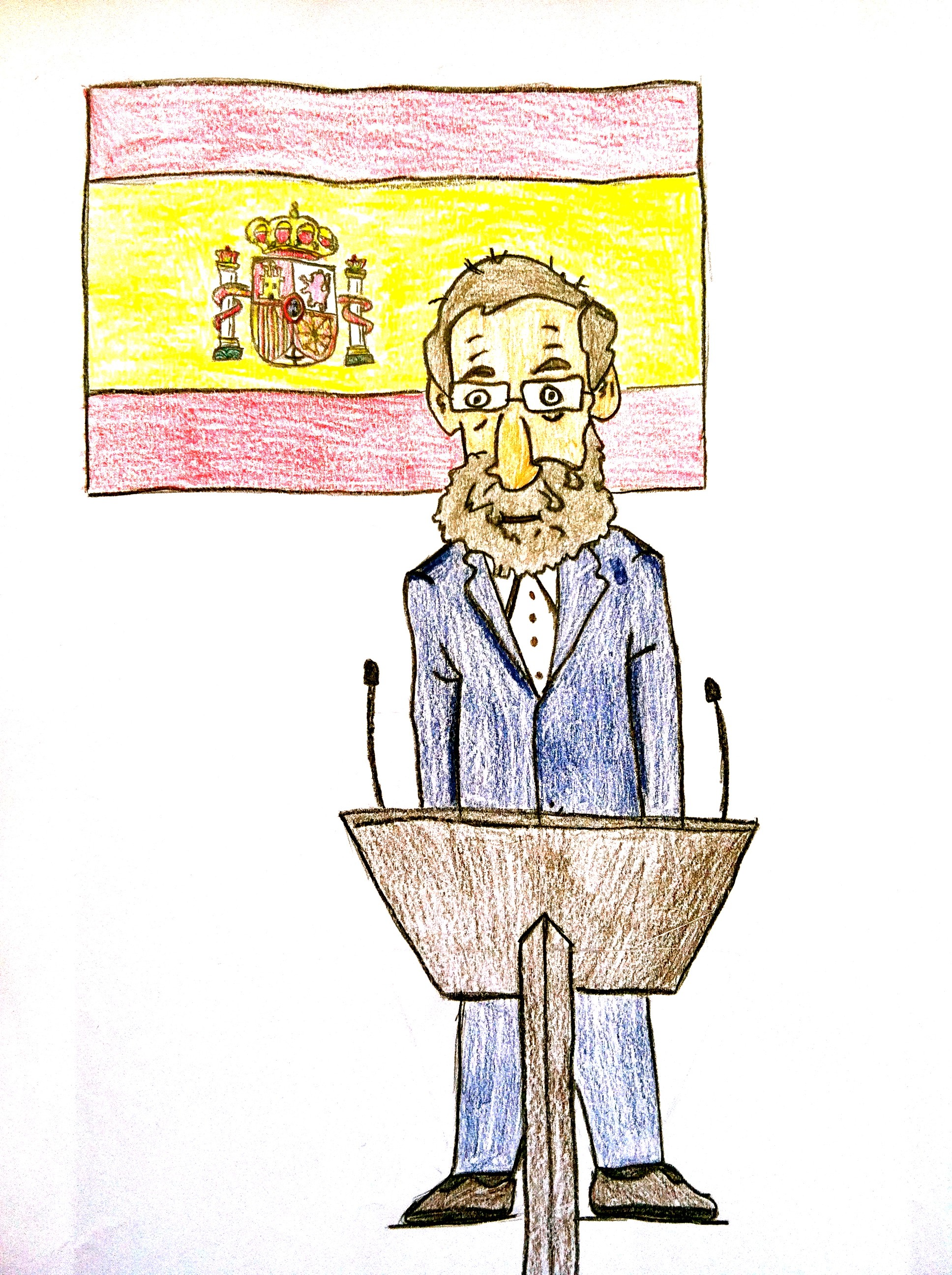
On November 21, 2011, Mariano Rajoy, the leader of the People’s Party, won the position of Prime Minister by an absolute majority in the Spanish Parliamentary Elections. This victory was a trend among other races for governmental posts, as the People’s Party won 189 seats in Parliament, an increase of 32, while the incumbent Socialist Party suffered a large setback – losing 59 seats, lowering their total to 110. Dr. Schafler, a Spanish teacher on the Newark Academy Faculty described the reasoning of the Spanish, saying, “Spaniards are not pleased with the current political party and are content with giving someone else power since they blame the Socialists for the nation’s current problems.”
José Luis Rodríguez Zapatero, the outgoing Prime Minister, has been in power since 2004. Keeping to a socialist agenda, he has made significant social changes including permitting same sex marriage and liberalizing abortion laws for all women. With the alarmingly high unemployment rate of 21 percent (40 percent for 21-26 year olds), sovereign debt issues, the Euro’s instability, and Spain’s budget deficit problem, Mr. Zapatero has faced a lot of criticism.
Zapatero became Prime Minister during an economic boom and following public discontent towards how the Conservative government handled the Madrid terrorist bombings and the Iraq War. When up for reelection again in 2008, the climate of the country was different; the eco
nomy had sputtered and unemployment was on the rise. During his most recent term, Zapatero instituted a series of austerity measures that involved spending cuts and government layoffs, which was enough to cut Spain’s deficit to 6% of its G.D.P, down from 11.1% in 2009. However, that still was not enough to assuage the concerns of investors, as interests rates continued a steady climb. The pressures mounting on Spain eventually grew to be too great for Zapatero, and he announced in April that he would not seek a third term.
The recent election was originally to be held in March of 2012 until, amidst a stark economic downturn, Zapatero announced he would step-down. After his party was crippled by significant losses during regional elections in May, paralyzing his already unpopular government, Zapatero announced that the general elections would be moved up to November.
With the fiscal future of the Eurozone uncertain, the election comes at a critical juncture that has the entire continent hanging in the balance. Though he has been criticized for being unspecific, Mr. Rajoy ran a campaign focused mostly on economics. He proposed various austerity measures to lift Spain out of a debt that has reached 65% of GDP. During the campaign, Mr. Rajoy released his platform, titled Lo que España Necesita. In it, the party detailed how, exactly, it would reform Spain. In the coming weeks, when the old Prime Minister leaves office, the question ultimately remains: how will Rajoy implement his agenda?
Mr. Rajoy’s views on economics, along with his his social views, fall in line with the rest of the People’s Party. Economically, he favors austerity. He seeks a cap on spending, public sector wage cuts, and tax cuts on businesses. On social issues, he looks upon changing the name of same sex union from marriage to civil union. Rajoy also favors parental consent from girls under the age of 16 who seek an abortion. He also favors energy subsidy cuts and persistence in nuclear energy.
Although Spain is an ocean away, it is still very connected to Newark Academy because of the Immersion Program and the several members of the faculty that have at one time lived in Spain. The Immersion Program annually sends a trip to Spain, but with the nation’s increasing unemployment and rioting, safety may become a concern. NA students have developed close ties with Spanish families by living with them for some weeks, and these students are still concerned about the well being of those families. The faculty, especially the members of the language department, have relatives in Spain and are similarly concerned about the political scene of their families’ nation.
Leave a Reply
You must be logged in to post a comment.