By Josh Faber ’12, Commentary Editor
The economy is in the trash, the unemployed have stopped looking for jobs and the government has failed to compromise on essential spending. Not so at Newark Academy. By taking a strictly capitalist-minded approach to a number of important business decisions, the school has managed to stay in business while increasing its educational utility.
Apparently, one union didn’t like that.
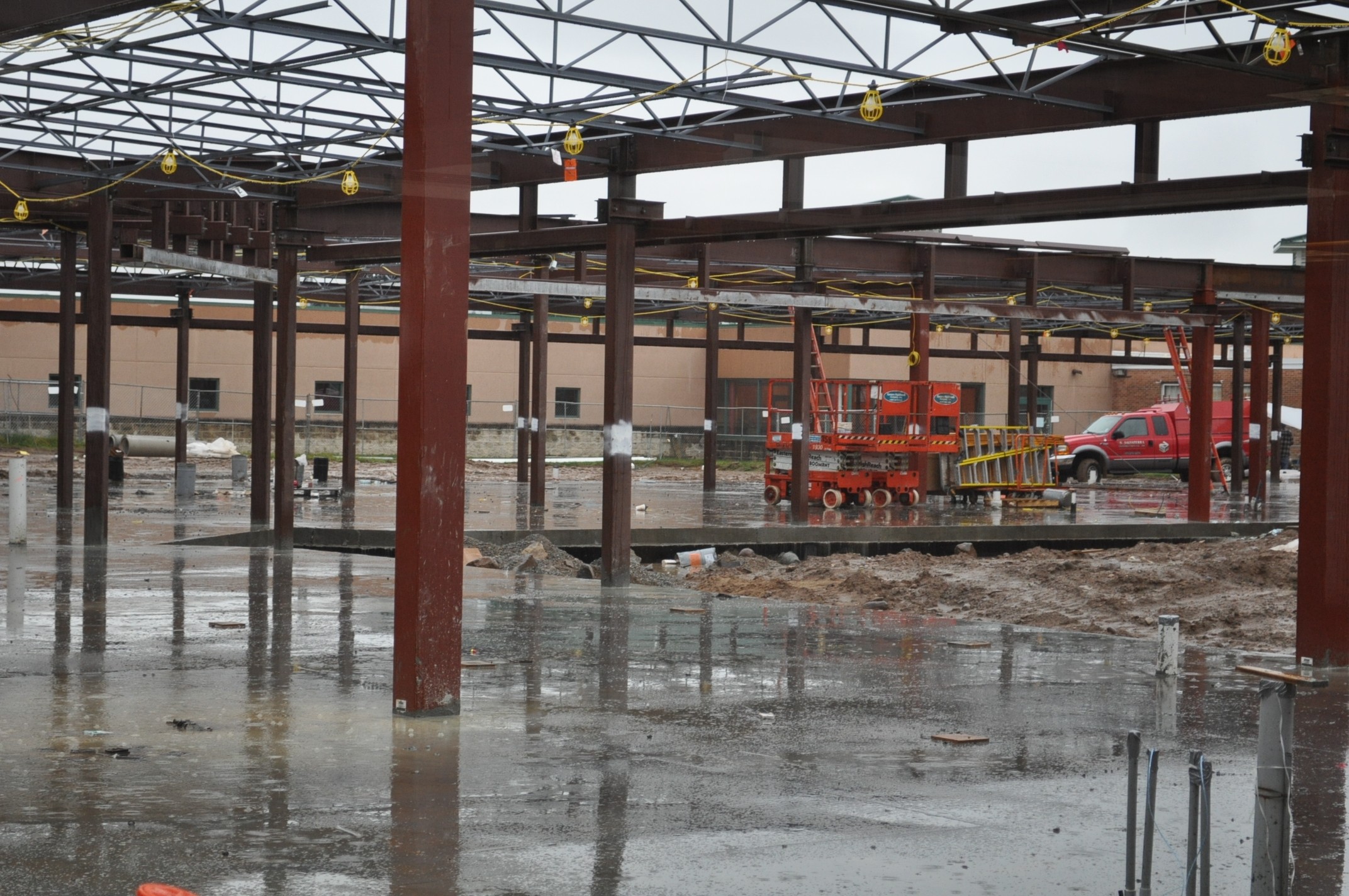
To find labor for the enormous master plan, the school invited several different contractors to place bids. The bidder with the best bang for Newark Academy’s buck was ultimately decided upon to oversee the project. Though his company relied significantly on unionized labor, the steel subcontractor only fielded non-unionized workers. As a result, union members protested in front of Newark Academy for a few days until the bad weather washed away their resolve.
Significantly more important than the nature of theworkers, however, is the manner in which they were selected. According to Sam Goldfischer, director of business and finance, Newark Academy did not care about union affiliation as long as the workers completed the job on budget and without cutting corners. In this manner, The Academy chose the most prudent and efficient option accessible to them and for that it should be praised.
But Newark Academy’s fiscal responsibility does not stop there. “Everything we provide is competitively determined,” said Mr. Goldfischer. From technology to a laundry list of insurance policies, Newark Academy embodies the ideally informed consumer.
It is true, tuition has increased over the years at an annual rate of roughly 5%, but even that change is tactical. Mr. Goldfischer suggested that a private school education is somewhat of a “Veblen Good.” That is, as the costs of Newark Academy increase, people perceive The Academy as somewhat better than others in the area. Of course, conspicuous consumption must be balanced by affordability. As a result, financial aid totals 12% of gross tuition.
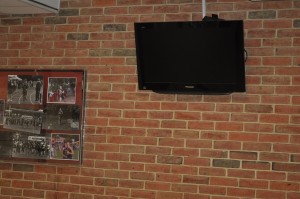
Granted, Newark Academy occasionally makes blunders like the entirely unnecessary television sets unstrategically placed throughout the building– but, overall, well-informed investments have greatly improved our school. We should count ourselves lucky that, at a time of such economic instability, Newark Academy’s fiscal house is in good hands.
Leave a Reply
You must be logged in to post a comment.