By Siddarth Kannan ’14 and Zach Epstein ’14, Staff Writers
Current Sophomores, Juniors, and Seniors may remember that in 2007, they were asked to assess the strengths and weaknesses of the Academy by way of an online survey to begin the research for the Academy’s Campus Master Plan. Student voice proposals have been around as long as current students can remember, and they provide a medium through which students can make recommendations to change any number of things about the Academy. Many committees dedicated to the improvement of the school have student members sitting on them. Such committees include the Curriculum Committee, the past Upper School Design Committee for the Upper School Academic Center, opening later this year, and the committee charged with selecting the new Athletic Director which gathered on many occasions this past fall. The recent online JAM for the upcoming strategic plan was quite successful, including not only alumni and parent participants, but Juniors and Seniors as well. As Mr. Austin explained, “the student perspective is very important, because at the end of the day, the school is made for the students.” This viewpoint is can be heard through a new medium through which students may voice their ideas: open forum department meetings. Every department held one of these meetings, where students were able to attend and voice any curriculum specific ideas.
While each department holding a meeting for students to propose curricular ideas, success varied greatly from department to department. For instance, the Science forum had a largely successful with a respectable turnout. This department meeting proved to set a standard to which less successful forums should aspire to match. Three students and the Science Department faculty debated the implementation of an Advanced Physics course to be taken as a third year of Physics. The discussion was
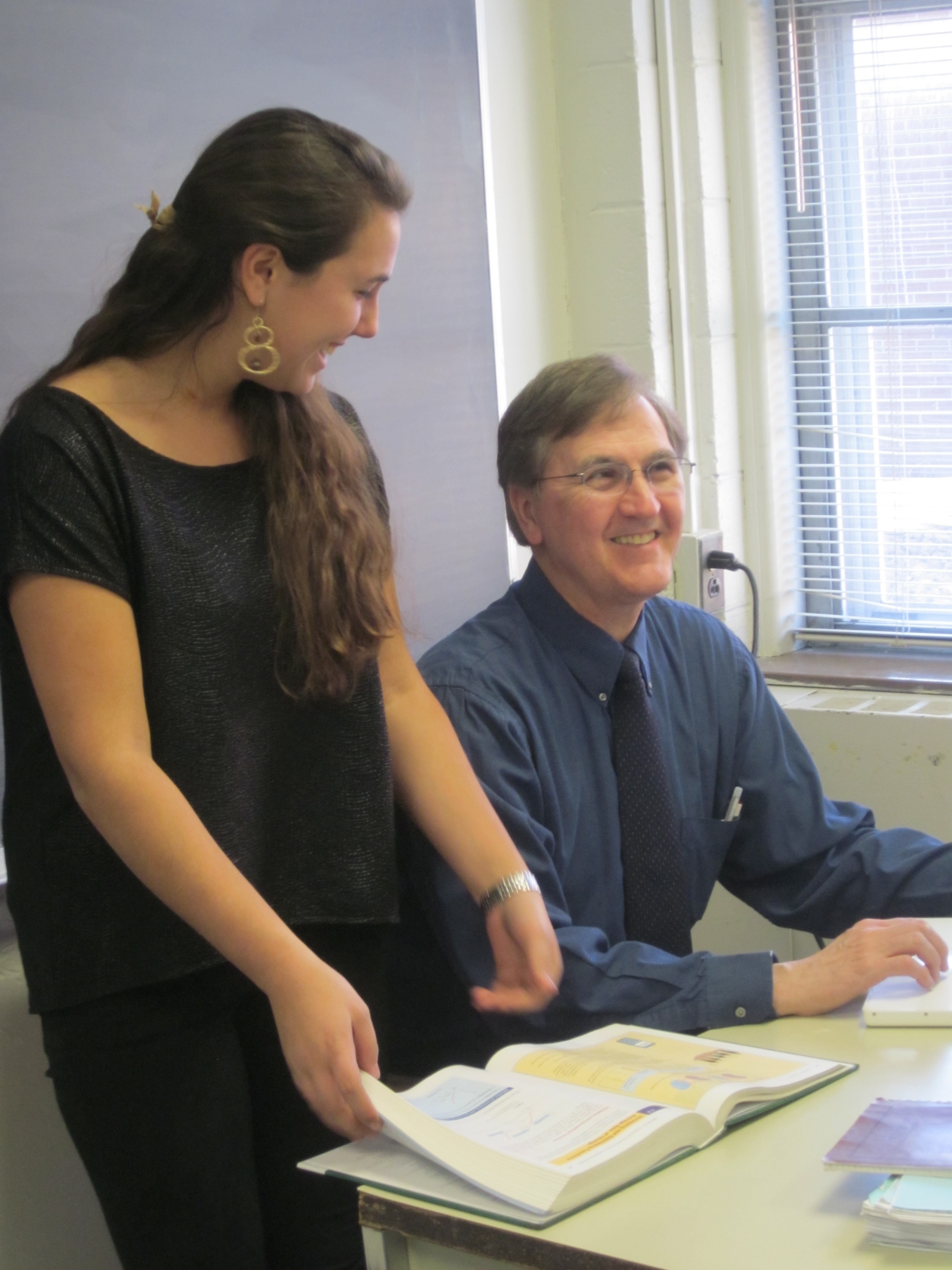
multifaceted, and included topics such as the incorporation of “AP” into the name of the course and how it would affect the freedom of the curriculum. It was clear that the voices of the students were equally as important as the opinions of the faculty members. All faculty members were very knowledgeable and insightful, and presented their comments in a very positive atmosphere. On the other hand, other forums did not see the level of success as the science meeting did. For instance, the Language department forums had only one student in attendance only to observe the discussion while the English Department heard only one student request to create more unified writing standards across all class levels and all department members. Faculty continued as if the forums were just normal department meetings without students in attendance for the whole time to move along discussion. The Humanities forum was moderately successful; two students attended to present their proposals. One student proposed the incorporation of more current events into the Humanities curriculum at all course levels, which seemed to be generally well accepted. All faculty members added their insight to complement the student-driven conversation, once again creating a very positive atmosphere. The other student suggested that Ancient World should be more focused on preparing students for the transition to the difficulty level of AP US History. Faculty pointed out that the development of core skills should be stressed over the earning of grades, but the proposal was definitely taken into consideration and received positively.
While some forums were successful, it is clear that there is a problem with student interest. Students already have a useful medium for curriculum specific suggestions in course evaluations and most likely didn’t see the difference between these two opportunities. If more students had shared curricular ideas, there would be more room for thoughtful debate, with the Science Department forum as an example. As Humanities department head Mr. Vinikoor expressed, “I only wish that more students had come to share their ideas.” He also made the school’s respect of student opinions very clear when he said, “It is the responsibility of the Humanities department to consider student proposals.” Another clear issue is the availability of the students when the department meetings are held. Some were held during fourth period, when a large amount of older students are still in class. The outreach of forums can be addressed by making sure everyone (or at least a significant majority) of the student body is free and able to attend the meetings if they choose to. Lastly, the lack of publicity for these forums proved detrimental to their success. Only recognizing these meetings with a brief, one-time morning meeting announcement several days before the forum is not enough to attract a majority of the student body. In order for a higher attendance in each meeting, departments have to work to publicize their meeting and entice students to want to attend and give their opinions and ideas. Some ways to do this may be to have teachers encourage students in their classes to attend, or maybe even incentivize the attendance of department forums. Although this may be difficult, it is pivotal in the success of these forums in the years to come.
Leave a Reply
You must be logged in to post a comment.