By Ava Cole ‘22, Staff Writer
The state of California is mainly known for its sunny weather, nice beaches, and its abundance of movie stars. But since the summer of 2018, California’s reputation began to stray from all the glitz and glamour. Starting around August, deadly forest fires took over the golden state. California is no stranger to forest fires due to its dry season and high winds, but 2018 has been the most destructive year yet, with a total of 7,421 wildfires and 1,665,746 acres of destroyed land. There are 88 casualties as of November 23rd; the number is growing everyday. Many hoped that the severity and amount of forest fires were just an abnormality, and that the state of California would soon overcome this tragedy. Unfortunately, studies show that these kinds of wildfires are going to become the new norm.
While only recently have people around the nation begun to notice to the sudden ferocity of the California wildfires, firefighters in the state have been fighting these fires for quite some time. One California firefighter, Gabriel Lauderdale, has been fighting fires for ten years. When he first started as a firefighter, big forest fires would only happen once every couple of years, sometimes even longer. “Now, it doesn’t just happen every year, it happens multiple times every year,” says Lauderdale. Experts say the wildfires can only get worse from here. But what exactly is causing these monstrous forest fires?
Climate change is just one factor contributing to the sudden intensity of wildfires. California has always had dry, hot summers, but this year’s heat waves have been hotter and more frequent than usual. In July of 2018 there were two heat waves only two weeks apart. With a global rise in temperatures, California’s situation has gone from bad to worse. Even a two to three degree temperature change can mean all the difference between a relatively mild wildfire and a fire that can kill tens of people. The constantly hot weather has also produced dry grass and vegetation, dead trees, and dead shrubs, which help spread fires at an alarming rate.
Although climate change creates the ideal environment for wildfires to occur, there needs to be a trigger to actually ignite the fire. It is said that power lines are one of the top three causes of wildfires in California. Strong winds can knock them down onto dry brush, setting the brush ablaze. A study from the LA Times in 2015 showed that problems with electrical line were the cause of 149,241 acres of land burning, the most in that particular year, and have caused four of the twenty largest California wildfires. In addition to high winds, power lines can break due to falling trees or unnoticed equipment failure. It is clearly much safer to install power lines underground, and California already has underground power lines in places such as San Francisco, Anaheim, and new developments, it is five to ten times more expensive, costing about 1 million dollars per mile. Furthermore, whenever there is a power outage it takes more time to repair. With underground power lines unlikely to become commonplace, the people of California have to learn to adapt to the new reality.
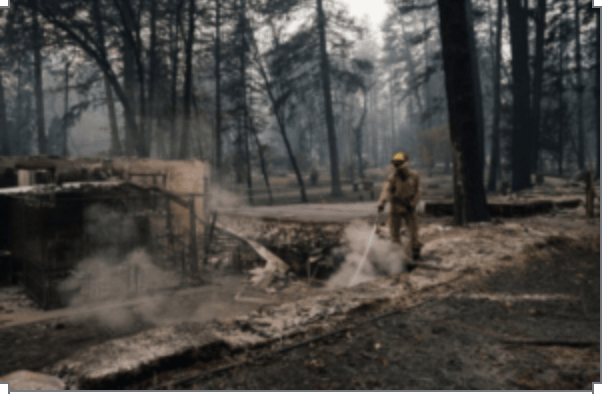
There seems to be no end of wildfires in sight. Climate change, high winds, dry conditions, and thousands of miles of power lines will continue to fuel blazes. During the Camp Fire in Paradise, California on November 8, 2018, authorities did not initiate an evacuation until the fire had already reached the town, and there was no full-scale evacuation put in place. That blaze consumed Paradise, almost making the community look “apocalyptic.” However, California is looking to change their procedure when wildfires occur, such as sending out an Amber (or AMBER) alert far in advance to give people enough time to escape. With a scary future in front of them, all the state of California can do is prepare to the best of their abilities.
Leave a Reply
You must be logged in to post a comment.